Commercial Construction: What You Need to Know
If you’re thinking about a commercial build, you probably have a lot of questions. What makes a project ‘commercial’? How do the costs differ from a house? Which materials keep the building safe? This guide breaks down the essentials in plain English so you can move forward with confidence.
What makes a building commercial?
A building is tagged as commercial when its main purpose is to support business activities – offices, shops, warehouses, schools, clinics, you name it. The key signs are the zoning label, the building code it must follow, and the way the space is used day‑to‑day. Unlike a home, a commercial property often needs bigger floor plates, higher load capacities and more fire‑safety features.
Choosing the right construction type
Commercial projects fall into a few common construction families. Type A uses non‑combustible materials and is the most fire‑resistant – think high‑rise office towers. Type B mixes non‑combustible and some combustible parts, suitable for mid‑rise buildings. Type C and Type 5 lean on wood or light‑frame methods, ideal for smaller shops or warehouses. Picking the right type affects cost, schedule and long‑term maintenance.
Fire safety is a big driver in the decision. Materials like steel and concrete hold up better under heat, while wood frames need extra treatment and fire‑rating approvals. If you’re building a grocery store or a school, the fire‑resistant options are usually required by law. Knowing the local fire code early saves you from redesigns later.
Cost differences are stark. A Type A project can cost double a Type 5 build because of the materials and the engineering work needed. However, the higher upfront spend often means lower insurance and fewer repairs down the road. Budget planners should factor in not just the material price but also the long‑term operational costs.
Don’t forget the garage doors. In a commercial setting they’re more than just an entry point – they affect security, energy loss and even fire spread. Choosing a door with proper insulation and fire rating can cut utility bills and keep the building safer. A reputable garage‑door installer can advise on the right size, material and automated system for your needs.
Common mistakes include skipping the zoning check, under‑estimating the load capacity for equipment, and ignoring the fire‑rating requirements for doors and walls. A cheap shortcut on the door frame can lead to costly repairs or a failed inspection. Always verify that every component meets the local building regulations.
Getting professional help early can make the process smoother. A construction consultant will map out the right type, run cost simulations and flag any code issues before you break ground. Pair that with a specialist garage‑door service, and you’ll have both the structure and the entry points covered.
Bottom line: commercial construction is a blend of purpose, code, material choice and budget. Start with a clear picture of how the space will be used, pick the construction type that matches that use, and don’t overlook the doors that protect it. With the right plan and the right experts, your project can stay on schedule, on budget, and safe for years to come.

Commercial vs Non-Commercial Construction: Key Differences Explained
Jul 12, 2026, Posted by Damon Blackwood
Understand the key differences between commercial and non-commercial construction, including building codes, zoning laws, and safety standards.
MORE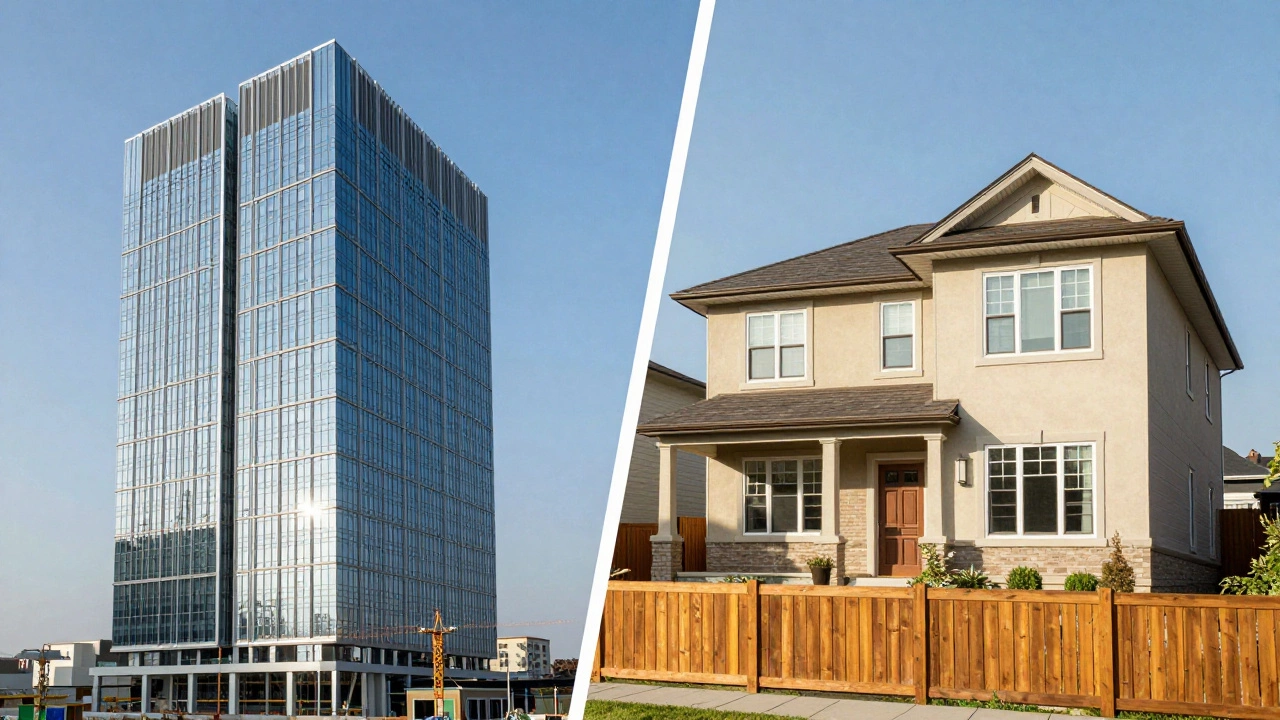
Is Construction Commercial or Non-Commercial? The Simple Breakdown
Jul 9, 2026, Posted by Damon Blackwood
Confused about whether your project is commercial or non-commercial? Learn the key differences in codes, costs, and contractors to avoid costly mistakes.
MORE
What is a Commercial Building? Types, Codes & Construction Guide
Jul 5, 2026, Posted by Damon Blackwood
Discover what defines a commercial building, from offices to warehouses. Learn about construction differences, zoning laws, safety codes, and cost factors essential for developers and investors.
MORE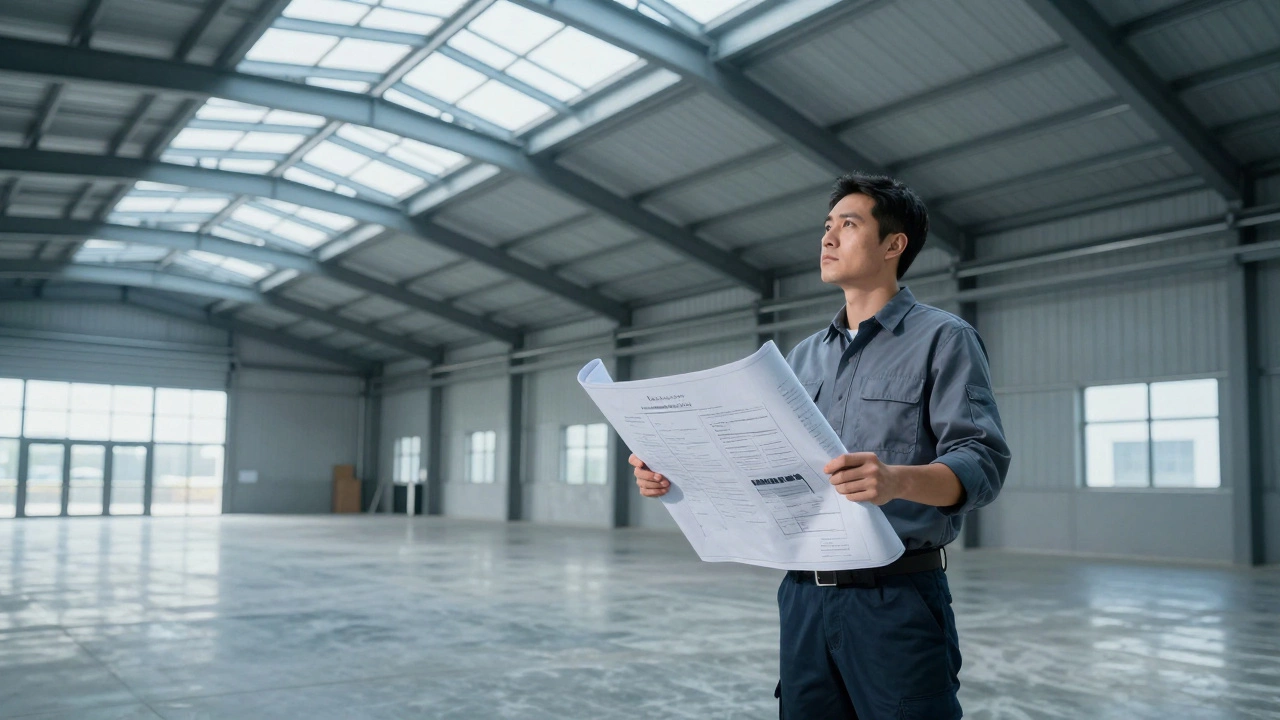
What Is the Federal Definition of Commercial Construction? A Guide for Contractors
Jun 25, 2026, Posted by Damon Blackwood
Understand the federal definition of commercial construction. Learn how NAICS codes, IRS rules, and HUD guidelines classify properties for contractors and investors.
MORE
Commercial vs Residential Construction: Key Differences Explained
Jun 14, 2026, Posted by Damon Blackwood
Discover the key differences between commercial and residential construction, from materials and timelines to regulations and costs. Essential insights for investors and developers.
MORE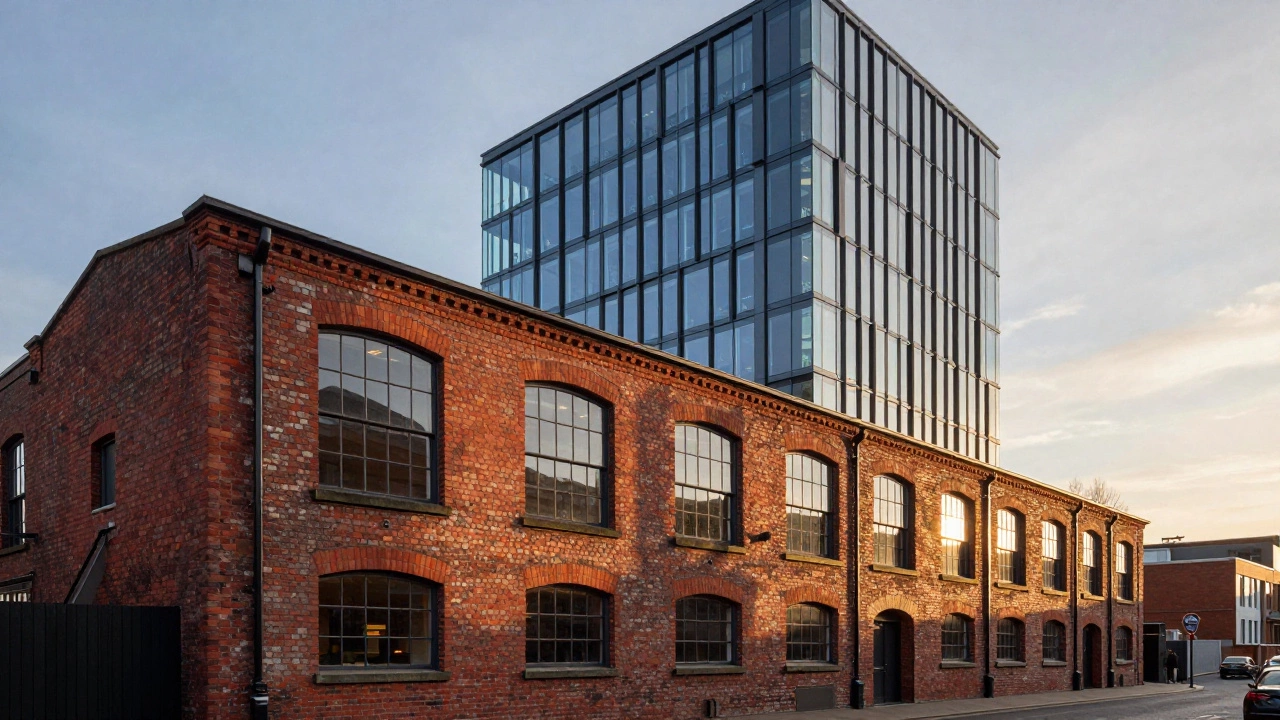
Can You Have Two Construction Types in One Building? A Guide to Mixed-Use and Hybrid Structures
May 28, 2026, Posted by Damon Blackwood
Can you mix construction types in one building? Yes, but it requires strict fire separation and engineering. Learn about mixed-use rules, adaptive reuse, and safety codes.
MORE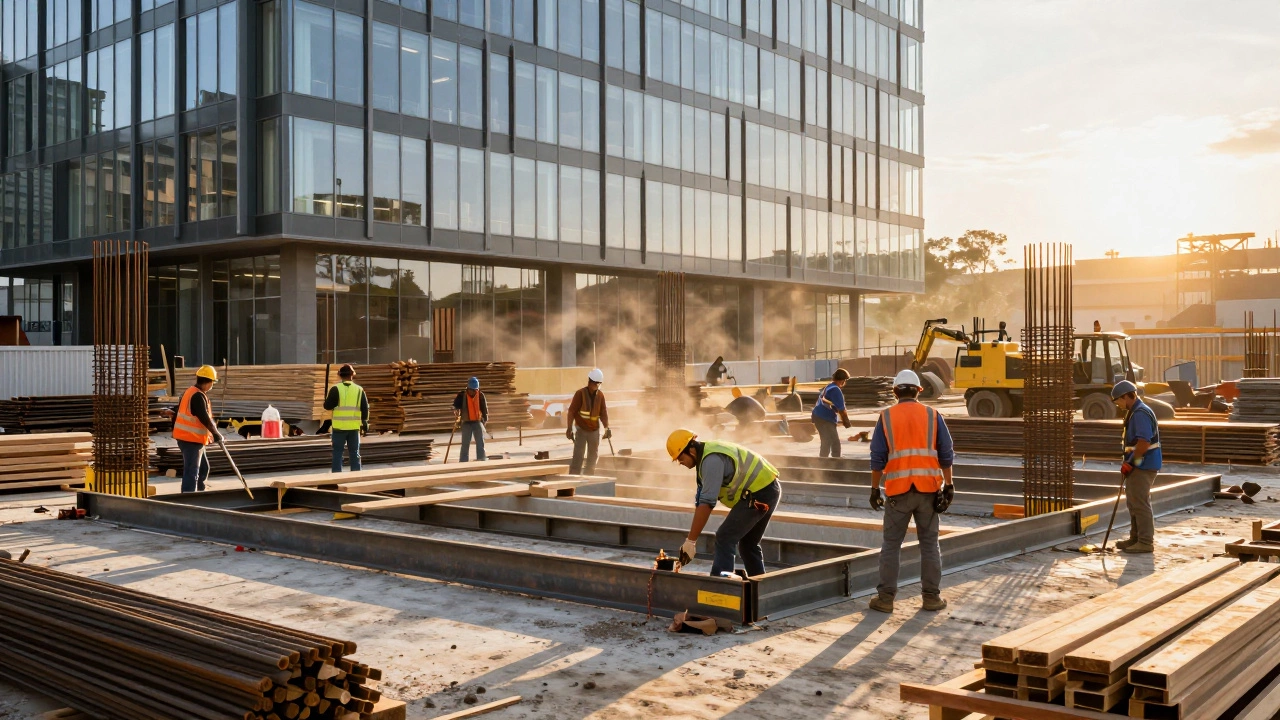
What is Covered Under Commercial Construction? A Complete Guide to Scope and Costs
May 24, 2026, Posted by Damon Blackwood
Discover exactly what is covered under commercial construction contracts, including labor, materials, permits, and insurance. Learn how to avoid hidden costs and manage change orders effectively.
MORE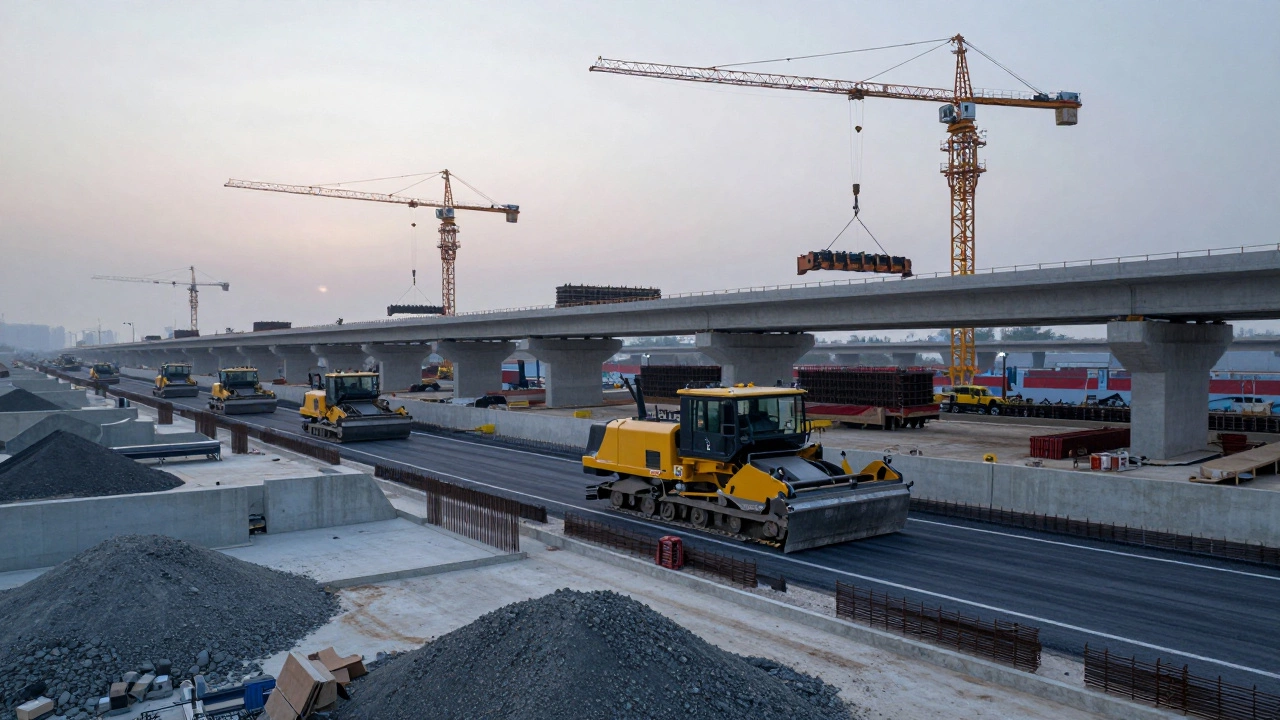
Civil vs Commercial Construction: Key Differences, Examples & When to Use Which
May 7, 2026, Posted by Damon Blackwood
Discover the key differences between civil and commercial construction, including project types, funding sources, and regulatory requirements. Learn which contractor type fits your project needs.
MORE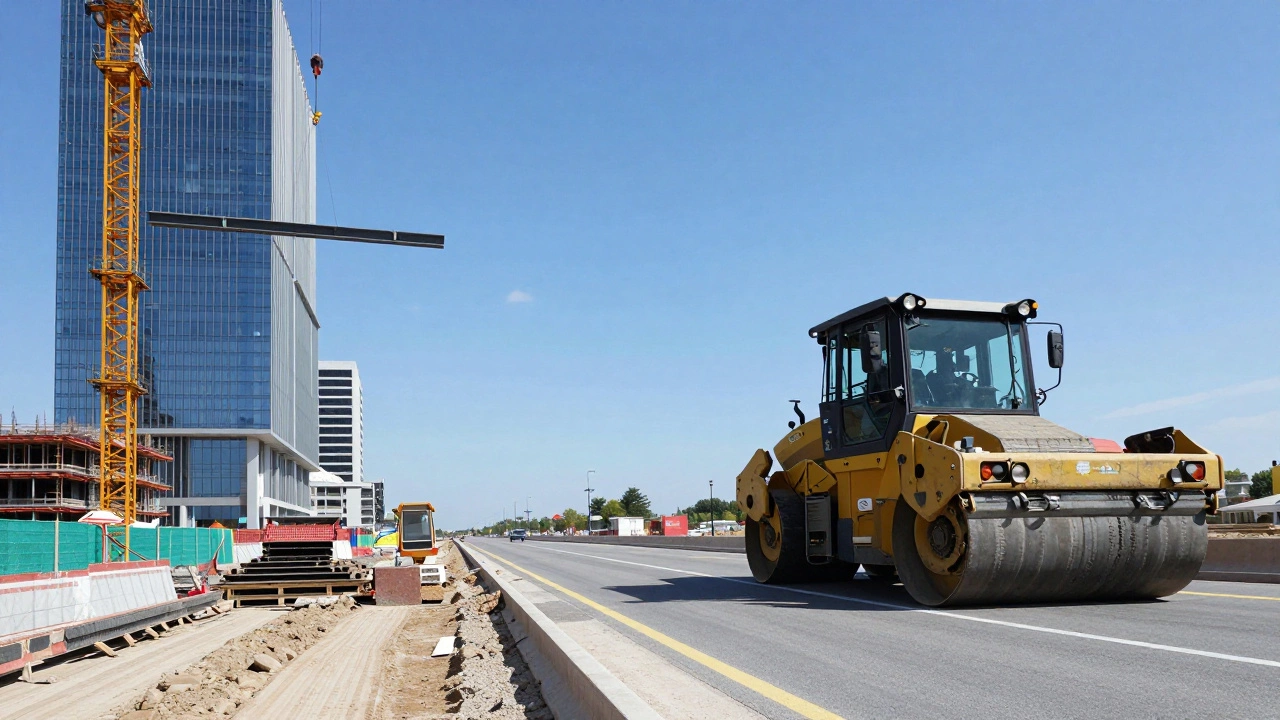
Civil vs. Commercial Construction: Key Differences and Overlaps
Apr 30, 2026, Posted by Damon Blackwood
Discover the key differences between civil and commercial construction. Learn about infrastructure vs. buildings, funding models, and how they overlap in real projects.
MORE
What Exactly Qualifies as a Commercial Building?
Apr 13, 2026, Posted by Damon Blackwood
Ever wonder what actually makes a building "commercial"? Explore the key differences in zoning, safety codes, and ownership that separate business spaces from homes.
MORE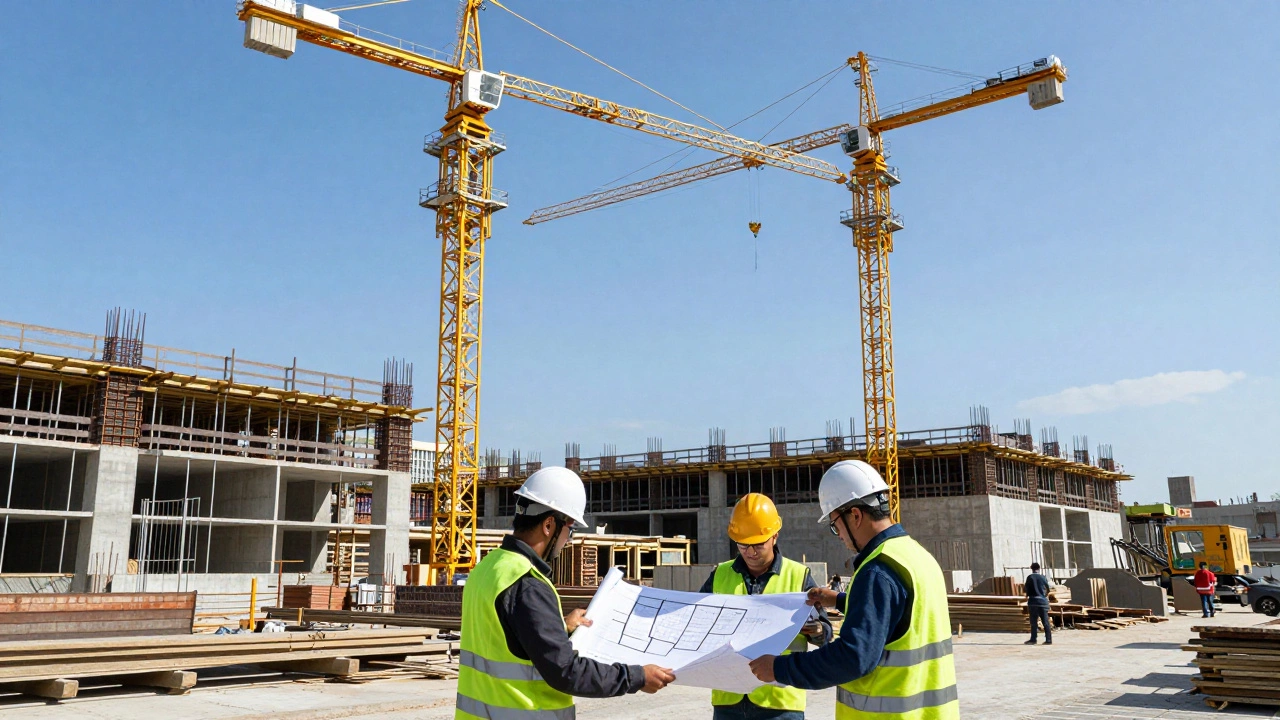
What is a Commercial Project? A Guide to Commercial Construction
Apr 9, 2026, Posted by Damon Blackwood
Wondering what a commercial project actually is? Learn the difference between residential and commercial construction, including zoning, codes, and key examples.
MORE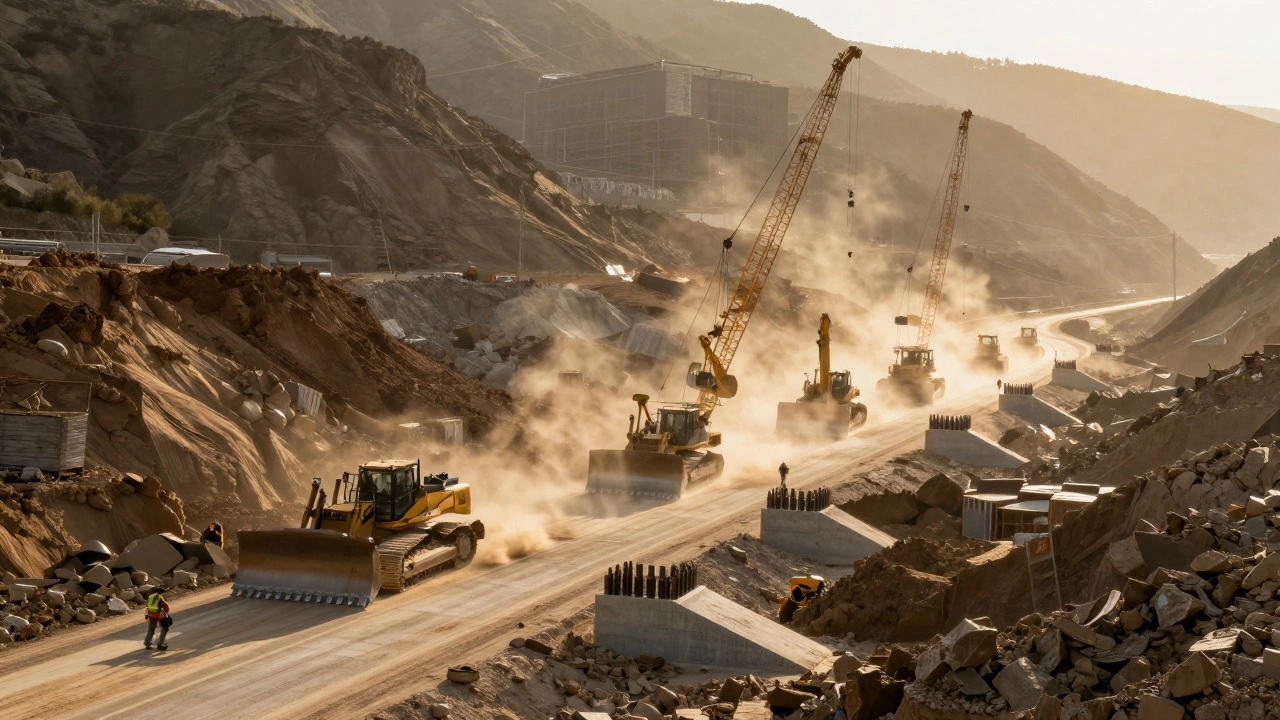
What Is Considered Heavy Civil Construction?
Mar 1, 2026, Posted by Damon Blackwood
Heavy civil construction refers to large-scale public infrastructure projects like highways, dams, bridges, and water systems. Unlike commercial buildings, these projects serve entire regions and require specialized engineering, funding, and equipment.
MORESEARCH HERE
Categories
TAGS
- foundation repair
- commercial construction
- new builds
- construction
- building codes
- home improvement
- home renovation
- bathroom renovation
- construction materials
- residential construction
- building materials
- structural damage
- construction types
- home foundation
- building types
- construction differences
- renovation tips
- structural integrity
- foundation cracks
- architectural services