Home Construction Cost & Value Estimator
Quick Takeaways for Budget Builders
- Modular and Prefab: Generally the fastest and most cost-effective for standard layouts.
- SIPs: Higher upfront material cost, but massive savings on energy and labor.
- Steel Framing: More durable than wood and can be cheaper in specific markets due to speed.
- ICF: A long-term winner for energy bills, though slower to install.
Modular and Prefabricated Construction
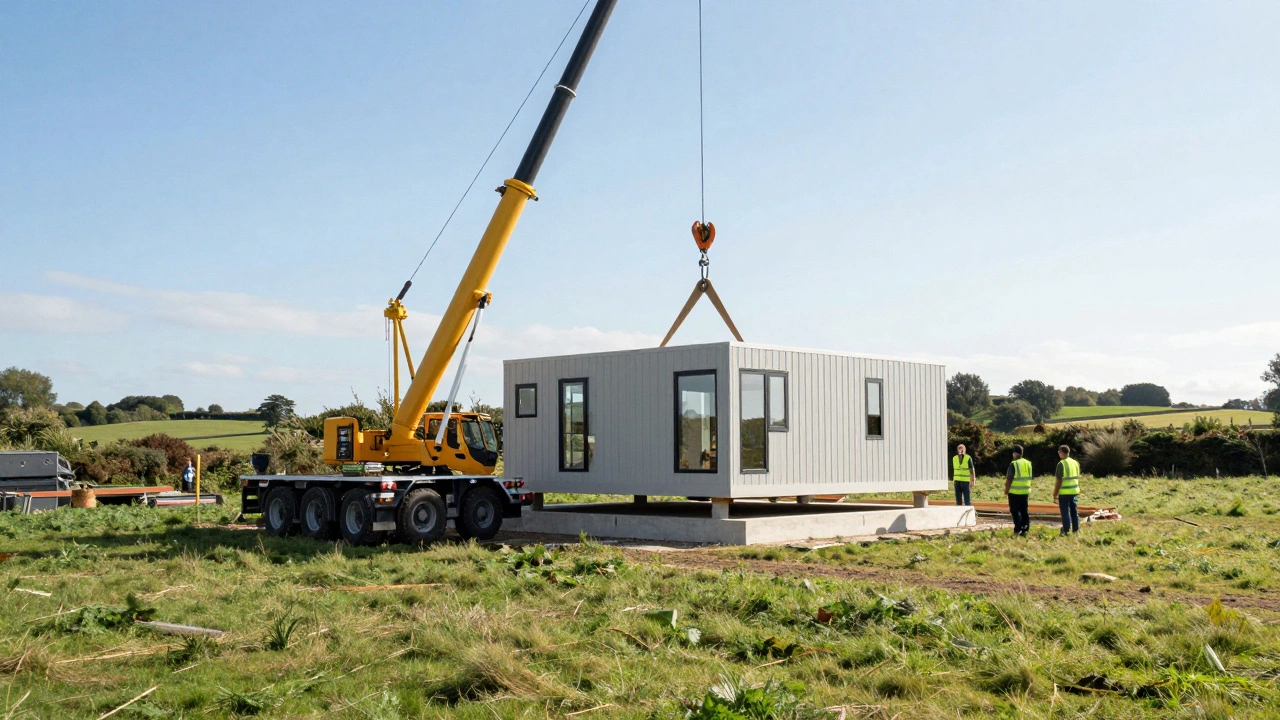
If you want the absolute lowest price point, Modular Homes is houses built in sections in a factory and transported to the site for assembly. Unlike a mobile home, these are built to the same local building codes as a site-built home. Why are they cheaper? Because they leverage the efficiency of an assembly line. A factory can buy lumber and drywall in massive bulk, and workers aren't fighting the weather or waiting for a concrete pour to dry.
Think of it like a car. You wouldn't build a car in your driveway; you buy one from a factory. Modular building applies that logic to housing. You can often save 10% to 20% on the total build cost because the project timeline is slashed. Instead of six months of noisy construction, your house might be "set" in two days, leaving only the finishing touches for the crew.
The Efficiency of SIPs and Panelization
For those who want more customization than a modular box but don't have a blank check, SIPs (Structural Insulated Panels) provide a high-performance alternative. SIPs consist of an insulating foam core sandwiched between two layers of structural board, usually OSB. They basically act as the wall, insulation, and sheathing all in one piece.
When you use SIPs, you're essentially building with giant Lego blocks. A crew can put up the entire shell of a house in a fraction of the time it takes to frame a house with 2x4s. While the panels themselves cost more than raw lumber, you save a fortune on labor. You also eliminate the need for separate fiberglass insulation and vapor barriers. In a real-world scenario, a builder in a cold climate might find that SIPs pay for themselves within five years through drastically lower heating bills.
Comparing the Most Affordable Methods
Choosing a method depends on whether you care more about the initial check you write or the monthly cost of living in the house. Some methods are "cheap to build" but "expensive to run," while others are the opposite.
| Method | Upfront Cost | Build Speed | Energy Efficiency | Customization |
|---|---|---|---|---|
| Modular | Low | Very Fast | Moderate | Low/Medium |
| SIPs | Medium | Fast | High | Medium |
| Traditional Stick | Medium | Slow | Low/Medium | High |
| ICF | High | Medium | Very High | Medium |
Steel Framing: The Modern Alternative
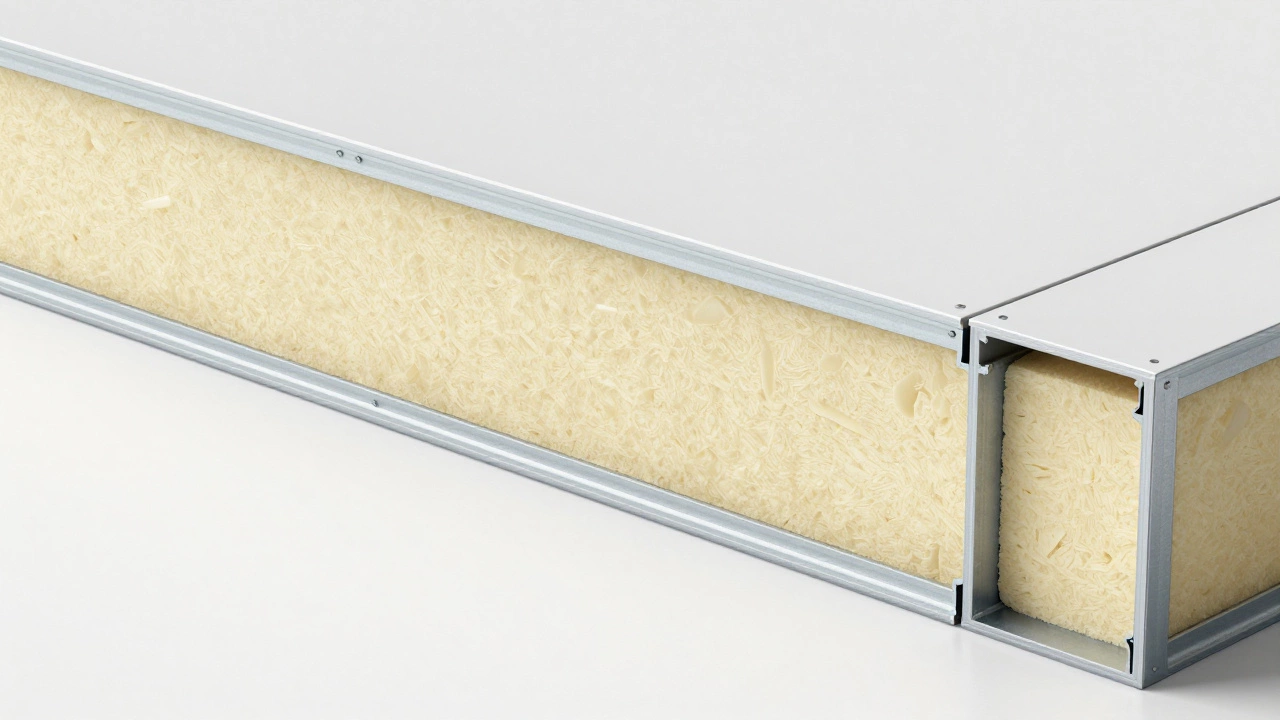
While wood is the traditional choice, Light Gauge Steel Framing is becoming a powerhouse for budget builds. Steel framing uses cold-formed steel C-sections to create the skeleton of the house. It is virtually immune to termites, doesn't warp, and isn't flammable. In regions where lumber prices spike due to shortages, steel often becomes the more predictable financial choice.
Steel is also incredibly precise. Because the components are engineered to the millimeter, there is almost zero waste on site. You don't have a pile of scrap wood at the end of the job. For a developer building five homes at once, steel is often cheaper because the predictability reduces the risk of costly mistakes.
ICF: Investing in the Long Game
If you have a bit more cash upfront, ICF (Insulated Concrete Forms) is a method that feels expensive but saves you from future poverty. ICF uses interlocking polystyrene blocks that are filled with reinforced concrete. It's essentially building a concrete bunker that is then wrapped in a thermal blanket.
Is it the cheapest to build? No. Is it the cheapest to own? Absolutely. An ICF home is nearly airtight, meaning your HVAC system doesn't have to work nearly as hard. If you're building in a place with extreme temperature swings, the energy savings can be 50% or more compared to a traditional home. It's a strategic move: you spend 5% more now to save thousands every year for the next thirty years.
How to Actually Lower the Cost of Any Build
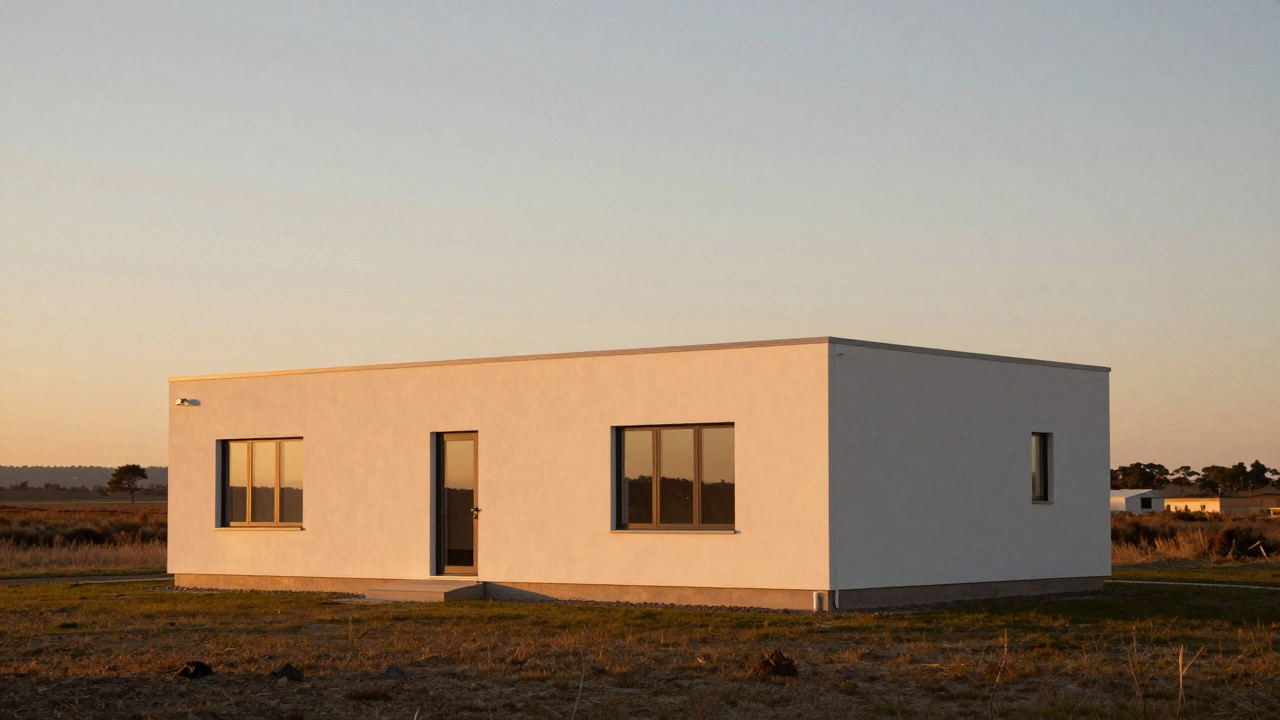
Regardless of whether you choose modular or stick-built, the cheapest building method is often the one that simplifies the design. Complex rooflines, bump-outs, and custom-sized windows are where budgets go to die. To keep costs down, follow the rule of the rectangle. A simple rectangular footprint is the most efficient use of materials and the fastest for any crew to build.
Another pro tip is to prioritize "standard sizes." If you buy a window that is a standard 36x48 inch, it's off the shelf and cheap. If you ask for a 37x49 inch window, you're paying for a custom order and waiting weeks for delivery. Every time you deviate from the industry standard, you add a premium to your bill.
Common Pitfalls to Avoid
- The "Cheap" Contractor: Hiring the lowest bidder who lacks a track record often leads to "change orders." You'll find out mid-build that they forgot the plumbing, and suddenly your "cheap" house is 30% over budget.
- Ignoring Site Prep: People focus on the walls, but the land can ruin a budget. If you build on a slope or in a swampy area, the foundation costs will swallow the savings you made on the building method.
- Over-Customizing: Every time you say "I wonder if we can do this," you're adding a line item to the invoice. Stick to a proven plan.
Is modular cheaper than a traditional build?
Generally, yes. Modular homes are cheaper because they are built in controlled factory environments, reducing labor costs and material waste. You can typically save between 10% and 20% on the overall cost, especially in areas where onsite labor is expensive.
Are SIPs worth the extra cost?
Yes, if you consider the total cost of ownership. While the panels cost more than raw wood, they dramatically reduce construction time and energy bills. In many cases, the labor savings during the build phase offset the higher material cost.
What is the most affordable material for a house?
Wood remains the most accessible and common, but the most affordable "system" is usually prefabricated modular construction. If looking strictly at materials, light gauge steel can be more cost-effective in markets where lumber prices are volatile.
Can I build a tiny home to save money?
Yes, reducing the square footage is the most direct way to cut costs. However, the cost per square foot can actually be higher for tiny homes because you're packing expensive amenities (kitchen, bath) into a very small space.
Does ICF increase the home's resale value?
Usually, yes. Buyers are increasingly interested in energy-efficient and durable homes. Highlighting the lower utility bills and the superior storm resistance of ICF can make a home more attractive than a traditional stick-built house.
Next Steps for Your Build
If you're just starting out, don't pick a method yet. First, get your land surveyed to see what kind of foundation you'll need. Once you know the ground you're working with, compare a few local modular providers against a traditional builder using a simple rectangular plan. If you're in a high-wind or high-heat area, bring in a specialist to quote you on SIPs or ICF to see if the long-term energy savings outweigh the initial cost.
Author
Damon Blackwood
I'm a seasoned consultant in the services industry, focusing primarily on project management and operational efficiency. I have a passion for writing about construction trends, exploring innovative techniques, and the impact of technology on traditional building practices. My work involves collaborating with construction firms to optimize their operations, ensuring they meet the industry's evolving demands. Through my writing, I aim to educate and inspire professionals in the construction field, sharing valuable insights and practical advice to enhance their projects.