Civil vs. Commercial Construction Project Analyzer
Project Attributes
Project Classification
Analysis:
Your selections indicate this is primarily a...
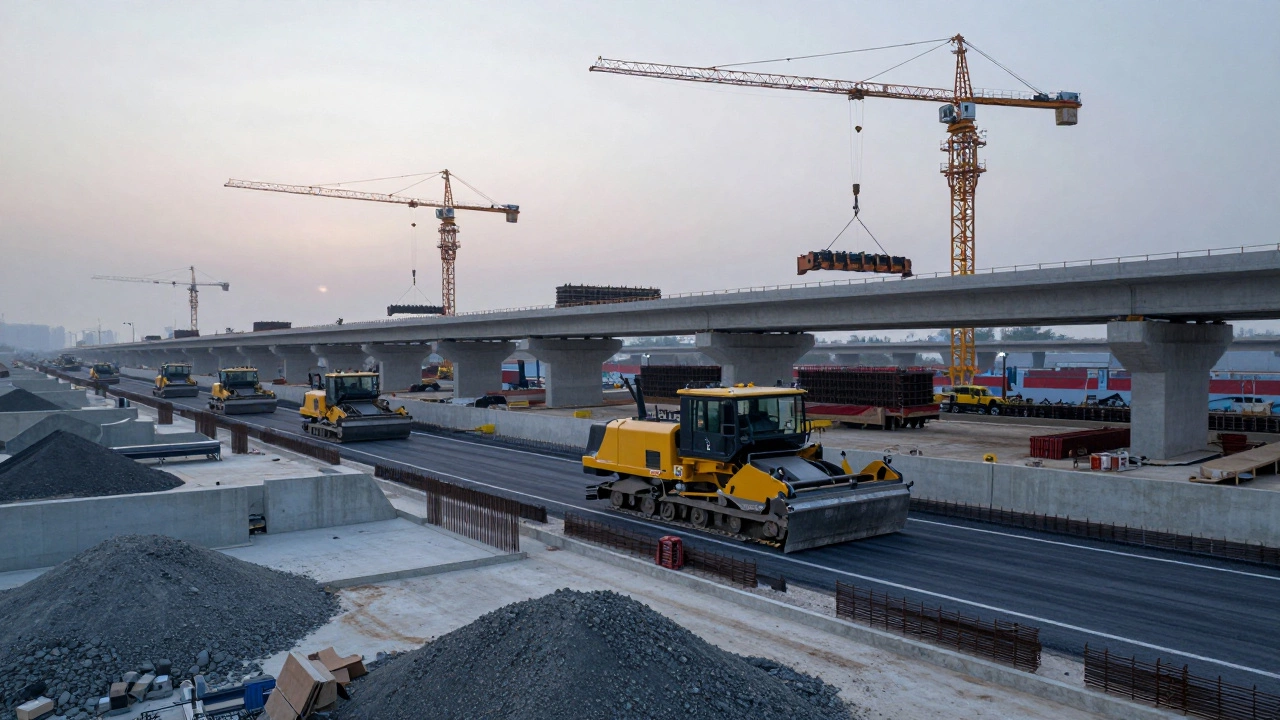
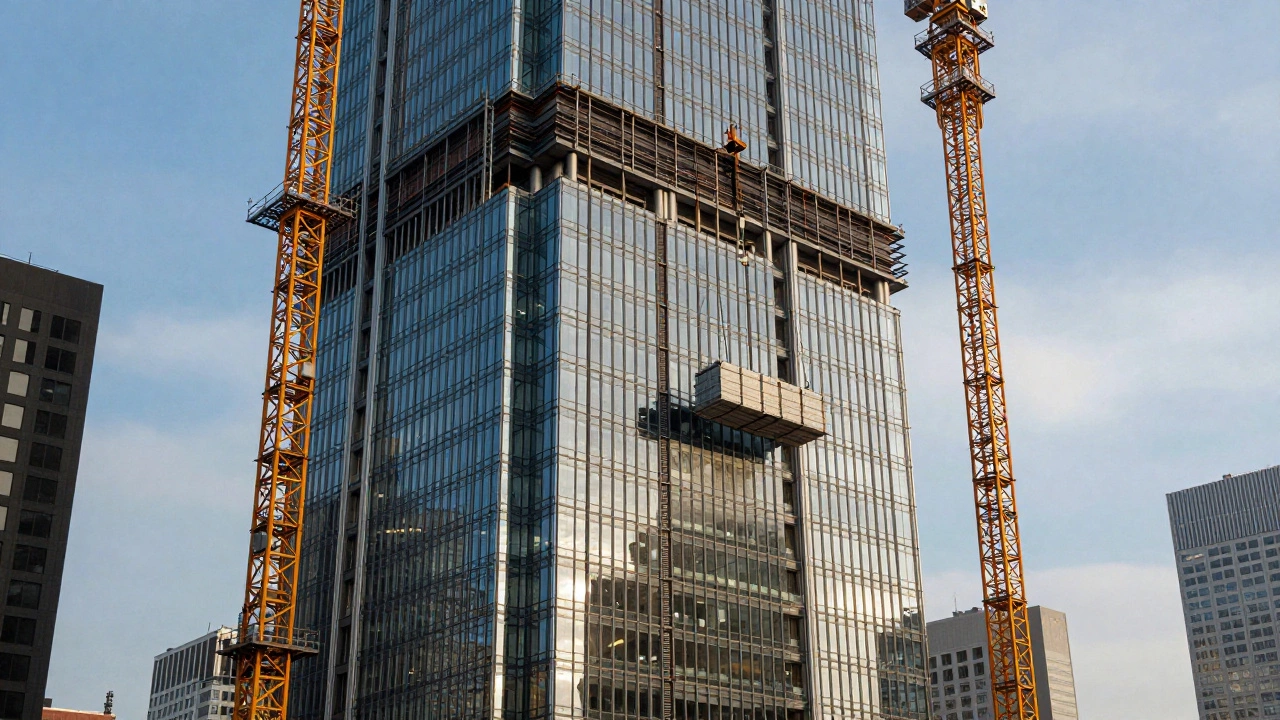
You’re looking at a massive concrete pour on a highway and wondering if it’s the same thing as the glass skyscraper going up in your city center. Spoiler alert: they are not. While both involve heavy machinery, hard hats, and blueprints, civil construction is the building of public infrastructure like roads, bridges, and dams, while commercial construction is the development of private buildings for business use such as offices, retail stores, and warehouses. The difference isn’t just semantic; it dictates who pays, what laws apply, and which contractors you need.
Confusing these two sectors can lead to serious budget overruns or hiring the wrong team for your project. If you’re a developer planning a shopping center, you don’t want a road crew. If you’re a municipality needing a new sewer line, you don’t need an office builder. Let’s break down exactly where the lines are drawn.
The Core Difference: Public Infrastructure vs. Private Real Estate
At its heart, the distinction comes down to purpose and ownership. Civil engineering construction focuses on large-scale infrastructure that serves the general public. These are often government-funded projects aimed at improving connectivity, safety, or environmental management. Think of the tunnels beneath your city, the airports you fly out of, or the water treatment plants that keep your tap water clean.
Commercial construction, on the other hand, is driven by private investment and market demand. These structures are designed to generate revenue or house businesses. A hotel needs rooms to sell. An office tower needs tenants to pay rent. A factory needs space to produce goods. The primary goal here is economic return, not public utility (though public access might be part of the design).
This fundamental split affects everything from the initial concept to the final inspection. Civil projects are often dictated by statutory requirements and long-term public benefit, whereas commercial projects are heavily influenced by ROI (Return on Investment) timelines and aesthetic appeal to attract customers or employees.
Key Differences in Scope and Scale
When you look at the actual work being done, the scale and complexity differ significantly. Civil construction projects are typically larger in geographic footprint but may have less complex interior finishes. Commercial projects are more compact but require intricate internal systems.
| Attribute | Civil Construction | Commercial Construction |
|---|---|---|
| Primary Focus | Infrastructure & Utilities | Buildings & Interiors |
| Funding Source | Taxpayer/Government Bonds | Private Equity/Loans/Investors |
| Typical Projects | Roads, Bridges, Dams, Pipelines | Offices, Malls, Hotels, Warehouses |
| Regulatory Body | Public Works Departments | Zoning Boards & Fire Marshals |
| Timeline Driver | Political Cycles & Weather | Market Conditions & Lease Start Dates |
| Contract Type | Lump Sum or Cost-Plus with GMP | Fixed Price or Design-Build |
In civil construction, you are often working with earth-moving equipment, asphalt pavers, and tunnel boring machines. The materials are dominated by concrete, steel rebar, and aggregate. In commercial construction, the focus shifts to framing, drywall, HVAC systems, electrical wiring, and façade installation. You’ll see more cranes lifting prefabricated modules rather than excavators digging trenches.
Who Pays the Bills? Funding and Contracts
Money talks, and in construction, it screams. The source of funding drastically changes how projects are managed. Public works projects (civil) are funded by tax dollars. This means every dollar is scrutinized. Bidding processes are highly regulated to ensure transparency and prevent corruption. Contractors must often meet strict local hiring quotas and use specific suppliers approved by the government.
Private sector development (commercial) relies on investors, banks, or corporate budgets. Here, speed and efficiency often trump open bidding. A developer might choose a contractor based on their ability to finish early to start collecting rent sooner. The contracts are more flexible, allowing for faster decision-making but also carrying higher financial risk if the market turns.
This difference creates distinct pressures on the site manager. In civil construction, delays might mean political embarrassment or audit findings. In commercial construction, delays directly equate to lost daily revenue. One minute of downtime in a data center or a hotel can cost thousands of dollars, making schedule adherence critical.
Regulations and Permits: The Red Tape Factor
No construction happens without permits, but the type of permit varies wildly. For civil projects, you’re dealing with environmental impact assessments, land acquisition rights, and public safety standards. If you’re building a dam, you need to prove it won’t destroy downstream ecosystems or flood neighboring towns. These approvals can take years.
For commercial buildings, the focus is on zoning laws, building codes, fire safety, and accessibility standards (like ADA compliance in the US or similar local regulations). You need to ensure the building fits within the designated district (e.g., you can’t build a factory in a residential zone). Fire marshals play a huge role here, inspecting sprinkler systems, exit routes, and structural integrity against collapse.
In many regions, civil projects also face stricter labor laws regarding union membership and prevailing wages. Commercial projects, while still bound by safety laws (OSHA in the US, WorkSafe in NZ), often have more flexibility in workforce composition, though skilled trades shortages remain a challenge globally.
Common Project Examples
To make this concrete, let’s look at real-world examples. Understanding these helps you identify which category your interest falls into.
- Civil Construction Examples:
- Highway interchanges: Complex networks of ramps and overpasses.
- Water treatment facilities: Plants that filter and purify drinking water.
- Railway tracks: Laying ballast and rails for transit systems.
- Seawalls: Coastal protection structures against erosion.
- Sewer systems: Underground networks for waste management.
- Commercial Construction Examples:
- Office towers: Multi-story buildings for corporate headquarters.
- Retail centers: Shopping malls and standalone big-box stores.
- Hotels: Hospitality venues requiring extensive plumbing and HVAC.
- Warehouses: Large-span industrial buildings for logistics.
- Data centers: Secure facilities housing server farms.
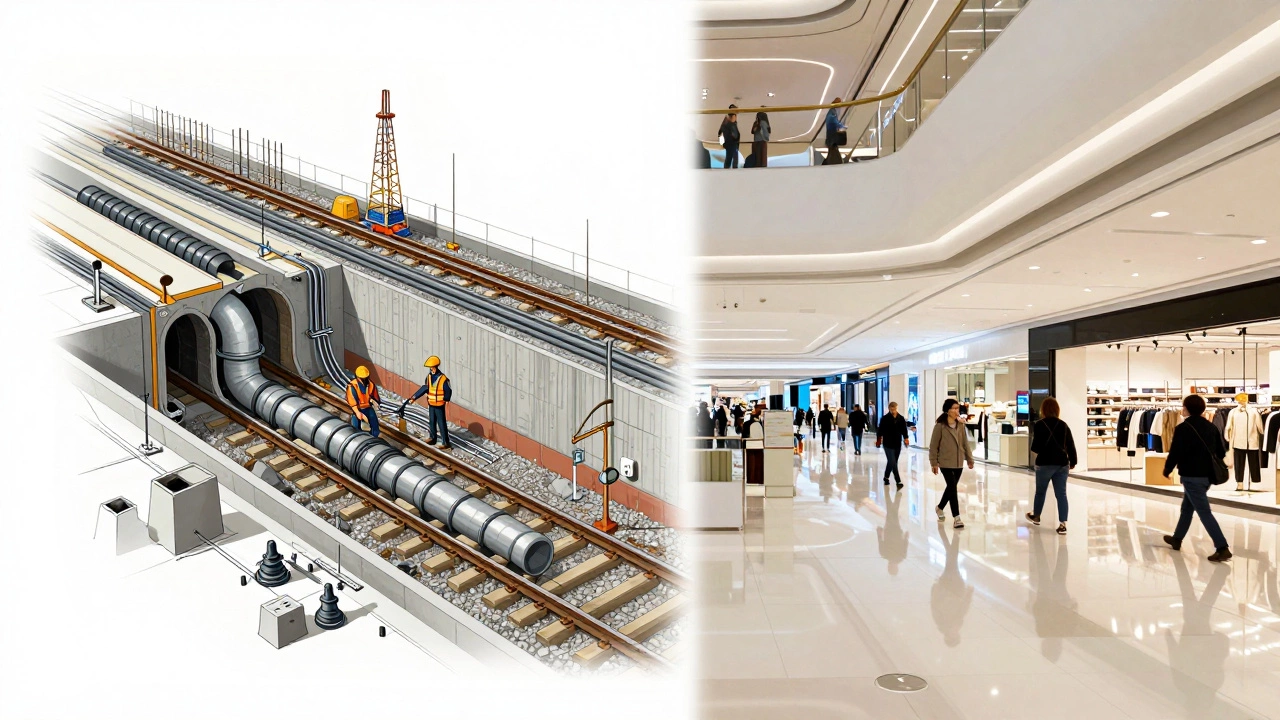
Notice how civil projects are often "horizontal" (spreading across land) while commercial projects are "vertical" (building up from the ground). This physical orientation influences the equipment used and the skill sets required.
Choosing the Right Contractor
If you are embarking on a project, picking the wrong type of contractor is a costly mistake. General contractors in commercial construction specialize in managing subcontractors for MEP (Mechanical, Electrical, Plumbing) and interior finishes. They know how to coordinate hundreds of tradespeople in a tight urban site.
Civil contractors, however, excel in earthworks, heavy foundation work, and utility installation. They manage large fleets of trucks and heavy machinery. They understand soil mechanics and drainage better than anyone. Trying to hire a commercial GC for a road project will result in inefficiency because they lack the specialized equipment and crew experience. Conversely, a civil contractor might struggle with the detailed finishing work required for a luxury hotel lobby.
Always check the contractor’s portfolio. Look for similar project types. Did they build the bridge next door? Or did they renovate the office park downtown? Their past performance is the best predictor of future success.
Overlapping Areas: Where Lines Blur
It’s not always black and white. Some projects sit in the gray area. Mixed-use developments, for instance, combine residential, retail, and sometimes public spaces. A stadium might be owned by a private sports franchise (commercial) but built with significant public funding (civil elements). In these cases, hybrid teams are often formed, combining civil engineers for the site work and commercial builders for the structure.
Additionally, green building initiatives are bringing the two fields closer. Sustainable civil engineering now incorporates stormwater management and permeable pavements, concepts once purely academic, into standard practice. Similarly, commercial buildings are increasingly integrating solar panels and rainwater harvesting systems, borrowing techniques from civil infrastructure.
Can a single company do both civil and commercial construction?
Yes, large conglomerates often have divisions for both. However, smaller firms usually specialize due to the different skill sets, equipment, and regulatory knowledge required. It’s rare for a small local builder to handle both a highway expansion and a high-rise office fit-out simultaneously.
Which type of construction pays better?
Salaries vary by region and role, but civil engineering roles often command slightly higher starting salaries due to the technical complexity of infrastructure. However, top-tier commercial project managers can earn very high bonuses tied to project profitability. Both fields offer strong career growth.
Is civil construction safer than commercial?
Not necessarily. Civil sites often involve heavy traffic, deep excavations, and remote locations, posing unique risks. Commercial sites deal with heights, confined spaces, and dense urban environments. Safety records depend more on the company culture and adherence to protocols than the sector itself.
What is the biggest challenge in civil construction today?
Aging infrastructure is a major issue. Many countries are struggling to maintain existing roads, bridges, and water systems while trying to build new ones. Budget constraints and supply chain disruptions for materials like cement and steel also pose significant challenges.
How does technology impact commercial construction?
BIM (Building Information Modeling) has revolutionized commercial construction, allowing for precise 3D modeling and clash detection before breaking ground. Prefabrication and modular construction are also growing, speeding up build times and reducing waste on site.
Author
Damon Blackwood
I'm a seasoned consultant in the services industry, focusing primarily on project management and operational efficiency. I have a passion for writing about construction trends, exploring innovative techniques, and the impact of technology on traditional building practices. My work involves collaborating with construction firms to optimize their operations, ensuring they meet the industry's evolving demands. Through my writing, I aim to educate and inspire professionals in the construction field, sharing valuable insights and practical advice to enhance their projects.