Commercial Construction Classification Quiz
When you hear the word "commercial," you might think of offices, malls, or factories. But not every business building counts as commercial construction. So what commercial construction really means? It’s not just about who uses the space-it’s about how the building is designed, permitted, and used under local building codes and zoning laws.
Defining Commercial Construction
Commercial construction refers to buildings built for business use, not for residential living. This includes structures like office towers, shopping centers, hotels, restaurants, warehouses, medical clinics, and industrial plants. These are not homes, apartments, or duplexes-even if someone lives in the upper floor of a mixed-use building, the primary function determines the classification.
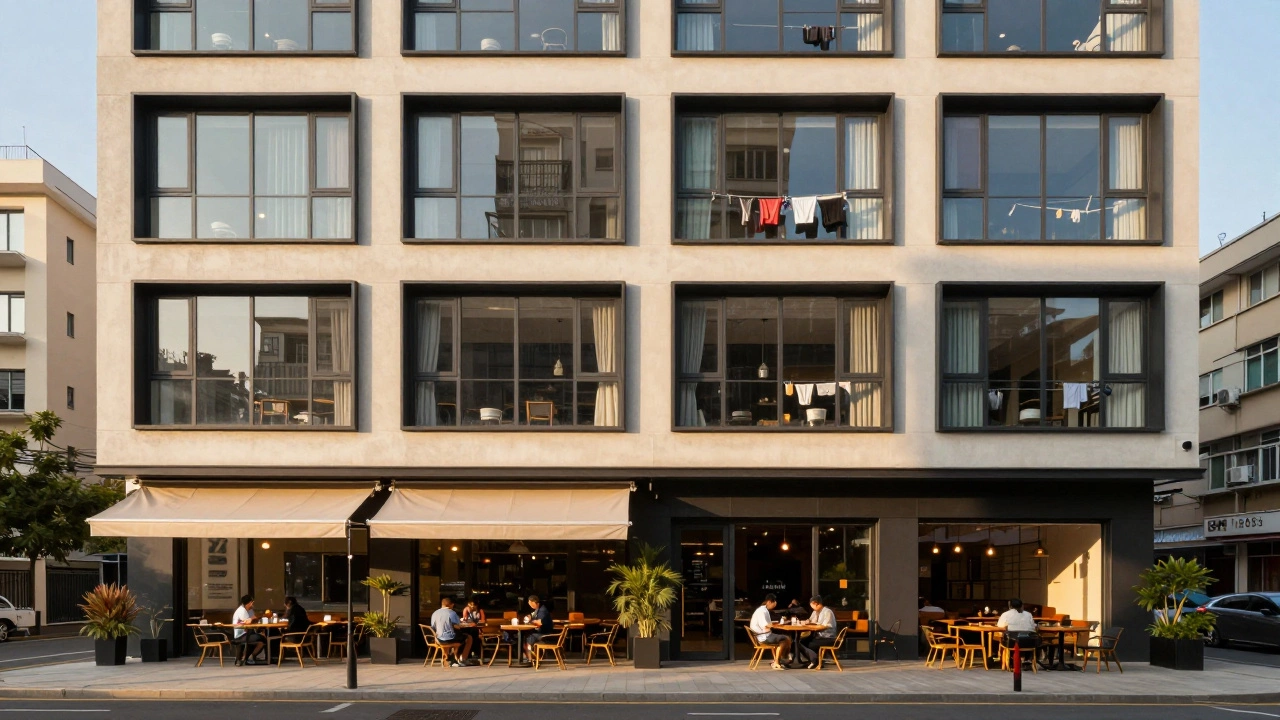
Think of it this way: if the building’s main purpose is to generate income through business operations, it’s commercial. A coffee shop on the ground floor of a building with apartments above? The shop is commercial construction. The apartments? Residential. The two are built to different standards, inspected by different authorities, and subject to entirely separate fire, safety, and accessibility codes.
Key Types of Commercial Buildings
Not all commercial buildings are the same. Here are the most common types you’ll see in cities and towns:
- Office buildings: Single- or multi-tenant spaces where businesses operate. These require strong HVAC systems, high-speed internet infrastructure, and accessible elevators.
- Retail spaces: Malls, strip centers, standalone stores. These need high foot traffic design, wide entrances, ample parking, and security systems.
- Industrial facilities: Warehouses, distribution centers, factories. These prioritize heavy-duty flooring, loading docks, ventilation, and large clear spans for machinery.
- Hospitality: Hotels, motels, resorts. These must meet strict sanitation, fire exit, and guest safety codes.
- Healthcare: Clinics, dental offices, outpatient centers. These require specialized plumbing, infection control, and ADA-compliant layouts.
- Educational institutions (non-school): Private training centers, corporate campuses, adult learning centers. These often fall under commercial if not operated by public school districts.
Each type has its own set of building codes, permit requirements, and inspection schedules. A retail store doesn’t need the same fire suppression system as a chemical warehouse. A hotel lobby has different occupancy limits than a call center.
What’s Not Commercial Construction?
There’s a lot of confusion here. Just because a business operates somewhere doesn’t mean the building is classified as commercial.
- Residential properties used as offices: If someone runs a freelance design business from their home, it’s still a residential building. No commercial permits are needed unless they add a separate entrance, parking, or significantly alter the structure.
- Single-family homes rented out: Even if it’s a short-term rental like an Airbnb, unless it’s designed as a hotel-style operation with daily housekeeping and commercial signage, it’s still residential.
- Churches and non-profits: These are often classified separately as "institutional" or "assembly" buildings, not commercial. They follow different occupancy and safety rules.
- Public schools and government buildings: These are public infrastructure, not commercial. They’re funded differently and built under public works codes.
One common mistake contractors make is assuming that if a business is inside, the whole building is commercial. That’s not true. The classification depends on the building’s original design intent and its primary function under local zoning laws.
Why Classification Matters
Getting this wrong can cost you time, money, and even legal trouble.
Commercial buildings require:
- Higher fire safety standards (sprinklers, fire-rated walls, emergency lighting)
- ADA-compliant access (ramps, door widths, restrooms)
- Commercial-grade electrical and plumbing systems
- More rigorous structural load calculations (for heavy equipment, crowds, or signage)
- Specialized permits and inspections from commercial building departments
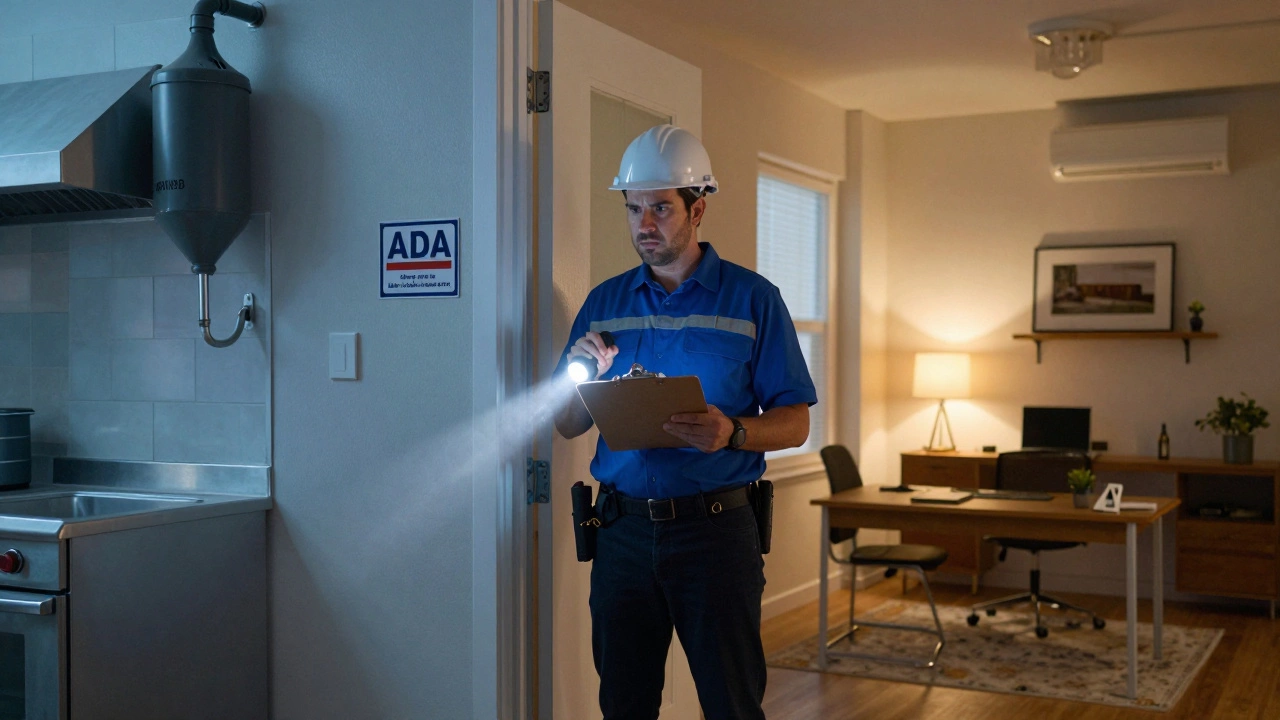
Residential buildings don’t need all of this. A home remodel might only require a basic building permit. A commercial renovation? You’ll need structural engineering stamps, fire marshal approvals, and possibly environmental reviews.
Insurance is another big one. Commercial properties need different liability coverage. If a customer slips in a retail store, the owner’s insurance must cover it. A homeowner’s policy won’t touch that.
How to Know for Sure
Don’t guess. Here’s how to find out what classification your building has:
- Check your local zoning map. Most city planning departments have online maps showing land use zones-commercial, residential, industrial, etc.
- Look at the building’s original Certificate of Occupancy. This document, issued when the building was first constructed or renovated, states its approved use.
- Call your city’s building department. They can tell you the official classification based on the building’s address.
- Review your property tax records. Commercial properties are taxed differently than residential ones.
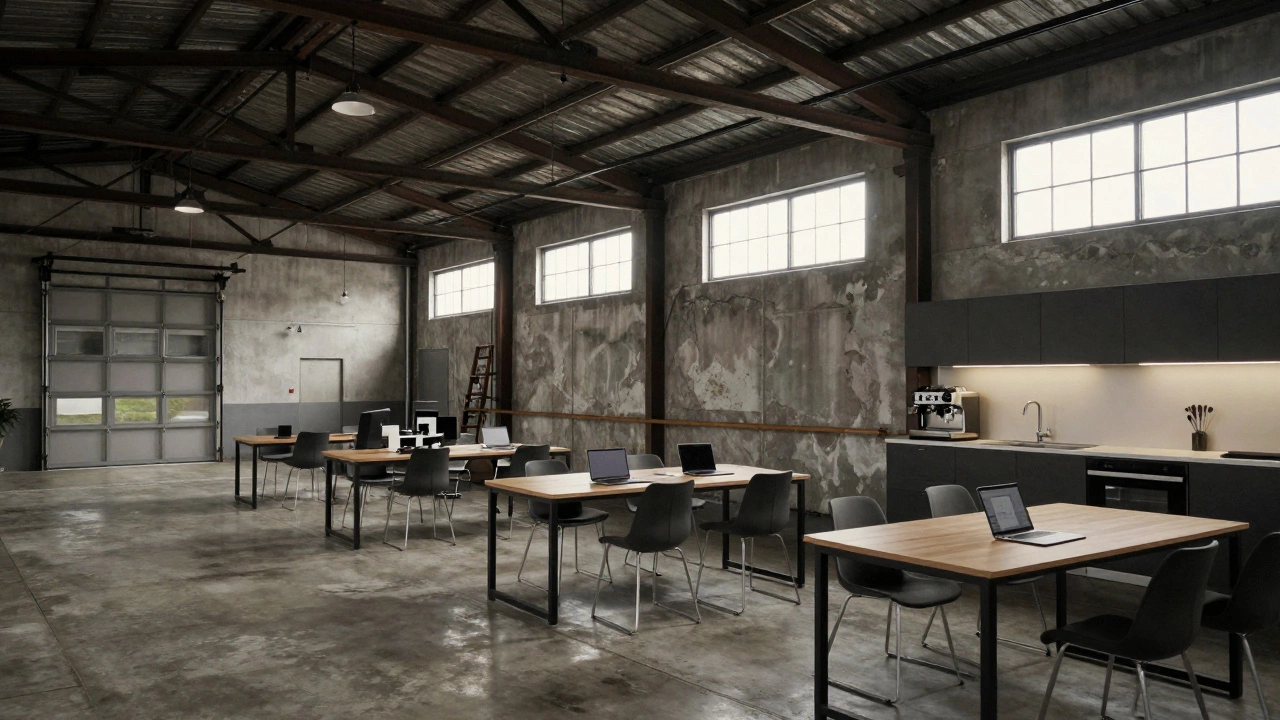
If you’re planning to convert a building-say, turning an old warehouse into a co-working space-you’ll need to apply for a change of use permit. That process involves submitting architectural plans, paying fees, and possibly upgrading systems to meet commercial code.
Real-World Example: The Mixed-Use Trap
Let’s say you buy a building in downtown Wellington with a small café on the ground floor and two apartments above. You want to expand the café into the second floor. Sounds simple, right?
Wrong.
If the building was originally built as residential, and you now want to turn part of it into a commercial kitchen, you’re changing the building’s classification. That triggers:
- Full commercial fire code upgrades
- Commercial plumbing for grease traps and waste lines
- ADA-compliant restrooms for public access
- Separate electrical panels for commercial equipment
- Additional parking requirements
You can’t just add a counter and call it a day. The entire section being converted must meet commercial standards-even if it’s only 300 square feet. Many owners don’t realize this until they’re halfway through the project and get shut down by inspectors.
What Happens If You Get It Wrong?
Ignoring classification rules can lead to:
- Fines from the city
- Forced shutdowns
- Denied insurance claims
- Liability if someone gets hurt
- Difficulty selling the property later
There’s no gray area here. Building departments don’t make exceptions. If the building is classified as commercial, it must meet commercial code. No matter how small the business.
Final Takeaway
Commercial construction isn’t about the business inside-it’s about the building’s purpose, design, and legal classification. Whether you’re a business owner, contractor, or investor, knowing the difference saves you from costly mistakes. Always verify the building’s official use with your local authority before starting any work. What looks like a simple renovation could turn into a full rebuild if you assume incorrectly.
Is a restaurant in a strip mall always commercial construction?
Yes. Any building designed and permitted for food service, especially with public seating, restrooms, and commercial kitchens, is classified as commercial construction regardless of whether it’s in a standalone building or part of a strip mall. The use determines the classification, not the location.
Can a home-based business make a building commercial?
No. Running a business from your home-like graphic design, tutoring, or online sales-doesn’t change the building’s classification. Unless you add a separate entrance, increase traffic, install commercial signage, or alter the structure for business use, it remains residential. Local zoning laws may restrict the type or scale of home businesses, but they don’t reclassify the building.
Do I need a commercial contractor for a small retail space?
Yes. Even a 500-square-foot retail space requires permits, inspections, and construction work that meets commercial building codes. Residential contractors typically don’t have the licensing or experience to handle commercial electrical, plumbing, or fire systems. Hiring a contractor licensed for commercial work avoids delays and code violations.
What’s the difference between commercial and industrial construction?
Industrial construction involves heavy manufacturing, storage of hazardous materials, or large-scale production-think factories, refineries, or warehouses with cranes and forklift traffic. Commercial construction covers service-based businesses like offices, retail, and restaurants. Industrial buildings require stronger structural supports, specialized ventilation, and more rigorous safety protocols due to higher risk.
Can a church or school be considered commercial?
No. Churches, schools, and government buildings are typically classified as "institutional" or "public assembly" structures, not commercial. They follow different building codes, often with more lenient parking or accessibility rules depending on funding and ownership. While they serve the public, they’re not built to generate profit, which is the core definition of commercial construction.
Author
Damon Blackwood
I'm a seasoned consultant in the services industry, focusing primarily on project management and operational efficiency. I have a passion for writing about construction trends, exploring innovative techniques, and the impact of technology on traditional building practices. My work involves collaborating with construction firms to optimize their operations, ensuring they meet the industry's evolving demands. Through my writing, I aim to educate and inspire professionals in the construction field, sharing valuable insights and practical advice to enhance their projects.