
New Build Mold Risk & Symptom Checker
Environmental Factors
Select all conditions that apply to your home.
Risk Assessment
Enter your home's details to check for potential mold risks and Sick Building Syndrome indicators.
Recommended Actions:
Pro Tip: Keep indoor humidity below 50% using dehumidifiers and exhaust fans.
You move into your brand-new home. The paint is fresh, the floors are gleaming, and the air smells like... nothing. Or maybe it smells slightly earthy, like wet cardboard. You brush it off as "new house smell." But then you start coughing. Your eyes itch. You feel tired all the time. Is it just stress from moving? Or is there something invisible lurking in the walls of your new build? The short answer is yes. You can absolutely get sick from mold in a building, even one that was constructed last year.
We often think of mold as a problem for old, crumbling Victorian houses with leaky roofs. That’s a myth. Modern construction methods, while efficient, have created new vulnerabilities. If moisture gets trapped inside the structure during or after construction, it creates a perfect breeding ground for fungi. And those fungi don’t care how new the drywall is.
The Hidden Danger: Why New Builds Are Vulnerable
To understand why mold appears in new homes, we need to look at how they are built. Today’s houses are designed to be energy-efficient. This means they are tightly sealed to keep heat in (or out). While this saves money on bills, it also traps moisture generated by daily activities like cooking, showering, and breathing.
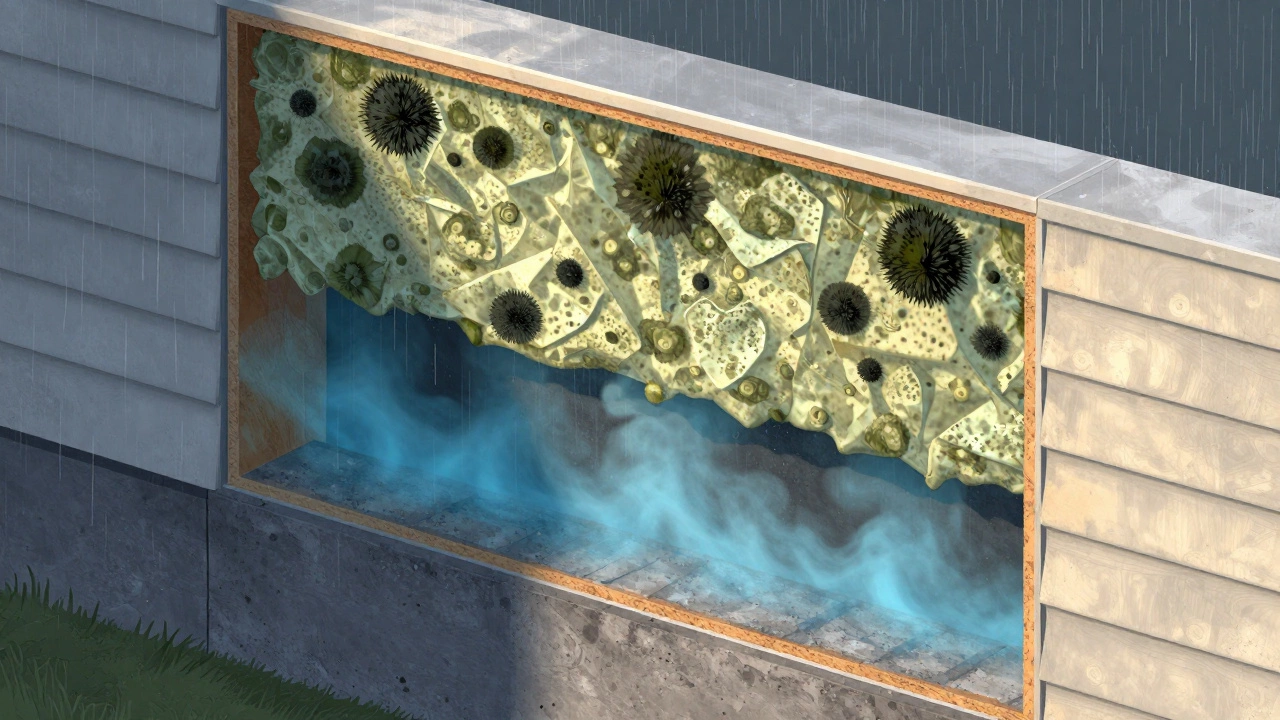
If the ventilation system isn’t perfectly balanced, humidity builds up. Add in a common construction error-like concrete foundations not drying out completely before plastering-and you have a recipe for disaster. This phenomenon is known as "construction moisture." It’s water trapped in the materials themselves. As the house settles, this moisture migrates into the insulation and drywall, where it stays hidden from view for months or even years.
Construction Moisture is water vapor or liquid water introduced during the building process that remains trapped within structural elements. Unlike leaks from pipes or rain, this moisture is inherent to the materials used, such as concrete, mortar, and plaster. If not allowed to evaporate properly through adequate ventilation, it raises the relative humidity inside wall cavities, leading to condensation and subsequent mold growth.
Sick Building Syndrome: More Than Just a Cold
When people talk about getting sick from buildings, they often refer to Sick Building Syndrome (SBS). This isn’t a specific disease you can test for with a blood draw. Instead, it’s a collection of symptoms that improve when you leave the building. In new builds, SBS is frequently linked to poor indoor air quality caused by mold spores and volatile organic compounds (VOCs) from new materials.
Mold releases microscopic spores and, in some cases, mycotoxins. These are toxic substances produced by certain types of mold. When you breathe them in, your immune system reacts. For most healthy adults, this might mean mild irritation. For children, the elderly, or anyone with asthma or allergies, the reaction can be severe.
- Respiratory Issues: Persistent coughing, wheezing, and shortness of breath. If you have asthma, mold exposure can trigger attacks that are harder to control.
- Allergic Reactions: Sneezing, runny nose, red or itchy eyes, and skin rashes. These symptoms often mimic seasonal allergies but don’t go away when you’re indoors.
- Headaches and Fatigue: Many residents report chronic headaches and a general feeling of exhaustion that improves when they spend the night elsewhere.
- Sinusitis: Chronic sinus infections that resist standard treatment can sometimes be traced back to ongoing mold exposure.
It’s crucial to note that not everyone will react the same way. Some people may live in a moldy environment for years with no noticeable symptoms. Others may become ill within weeks. This variability makes it hard to diagnose without professional testing.
Identifying Mold in a Newly Constructed Home
Finding mold in an old house is easy; you see the black spots on the bathroom ceiling. In a new build, mold is often hidden behind walls, under carpets, or inside HVAC ducts. So, how do you know if you have a problem?
Your nose is your first line of defense. A musty, earthy odor is the classic sign of mold. If you walk into a room and it smells like a damp basement, pay attention. Even if you can’t see anything, the spores are likely in the air.
Look for subtle visual clues. Is there discoloration on the walls near windows or exterior corners? Are there small black dots growing along the baseboards? Check the bathrooms and kitchens first, as these are high-humidity areas. But don’t stop there. Inspect behind furniture pushed against exterior walls. Look for peeling wallpaper or bubbling paint, which indicates moisture behind the surface.
If you suspect mold but can’t find the source, consider hiring a professional inspector. They use tools like thermal imaging cameras to detect temperature differences that suggest hidden moisture. They can also take air samples to identify the type and concentration of mold spores present.
Prevention: Protecting Your New Home from Day One
The best way to avoid getting sick from mold is to prevent it from growing in the first place. Since you can’t change how the house was built, you focus on controlling the environment inside.
Ventilation is key. Use exhaust fans in the kitchen and bathroom every time you cook or shower. Leave them running for at least 20 minutes after you’re done to remove excess humidity. If your home has a mechanical ventilation system with heat recovery (MVHR), make sure it’s installed correctly and maintained regularly. Clogged filters reduce its effectiveness, allowing moisture to build up.
Control humidity levels. Aim to keep indoor relative humidity between 30% and 50%. You can buy a simple hygrometer to monitor this. If humidity runs high, use a dehumidifier, especially in basements or poorly ventilated rooms. Avoid drying clothes indoors if possible, as this adds significant moisture to the air.
Fix leaks immediately. Even a tiny drip from a pipe or a small crack in the window seal can lead to major mold problems over time. Regularly inspect your plumbing and roofing for signs of water intrusion.
| Source | Moisture Contribution | Mitigation Strategy |
|---|---|---|
| Cooking | High | Use range hood vented outside; cover pots |
| Showers/Baths | Very High | Run exhaust fan for 20+ mins; wipe surfaces |
| Breathing/Sweating | Moderate | Adequate whole-house ventilation |
| Indoor Plants | Low to Moderate | Limit number of plants; avoid overwatering |
| Drying Clothes Indoors | Very High | Use tumble dryer vented outside; open windows |
What To Do If You Find Mold
If you discover mold, don’t panic, but don’t ignore it either. Small patches (less than 10 square feet) can often be cleaned by yourself. Wear an N95 mask, gloves, and goggles to protect yourself from spores. Mix a solution of water and detergent, scrub the area clean, and dry it thoroughly. Bleach is not always necessary and can sometimes damage porous surfaces, allowing mold roots to remain.
For larger infestations, or if the mold is in the HVAC system, call a professional remediation service. They have the equipment to contain the area, remove contaminated materials safely, and ensure the underlying moisture issue is fixed. Remember, cleaning the mold without fixing the moisture source is like mopping the floor while the tap is still running. The mold will come back.
If you’ve been experiencing health symptoms, consult your doctor. Mention your suspicion of mold exposure. They can help rule out other causes and recommend treatments for allergic reactions or respiratory issues.

The Role of Building Materials
Not all building materials are equal when it comes to mold resistance. Traditional drywall (gypsum board) is highly susceptible because the paper facing provides food for mold. In moisture-prone areas like bathrooms, builders should use cement board or moisture-resistant drywall (often green-colored).
Insulation also plays a role. Fiberglass insulation doesn’t support mold growth itself, but it can trap moisture if not installed correctly. Spray foam insulation, on the other hand, acts as both an insulator and a vapor barrier, reducing the risk of condensation within walls. However, if spray foam is applied incorrectly, it can create air pockets where moisture gets trapped, leading to hidden rot.
Wood flooring and cabinetry can warp and harbor mold if exposed to excessive humidity. Hardwood floors require regular sealing, while engineered wood may delaminate if water penetrates the layers. Choosing mold-resistant materials during the renovation or finishing phase can save you headaches down the line.
Legal Rights and Builder Responsibilities
In many jurisdictions, builders are required to meet specific standards for damp proofing and ventilation. If your new build has mold due to construction defects, you may have legal recourse. Document everything: photos of the mold, records of communication with the builder, and medical records if you’ve sought treatment for related illnesses.
Contact your builder immediately upon discovering the issue. Most new homes come with a warranty that covers structural defects and workmanship. Mold resulting from poor installation or inadequate ventilation may fall under this warranty. If the builder refuses to act, consider consulting a lawyer who specializes in construction law.
Don’t settle for quick fixes. Demand a thorough investigation to determine the root cause of the moisture. Patching a hole in the wall won’t solve the problem if the foundation is leaking or the ventilation system is flawed.
Long-Term Health Implications
Chronic exposure to mold can have long-term health effects. Studies have linked prolonged exposure to increased risk of developing asthma in children. For adults, it can exacerbate existing respiratory conditions and weaken the immune system over time. Some molds produce mycotoxins that may affect neurological function, though research in this area is ongoing.
Children are particularly vulnerable because their lungs are still developing and they breathe faster than adults, inhaling more contaminants per pound of body weight. Pregnant women should also be cautious, as some studies suggest a link between mold exposure and adverse pregnancy outcomes.
If you plan to stay in your home long-term, addressing mold issues is not just about comfort-it’s about protecting your family’s health. Investing in proper ventilation, humidity control, and regular maintenance pays off in better health and higher property value.
How quickly can mold grow in a new build?
Mold can begin to grow within 24 to 48 hours if conditions are right-meaning there is moisture, warmth, and a food source (like drywall paper). In new builds, if construction moisture is trapped and ventilation is poor, mold colonies can establish themselves within weeks of occupancy.
Is black mold more dangerous than other types?
Black mold, scientifically known as Stachybotrys chartarum, produces mycotoxins that can cause more severe health reactions. However, all mold types can cause allergic reactions and respiratory issues. Color is not a reliable indicator of toxicity; white or green mold can be just as harmful depending on the species and individual sensitivity.
Can air purifiers remove mold spores?
Air purifiers with HEPA filters can capture airborne mold spores, improving indoor air quality. However, they do not kill mold or remove it from surfaces. They are a supplementary measure, not a solution. You must address the source of the mold and the underlying moisture problem for effective remediation.
Should I test for mold before buying a new build?
While less common than in older homes, mold testing can be valuable if you notice odors or visible signs. Hiring a certified inspector during the final walkthrough or shortly after moving in can identify hidden issues. Look for inspectors who specialize in indoor environmental quality and use advanced detection methods like thermal imaging.
Does painting over mold stop it from growing?
No, painting over mold does not stop it from growing. Mold feeds on organic materials and thrives in moist environments. If you paint over it, the mold will continue to grow behind the paint, eventually causing it to bubble and peel. You must clean and dry the affected area thoroughly before applying any paint, preferably using mold-resistant primer and paint.
Author
Damon Blackwood
I'm a seasoned consultant in the services industry, focusing primarily on project management and operational efficiency. I have a passion for writing about construction trends, exploring innovative techniques, and the impact of technology on traditional building practices. My work involves collaborating with construction firms to optimize their operations, ensuring they meet the industry's evolving demands. Through my writing, I aim to educate and inspire professionals in the construction field, sharing valuable insights and practical advice to enhance their projects.