Commercial vs. Residential Construction Cost Estimator
Estimate the total construction cost based on square footage and building type. Commercial projects typically cost more per square foot due to materials (steel/concrete), regulations, and specialized labor.
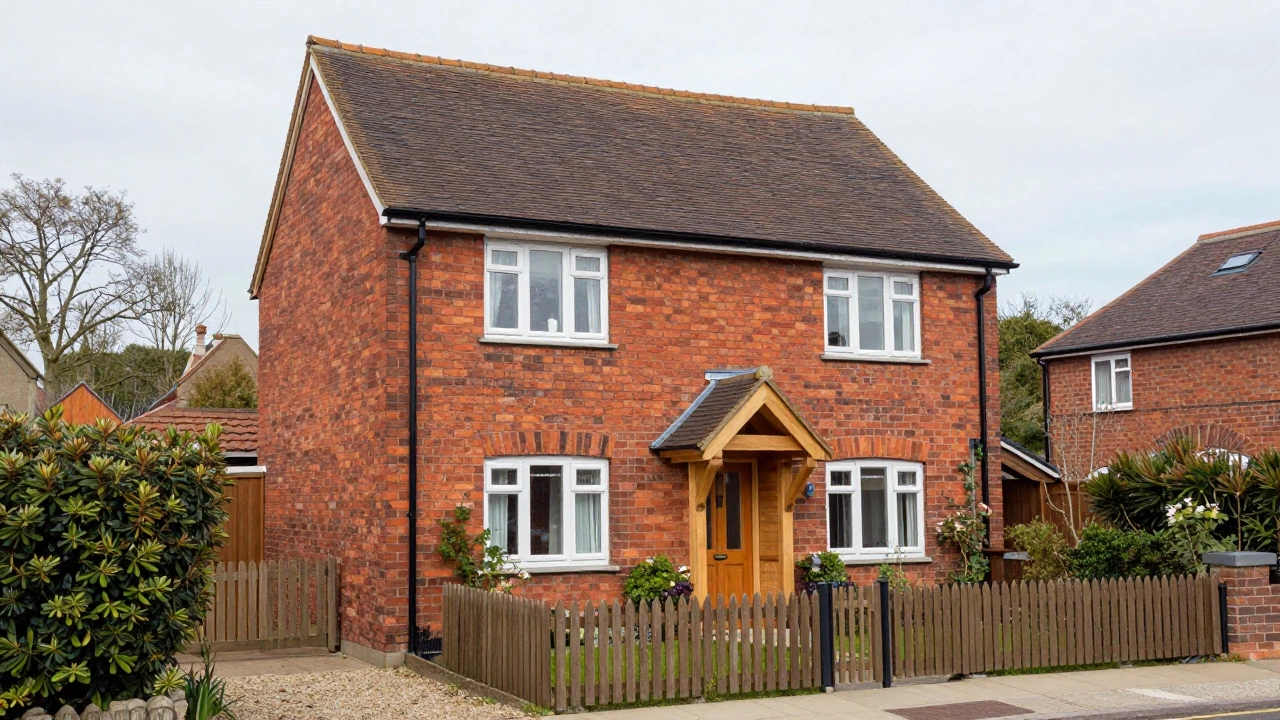
Imagine you’re looking at two buildings side by side. One is a cozy family home with a picket fence and a backyard. The other is a multi-story office block or a bustling retail store. They both have walls, roofs, and foundations, but if you think they were built the same way, you’d be in for a shock. Commercial construction is the process of building structures for business use, such as offices, factories, and retail spaces. It operates on a completely different playbook than residential construction, which focuses on building homes and living spaces for individuals and families.
The stakes are higher, the rules are stricter, and the money moves faster. If you’re an investor, a developer, or just someone curious about why your new apartment complex took three years to finish while your neighbor’s house took six months, understanding these differences is crucial. Let’s break down exactly where these two worlds diverge.
The Scale and Complexity Gap
The most obvious difference is size, but it’s not just about square footage. It’s about complexity. A typical single-family home might involve a general contractor managing five or six subcontractors: electricians, plumbers, framers, etc. A commercial project, like a shopping center or an industrial warehouse, can involve dozens of specialized trades working simultaneously.
In residential builds, the design is often standardized. You might choose from a few floor plans provided by the builder. In commercial projects, every building is usually custom-designed to meet specific operational needs. An office space needs open-plan layouts for collaboration; a restaurant needs heavy-duty ventilation and grease traps; a factory needs reinforced floors for heavy machinery. This customization requires a much larger team of architects, engineers, and consultants before a single shovel hits the ground.
- Residential: Often uses stock plans or minor modifications to existing designs.
- Commercial: Requires bespoke architectural drawings and engineering calculations tailored to the client’s business operations.
Materials: Wood vs. Steel and Concrete
If you peek under the skin of these buildings, you’ll see another major split. Residential construction relies heavily on wood framing. It’s cheaper, easier to work with, and widely available. When you build a house in Wellington or anywhere else, you’re likely stacking timber studs and plywood sheets.
Commercial buildings, however, need to support more weight, span wider distances, and withstand heavier foot traffic. That’s why they typically use steel frames and concrete slabs. Steel provides the tensile strength needed for high-rises, while concrete offers durability and fire resistance. These materials are more expensive and require specialized equipment-like cranes and concrete pumps-to install. This shift in materials changes the entire supply chain and labor requirements.
| Feature | Residential Construction | Commercial Construction |
|---|---|---|
| Primary Structure | Wood framing (timber) | Steel beams and concrete columns |
| Flooring | Plywood subfloors, hardwood/tile finishes | Poured concrete slabs, epoxy coatings |
| Roofing | Asphalt shingles, tiles | Flat roofs with TPO, EPDM, or metal panels |
| Insulation | Fiberglass batts, spray foam | High-density rigid boards, acoustic insulation |
Regulations and Building Codes
This is where things get serious. Both types of construction must follow local building codes, but commercial projects face a much thicker rulebook. Why? Because public safety is paramount when hundreds or thousands of people occupy a space daily.
Commercial buildings must adhere to strict fire safety standards, including sprinkler systems, fire-rated walls, and multiple emergency exits. They also need to comply with accessibility laws, such as the Americans with Disabilities Act (ADA) in the US or similar regulations globally, ensuring ramps, elevators, and wide doorways for wheelchair access. Zoning laws are also tighter; you can’t just decide to build a factory next to a school without navigating complex environmental and noise impact assessments.
Residential codes focus more on habitability-ensuring the house is safe to live in, has proper egress windows, and meets basic electrical and plumbing standards. While important, the regulatory burden is significantly lighter compared to the bureaucratic maze of commercial permitting.
Timelines: Months vs. Years
Time is money, especially in construction. A typical residential home might take 6 to 12 months to build from foundation to finish. You can track progress weekly: here comes the frame, now the roof, then the drywall. It’s a linear process.
Commercial projects often take 1 to 5 years, depending on scale. A small retail shop might be done in a year, but a large office tower can take half a decade. The delay isn’t just due to size. It’s because of the pre-construction phase. Securing permits, finalizing designs, and bidding out contracts can take months alone. Once construction starts, the schedule is tight and unforgiving. Delays cost millions in lost rent or operational downtime for the owner. This pressure means commercial projects run on precise critical path methods, whereas residential builds have more flexibility for weather delays or material shortages.
Contract Types and Financial Risks
How you pay for the build differs drastically too. In residential construction, homeowners often use fixed-price contracts. You agree on a total cost upfront, and the builder absorbs any overruns unless you change the scope. It’s simpler and less risky for the homeowner.
Commercial contracts are more complex. They often use Cost-Plus contracts, where the owner pays for actual costs plus a fee for the contractor, or Guaranteed Maximum Price (GMP) contracts, which cap the cost but share savings. These structures reflect the uncertainty of large-scale projects. There’s also the issue of financing. Residential builders might rely on personal savings or home equity loans. Commercial developers need bank financing, private equity, or institutional investors. The financial stakes mean rigorous auditing and reporting throughout the project lifecycle.
Labor and Specialization
The people doing the work are also different. Residential contractors often manage smaller crews and may even do some of the work themselves. Tradespeople in this sector are skilled but generalist enough to handle various tasks within a home.
Commercial projects employ highly specialized labor. You have crane operators, ironworkers welding steel beams, concrete finishers, and MEP (Mechanical, Electrical, Plumbing) engineers designing complex HVAC systems that cool entire skyscrapers. Union involvement is also more common in commercial construction, bringing structured wage scales and training programs. This specialization ensures quality but adds to the labor cost and coordination challenges.
Why Does This Matter to You?
Whether you’re planning to invest in real estate, start a business, or simply understand your city’s skyline, knowing these differences helps set realistic expectations. If you’re thinking of converting a warehouse into lofts, remember you’re moving from commercial to residential codes-a costly and time-consuming process. If you’re a homeowner wondering why your renovation feels chaotic, compare it to the streamlined, albeit slower, pace of a commercial site.
The core takeaway is this: residential construction is about creating a personal sanctuary, prioritizing comfort and aesthetics. Commercial construction is about creating a functional asset, prioritizing efficiency, durability, and compliance. Both are essential, but they speak different languages.
Is commercial construction more expensive than residential?
Yes, generally speaking. Due to the use of premium materials like steel and concrete, stricter regulatory requirements, and the need for specialized labor, commercial projects have a higher cost per square foot than residential homes. However, economies of scale can sometimes reduce costs for very large projects.
Can I use a residential contractor for a commercial project?
It is not recommended. Most residential contractors lack the experience, insurance coverage, and licensing required for commercial work. Commercial projects involve complex codes and safety standards that residential builders may not be familiar with, leading to potential legal and safety issues.
What is the biggest challenge in commercial construction?
Coordination is often the biggest hurdle. With dozens of subcontractors working on tight schedules, any delay in one area (like delayed steel delivery) can ripple through the entire project, causing significant financial losses. Effective project management is critical.
Do commercial buildings last longer than residential ones?
Yes, commercial buildings are designed for a longer lifespan, often 50 to 100 years or more. They are built with durable materials like steel and concrete to withstand heavy use and environmental stress. Residential homes typically have a lifespan of 30 to 50 years before major structural updates are needed.
How do zoning laws affect commercial vs. residential projects?
Zoning laws dictate what type of building can be constructed in a specific area. Commercial zones allow for businesses, offices, and retail, while residential zones are for housing. Converting between the two often requires special variances and can be a lengthy legal process.
Author
Damon Blackwood
I'm a seasoned consultant in the services industry, focusing primarily on project management and operational efficiency. I have a passion for writing about construction trends, exploring innovative techniques, and the impact of technology on traditional building practices. My work involves collaborating with construction firms to optimize their operations, ensuring they meet the industry's evolving demands. Through my writing, I aim to educate and inspire professionals in the construction field, sharing valuable insights and practical advice to enhance their projects.