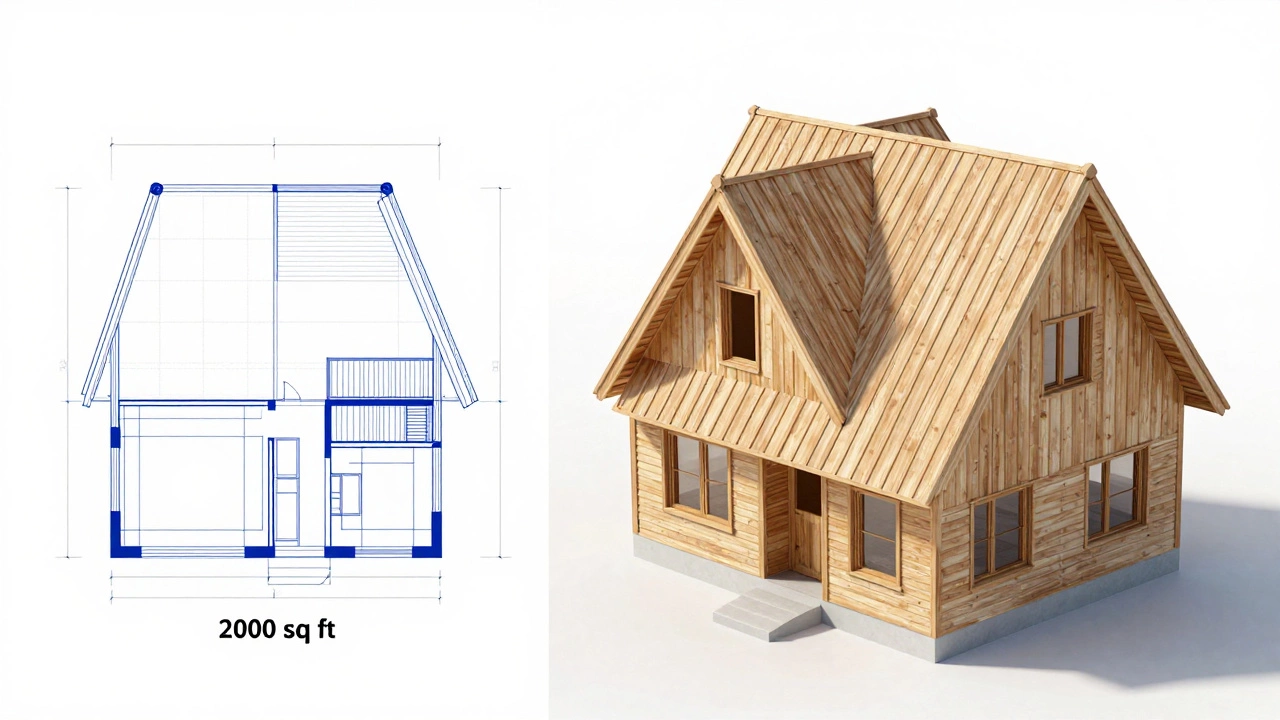
Roofing Material Calculator
Calculate the exact amount of roofing material needed for your home based on footprint, complexity, and waste factors.
You have a 2000 sq ft house. You think you need 2000 square feet of roofing. If you buy that amount, you will run out halfway up the ridge. It happens more often than you’d think. Homeowners order materials based on their floor plan area, only to find themselves short by hundreds of squares when the crew starts working.
The reality is that your roof covers your home like a tent, not a lid. The surface area depends on the shape of the roof, how steep it is, and the specific materials you choose. Getting this calculation wrong costs money-either through wasted material sitting in your garage or expensive last-minute delivery fees to finish the job.
To get the right amount, we need to move beyond the square footage of your living space. We need to calculate the actual surface area of the roof itself, add the necessary waste factor, and account for the specific coverage rates of different materials. Here is exactly how to do it without calling a contractor just for an estimate.
Understanding the "Square" in Roofing
Before you measure anything, you need to speak the language of roofer. In the roofing industry, we don’t usually talk about square feet when ordering materials. We talk about "squares."
A Roof Square is a unit of measurement equal to 100 square feet of roof surface area. This simplifies math significantly. If your roof is 2,500 square feet, you are looking at 25 squares. Most roofing materials, especially asphalt shingles, are sold by the bundle or the square. One square of standard 3-tab shingles typically requires three bundles. Architectural shingles might require four bundles per square depending on thickness.
Knowing this conversion is crucial because suppliers quote prices per square, not per foot. If you walk into a hardware store asking for "2000 square feet of shingles," they will look at you confused. Asking for "20 squares" shows you know what you’re doing.
Why Floor Area Doesn't Equal Roof Area
Your house footprint is 2,000 square feet. That is the area of the ground your house sits on. Your roof, however, has to cover that footprint plus all the vertical rise. The relationship between your floor area and your roof area is determined by two main factors: roof pitch and roof complexity.
Roof Pitch is the steepness of the roof, expressed as a ratio of vertical rise to horizontal run. A flat roof (which is rarely truly flat) has a pitch near 0:12. A common residential roof might be 6:12, meaning it rises 6 inches for every 12 inches it runs horizontally. The steeper the pitch, the more material you need to cover the same horizontal footprint.
For a simple gable roof (two sloping sides meeting at a ridge), the multiplier is relatively low. A 4:12 pitch adds about 8% to your floor area. A 6:12 pitch adds about 16%. An 8:12 pitch adds roughly 29%. So, if you have a 2,000 sq ft house with a simple 6:12 gable roof, your roof surface area is roughly 2,320 square feet (23.2 squares). But most houses aren’t simple gables.
Calculating Surface Area by Roof Shape
Most homes have hips, valleys, dormers, and multiple levels. These features increase the surface area dramatically. Here is how to estimate the total surface area based on common roof styles for a 2,000 sq ft footprint:
- Simple Gable Roof: Multiply floor area by 1.1 to 1.2. (Approx. 2,200 - 2,400 sq ft)
- Hip Roof: Multiply floor area by 1.2 to 1.3. (Approx. 2,400 - 2,600 sq ft)
- Complex Multi-Level/Hipped: Multiply floor area by 1.3 to 1.5. (Approx. 2,600 - 3,000 sq ft)
- Very Complex (Many Valleys/Dormers): Multiply floor area by 1.5 to 1.7. (Approx. 3,000 - 3,400 sq ft)
If you can access your attic, look at the rafters. Measure the length of one rafter from the wall plate to the ridge. Multiply that length by the width of the house. Then multiply by the number of slopes. This gives you a precise measurement rather than a guess.
| Roof Style | Pitch Factor | Estimated Surface Area (Sq Ft) | Squares Needed |
|---|---|---|---|
| Simple Gable (Low Pitch) | 1.1x | 2,200 | 22 |
| Standard Hip (Medium Pitch) | 1.25x | 2,500 | 25 |
| Complex Multi-Level | 1.4x | 2,800 | 28 |
| Highly Complex (Many Valleys) | 1.6x | 3,200 | 32 |
The Critical Waste Factor
Once you have your estimated surface area, you cannot just order that exact amount. You must add a waste factor. Waste occurs due to cutting shingles to fit edges, trimming around chimneys and vents, and mistakes during installation.
Waste Factor is the percentage of extra material added to the calculated surface area to account for cuts, errors, and irregularities. The standard rule of thumb is:
- Low Slope / Simple Roof: Add 10% waste.
- Medium Slope / Average Complexity: Add 15% waste.
- Steep Slope / High Complexity: Add 20-30% waste.
Let’s say your complex hip roof calculates to 2,800 square feet (28 squares). With a 15% waste factor, you need to order for 3,220 square feet. That means buying 33 squares of material. If you only buy 28 squares, you will be stuck waiting for a new shipment while your roof is exposed to the elements. In Wellington, where weather can turn quickly, exposure is a major risk.
Material-Specific Calculations
Different materials cover different areas per unit. Knowing this helps you translate "squares" into actual boxes, rolls, or sheets.
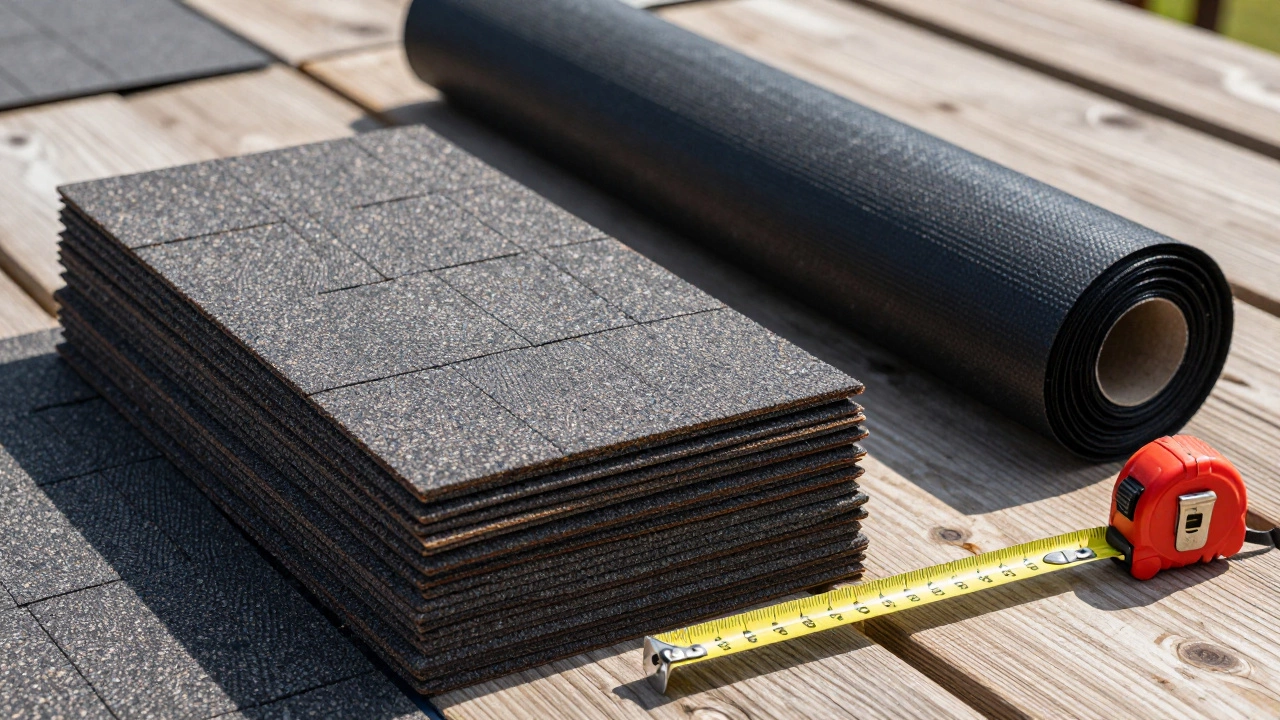
Asphalt Shingles: As mentioned, one square equals 100 sq ft. Standard 3-tab shingles come in bundles. Three bundles make one square. Architectural shingles are heavier and thicker; check the box label. Some require four bundles per square. Always check the coverage statement on the packaging.
Metal Roofing: Metal panels come in various widths. A common panel might be 12 inches wide but covers 16 inches due to overlap. If you use 16-inch effective width panels, one linear foot of panel covers 1.33 square feet. For a 2,800 sq ft roof, you would need approximately 2,100 linear feet of paneling. Don’t forget the trim, screws, and underlayment.
Clay or Concrete Tiles: Tiles are heavy and brittle, leading to higher breakage rates. The waste factor should be higher, often 20-25%. Coverage varies by tile style (flat vs. barrel). A typical barrel tile might cover 100 sq ft per pallet, but you need to verify the specific product’s coverage rate.
Underlayment: This is the waterproof barrier beneath the shingles. Rolls are typically 36 inches wide and 72 feet long, covering 216 square feet per roll. For a 3,200 sq ft roof (including waste), you would need about 15 rolls. Always install ice and water shield in valleys and eaves, even in moderate climates.
Step-by-Step Estimation Process
Here is a practical checklist to finalize your numbers before making a purchase:
- Determine Footprint: Confirm your house’s heated living area or foundation size (2,000 sq ft).
- Assess Complexity: Look at your roof from the ground. Count the ridges, hips, and valleys. Is it a simple box or a puzzle?
- Apply Multiplier: Use the multipliers above (1.1 to 1.7) to get the rough surface area.
- Add Waste: Increase the total by 10-20% depending on slope and complexity.
- Convert to Squares: Divide the final number by 100.
- Check Material Specs: Determine how many bundles/sheets/rolls equal one square for your chosen material.
- Order Extras: Buy 5-10% more than calculated for future repairs. Keeping leftover shingles ensures color matches years down the line.
Common Mistakes to Avoid
One of the biggest errors homeowners make is ignoring the chimney and vent penetrations. While these areas don’t need shingles, they require flashing. Flashing is metal sheeting used to direct water away from joints. You need step flashing for walls, valley metal for intersections, and drip edge for the perimeter. These are small items but essential. Missing them leads to leaks.
Another mistake is assuming all shingles are created equal. Heavier architectural shingles may require additional decking support. If your roof deck is old plywood, adding heavy tiles or thick shingles could be a structural issue. Check with a structural engineer if switching to heavier materials like slate or clay.
Finally, don’t forget the ventilation. Proper airflow prevents heat buildup and moisture accumulation under the roof. Ridge vents, soffit vents, and turbine vents all take up space and require careful planning during installation. Poor ventilation can void shingle warranties.
When to Call a Professional
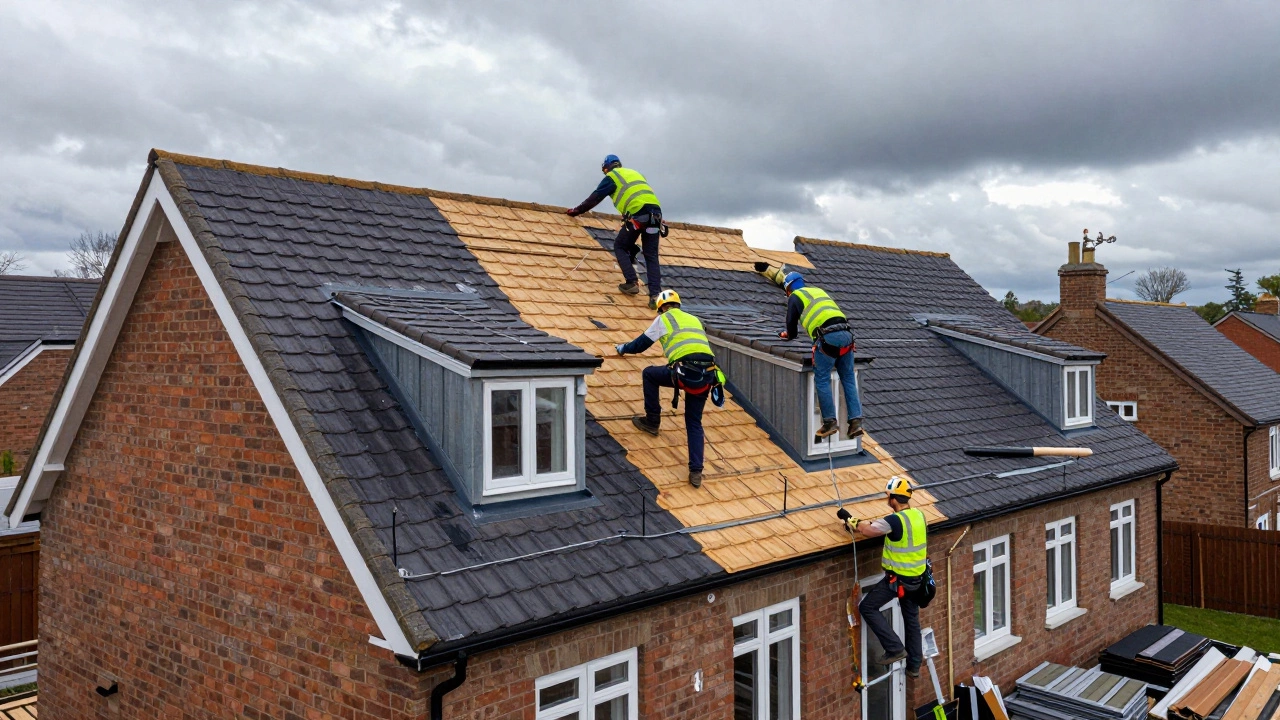
While you can estimate the quantity, installing a roof is dangerous work. Falls from roofs are a leading cause of home improvement injuries. If you are not experienced with ladder safety, harnesses, and nail guns, hire a licensed roofer. They carry insurance, which protects you if something goes wrong.
In New Zealand, building codes are strict. Roofs must withstand high winds and seismic activity. A professional will ensure the installation meets local council standards. They also handle disposal of old materials, which can be a logistical nightmare for DIYers.
Even if you hire pros, knowing how to calculate the material helps you verify their quotes. If a contractor quotes 50 squares for a 2,000 sq ft house with a simple roof, ask for a breakdown. It might be legitimate if the pitch is extreme, but it’s worth questioning.
How many bundles of shingles do I need for a 2000 sq ft house?
It depends on your roof's surface area, not just the floor area. For a 2000 sq ft house with a complex roof, you might need 30-35 squares of shingles. Since 3 bundles usually make 1 square, you would need 90-105 bundles. Always check if your shingles are 3-bundle-per-square or 4-bundle-per-square.
Does roof pitch affect the amount of material needed?
Yes, significantly. A steeper pitch means more surface area to cover the same footprint. A 6:12 pitch adds about 16% more material compared to a flat surface. An 8:12 pitch adds nearly 30%. Always measure the actual slope or use a pitch gauge to adjust your calculations.
What is the average cost to roof a 2000 sq ft house?
Costs vary widely by material and location. Asphalt shingles might cost $3,500-$7,000 for materials alone. Metal roofing can range from $8,000 to $15,000+. Labor typically doubles the material cost. In Wellington, labor rates may be higher due to specialized wind-resistant installation requirements.
How much waste should I add to my roofing calculation?
Add 10% for simple, low-slope roofs. Add 15% for average complexity and medium pitch. Add 20-30% for steep roofs with many valleys, dormers, and chimneys. It is better to have leftover material than to run short mid-project.
Can I use the floor square footage to estimate roofing needs?
No, floor square footage is inaccurate for roofing estimates. The roof surface area is always larger due to pitch and shape. Using floor area will likely result in under-ordering by 20-50%, leading to delays and extra costs.
Author
Damon Blackwood
I'm a seasoned consultant in the services industry, focusing primarily on project management and operational efficiency. I have a passion for writing about construction trends, exploring innovative techniques, and the impact of technology on traditional building practices. My work involves collaborating with construction firms to optimize their operations, ensuring they meet the industry's evolving demands. Through my writing, I aim to educate and inspire professionals in the construction field, sharing valuable insights and practical advice to enhance their projects.