Commercial License Checker
Does Your Project Need a Commercial License?
This tool helps you determine if your construction project requires a commercial license based on key factors. Note: Local regulations may vary.
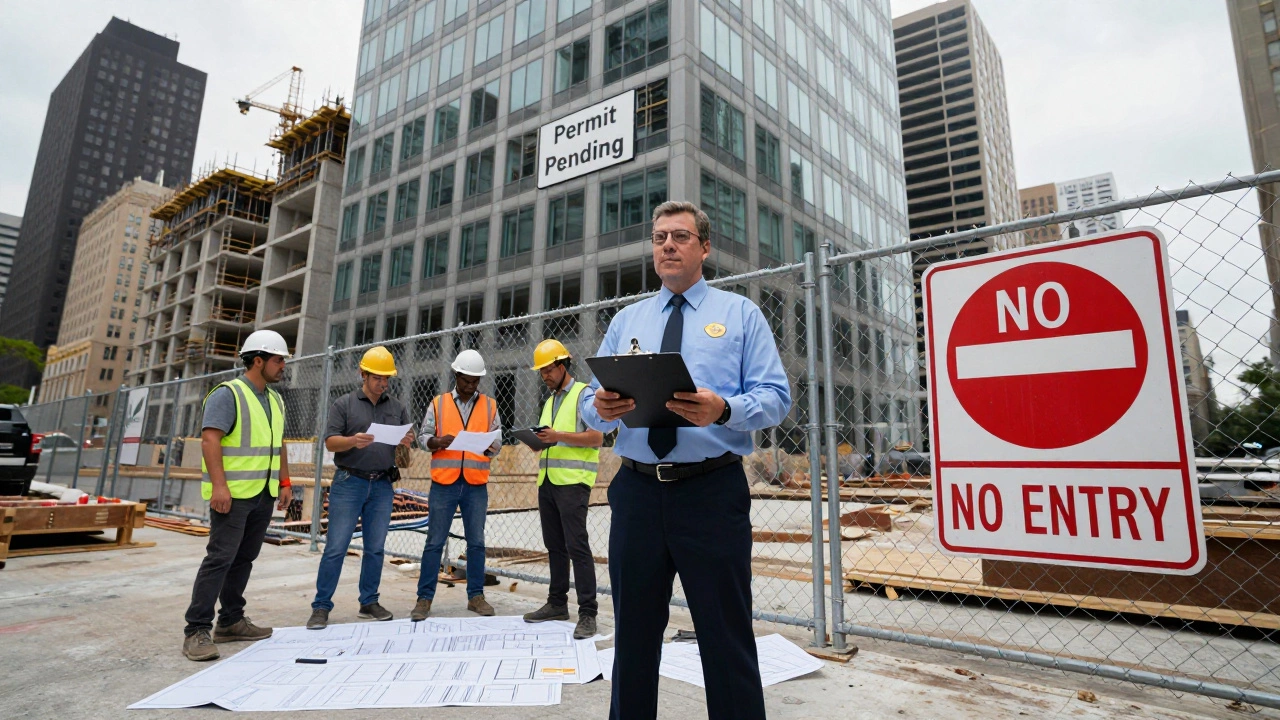
When you hear the term commercial license, it might sound like something only big corporations deal with. But in construction, it’s not about owning software or using a brand name-it’s about the legal right to build, renovate, or operate a commercial property. If you’re planning to build an office, retail space, restaurant, or warehouse, you can’t just start digging. You need a commercial license. And without it, you’re not just risking fines-you’re putting your entire project on hold.
What Exactly Is a Commercial License?
A commercial license in construction is a permit issued by a local government authority that gives you legal permission to carry out building work for business purposes. This isn’t the same as a contractor’s license (which lets a company hire workers) or a home renovation permit (which covers private residences). A commercial license specifically applies to structures meant for business use-anything where people pay to shop, work, eat, or stay.
Think of it this way: if you’re building a coffee shop, you need a commercial license. If you’re turning your garage into a home office, you might need a simple zoning change, but not a commercial license. The difference matters because commercial buildings have stricter rules. They’re used by the public, so safety, accessibility, fire codes, and structural load limits are far more demanding.
Why Do Commercial Licenses Exist?
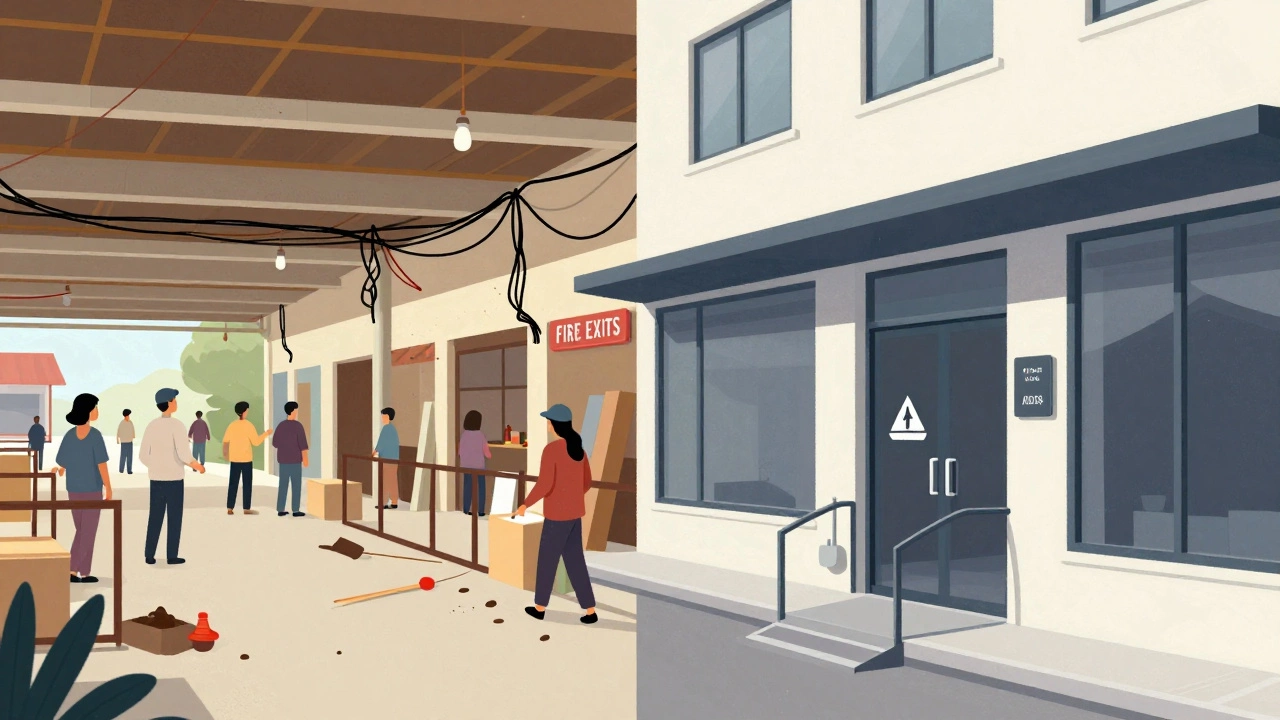
They exist because commercial buildings affect more than just one family. A poorly designed office tower could collapse. A restaurant with bad ventilation could make people sick. A retail space without wheelchair ramps violates civil rights laws. Local governments use commercial licenses to make sure every building meets minimum standards for:
- Structural integrity
- Fire safety (sprinklers, exits, alarms)
- Accessibility (ADA compliance in the U.S.)
- Electrical and plumbing systems
- Zoning (what kind of business can go where)
Without these rules, you’d see buildings popping up everywhere-on flood zones, next to schools, or with no emergency exits. The license isn’t red tape. It’s a safety net.
How Is a Commercial License Different From a Residential Permit?
It’s not just a bigger version of a home permit. The requirements are fundamentally different.
| Requirement | Commercial License | Residential Permit |
|---|---|---|
| Building Code | International Building Code (IBC) | International Residential Code (IRC) |
| Fire Safety | Full sprinkler systems, multiple exits, fire-rated walls | Smoke detectors, one main exit |
| Accessibility | ADA-compliant ramps, elevators, restrooms | Usually not required unless publicly funded |
| Load Capacity | Designed for heavy equipment, crowds, storage | Designed for household use |
| Inspection Frequency | Multiple inspections during construction | Typically 2-3 inspections |
For example, a single-family home might only need a foundation, framing, and final inspection. A commercial building might need inspections after electrical rough-in, plumbing rough-in, HVAC installation, fire suppression setup, and occupancy. Each step is checked by a city inspector before you move forward.

Who Needs a Commercial License?
You need one if you’re doing any of the following:
- Building a new retail store, hotel, or office complex
- Converting an old warehouse into coworking spaces
- Adding a second story to a strip mall
- Installing a new restaurant kitchen or bar
- Renovating a bank branch or medical clinic
Even if you’re not the owner, if you’re the general contractor or developer, you’re responsible for securing the license. Subcontractors can’t apply for it-only the person or company holding legal authority over the project can.
One common mistake? People think that if they’re leasing space, the landlord handles everything. Not true. The landlord might have a license for the building’s structure, but if you’re changing the interior for a specific business-like adding a liquor bar, a commercial kitchen, or a daycare center-you still need your own license for those modifications.
How Do You Get a Commercial License?
Getting one isn’t instant. It takes time, paperwork, and sometimes money. Here’s the typical process:
- Submit detailed construction plans drawn by a licensed architect or engineer
- Pay application fees (can range from $500 to $10,000+ depending on project size)
- Wait for zoning approval-some areas don’t allow certain businesses in certain zones
- Pass a plan review (city planners check for code compliance)
- Wait for inspections during and after construction
- Receive final occupancy permit before opening
Timeline? On average, it takes 4 to 12 weeks just to get the license approved. In cities like New York, Chicago, or Los Angeles, it can take longer due to backlog and strict reviews. In smaller towns, it might be faster-but don’t assume.
Pro tip: Don’t wait until you’ve signed a lease or bought land to start this process. Many developers lose money because they assumed the permit would be easy. Always check with the local building department before making any financial commitments.
What Happens If You Skip the License?
Some people think they can fly under the radar-especially if they’re working on a small project. That’s a dangerous gamble.
If you build without a commercial license:
- You can be fined thousands of dollars per day until you comply
- The city can order you to stop work immediately
- You might be forced to tear down or modify parts of the building
- You won’t be able to get insurance for the property
- You can’t legally rent or sell the space
- If someone gets hurt, you could face lawsuits or criminal charges
There are real cases where businesses opened without permits, got busy, then got shut down after a fire or inspection. One restaurant in Atlanta spent $250,000 on renovations, opened, and was ordered to close six weeks later because they didn’t have a commercial kitchen permit. They lost everything.
Common Myths About Commercial Licenses
Let’s clear up a few misunderstandings:
- Myth: "I just need a business license."
Truth: A business license lets you operate legally as a company. A commercial construction license lets you build the physical space. You need both. - Myth: "My contractor handles it."
Truth: Contractors apply for their own trade permits (electrical, plumbing), but the overall commercial license is the owner’s responsibility. - Myth: "It’s the same everywhere."
Truth: Every city, county, and state has different rules. What’s allowed in Austin might be banned in Dallas.
What Comes After the License?
Getting the license is just the start. Once you’re approved, you still need to:
- Keep records of all inspections
- Renew the license annually (some places require this)
- Update the license if you change the business type (e.g., turning a gym into a spa)
- Comply with ongoing inspections (fire marshal visits, health inspections for restaurants)
Some cities now require digital permits and online tracking. Others still use paper files. Either way, stay organized. Losing a permit document can delay inspections and cost you time and money.
Final Thought: Don’t Cut Corners
Commercial construction isn’t like building a deck or remodeling a bathroom. It’s a complex, regulated process designed to protect public safety. Skipping the license might seem like a shortcut, but it’s really a trap. The cost of getting it right upfront is far less than the cost of fixing it later.
Talk to your local building department early. Hire a consultant if you’re unsure. Don’t assume your contractor knows all the rules. And never, ever start construction without a signed, approved commercial license. Your business, your investment, and your reputation depend on it.
Is a commercial license the same as a contractor’s license?
No. A contractor’s license allows a company to legally hire workers and perform construction work. A commercial license is a permit for the building itself-issued to the property owner or developer-to show the structure meets safety and zoning rules for business use. You often need both.
Can I start construction while waiting for my commercial license?
No. Starting construction without a permit is illegal and can result in fines, work stoppages, or even demolition orders. Even if you’re just doing site prep, you still need approval. Some jurisdictions allow a "preliminary review" for design, but no physical work is permitted until the permit is issued.
Do I need a commercial license to renovate an existing building?
Yes-if the renovation changes the use, size, or structural integrity of the building. Adding a new floor, converting a warehouse into offices, or expanding a retail space all require a new or updated commercial license. Even interior changes like installing new plumbing or electrical systems for a business can trigger the requirement.
How long does a commercial license last?
The permit itself is usually valid for the duration of construction-typically 6 to 18 months. Once the building is complete and inspected, you get an occupancy permit, which is permanent as long as the building’s use doesn’t change. But if you later change the business type (e.g., from a bookstore to a bar), you’ll need to apply for a new license.
Can I get a commercial license if I’m not the property owner?
Generally, no. The license is issued to the legal owner of the property or their authorized agent. If you’re leasing space, you can apply as a tenant only if the owner provides written consent and signs the application. Most cities require the owner to be listed as the primary applicant.
For anyone planning a commercial build in 2026, the rules haven’t changed-they’ve just gotten more detailed. Climate resilience, energy efficiency, and digital accessibility are now standard parts of the review process. If you’re serious about your project, treat the commercial license not as a hurdle, but as the foundation of your success.
Author
Damon Blackwood
I'm a seasoned consultant in the services industry, focusing primarily on project management and operational efficiency. I have a passion for writing about construction trends, exploring innovative techniques, and the impact of technology on traditional building practices. My work involves collaborating with construction firms to optimize their operations, ensuring they meet the industry's evolving demands. Through my writing, I aim to educate and inspire professionals in the construction field, sharing valuable insights and practical advice to enhance their projects.