
New Build Defect Classifier & Action Guide
Describe Your Issue
Defect Type
Description goes here.
Warranty Coverage Window
Recommended Action Plan
Select your issue details to generate a classification and action plan.
You’ve waited months, maybe years. You’ve signed the papers, chosen your fixtures, and finally got the keys to your brand-new home. It looks pristine on Instagram, but then you notice it: a door that sticks, a tile with a hairline crack, or worse, damp patches appearing on the ceiling just three weeks after moving in. This is where the dream meets reality. Understanding what constitutes a defect in a new build is not just about nitpicking; it’s about protecting your biggest financial investment.
Many buyers assume "new" means "perfect." In construction, however, perfection is rare. Mistakes happen, materials settle, and tradespeople work under tight deadlines. The key difference between a minor annoyance and a serious structural issue lies in how you classify these problems. Knowing the distinction can save you thousands of dollars and countless headaches down the road.
The Two Main Types of Defects
To navigate the world of new home complaints, you first need to understand the two primary categories of issues: patent and latent defects. These terms sound legalistic, but they define exactly when and how you can get them fixed.
On the other hand, Latent Defects are hidden faults that cannot be reasonably discovered during a standard inspection because they are concealed behind walls, under floors, or within the roof structure. Think about water leaks from pipes inside the wall, subsidence caused by poor ground preparation, or electrical wiring that doesn’t meet safety codes. These problems often reveal themselves months or even years later. This is why warranties exist-to cover the unseen risks that only time exposes.
Common Snagging Issues in New Homes
Before you sign the final acceptance paper, you should conduct a thorough "snagging" inspection. Snagging is the process of identifying and listing all visible defects so the builder can fix them before you pay the final balance or move in. Here are the most frequent culprits found in modern new builds:
- Carpentry and Joinery: Doors that don’t close properly due to uneven frames, windows that stick in their tracks, or cabinetry with misaligned hinges.
- Plastering and Painting: Uneven walls, nail pops (where nails push through drywall), unpainted spots, or paint that chips easily.
- Tiling and Flooring: Hollow sounds when tapping tiles (indicating poor adhesion), grout lines that are inconsistent, or laminate flooring that buckles near heat sources.
- Plumbing and Electrical: Faucets that leak, toilets that don’t flush correctly, outlets that aren’t level, or light switches that feel loose.
- Exterior Work: Cracks in brickwork, poorly sealed windows leading to drafts, or gutters that don’t direct water away from the foundation.
Don’t be afraid to point these out. Builders prefer fixing a loose screw now rather than dealing with a disgruntled homeowner calling them six months later. Document everything with photos and dates.
The Legal Framework: Warranties and Guarantees
In many jurisdictions, including parts of New Zealand and the UK, new homes are covered by statutory warranties or insurance schemes. For example, in England and Wales, the NHBC (National House Building Council) provides a 10-year warranty for structural defects. In New Zealand, the Weathertight Homes Resolution Service and building warrants provide similar protections, though the specifics can vary by region and builder.
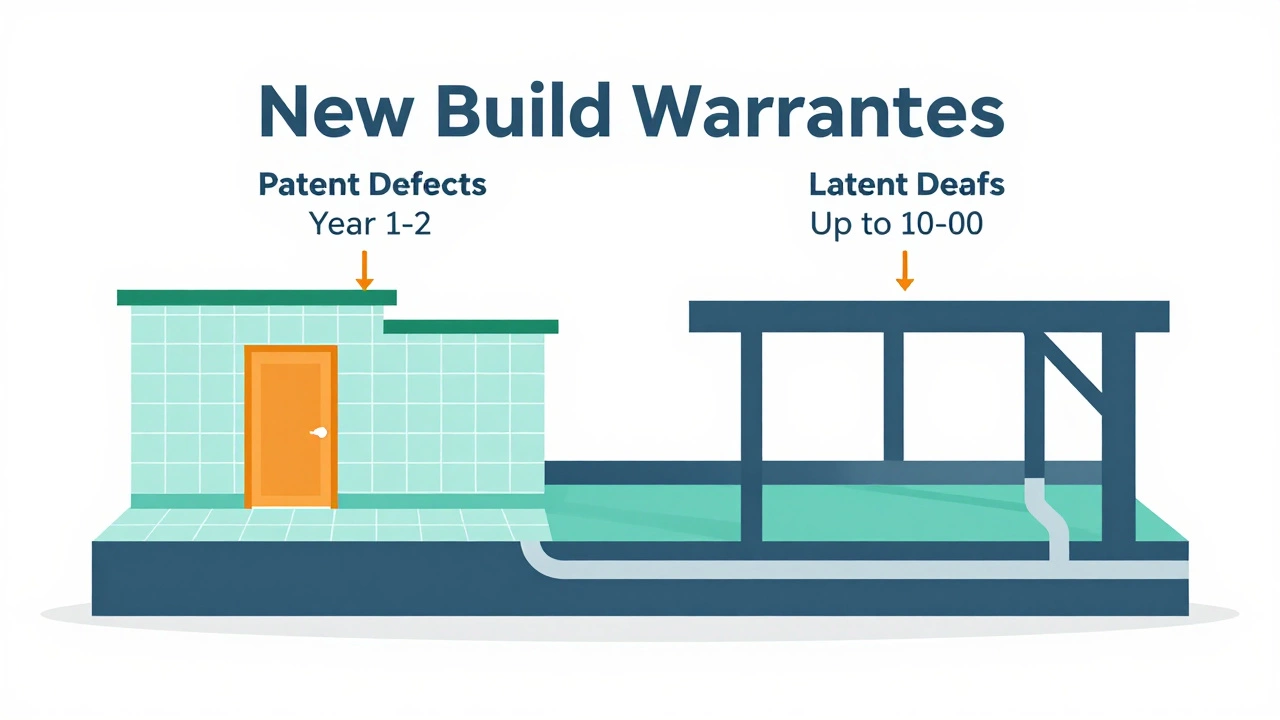
Typically, these warranties are split into phases:
- First 1-2 Years: Covers general workmanship and materials (patent defects). This includes plastering, painting, plumbing, and electrical installations.
- Years 3-10: Covers major structural defects (latent defects). This includes foundations, load-bearing walls, and roof structures.
If your builder goes bust or refuses to act, your warranty provider steps in. However, they will only cover issues that fall under their definition of a defect. Cosmetic wear and tear is rarely included. Always read the fine print of your specific warranty document.
How to Spot Defects Before You Buy
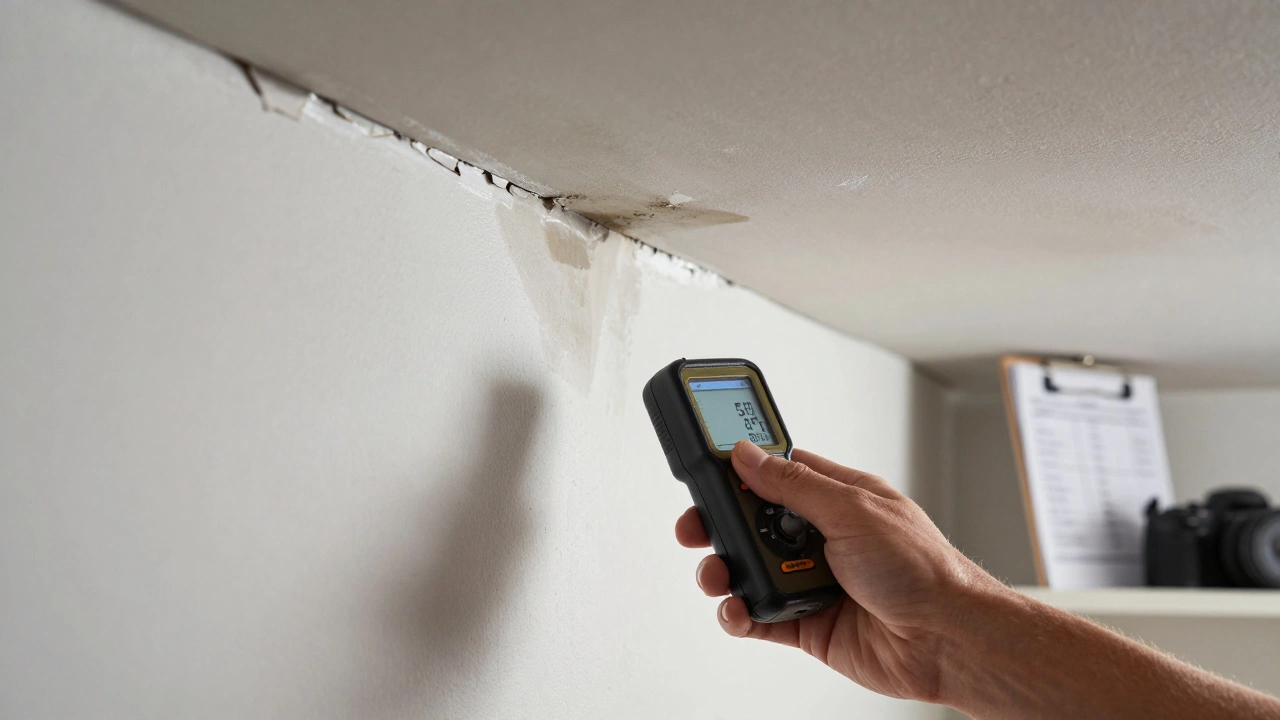
The best time to find a defect is before you commit to buying. If you’re purchasing off-the-plan, you usually won’t have access to the property until it’s nearly finished. But if you’re buying a completed new build, hire an independent building inspector. They bring thermal cameras, moisture meters, and decades of experience to spot issues you’d miss.
Even without a professional, you can do a basic check:
- Check the corners: Look for cracks at the junctions of walls and ceilings. Small hairline cracks are normal as concrete cures, but wide or diagonal cracks can signal movement.
- Test every fixture: Flush every toilet, run every tap, and turn on every light. Don’t skip the outdoor taps or the garage door opener.
- Open and close everything: Windows, doors, cupboards, and drawers. They should operate smoothly without forcing.
- Smell the air: A strong musty odor could indicate mold or poor ventilation, which is a serious health hazard.
What To Do When You Find a Defect
Finding a problem can feel stressful, but staying calm and organized is crucial. Here is a step-by-step approach:
- Document it: Take clear, well-lit photos and videos. Write down the date and location of the issue.
- Notify the builder in writing: Email is best because it creates a paper trail. Be specific: "The kitchen sink drain is leaking," not "The kitchen is broken."
- Allow reasonable time for repair: Builders are busy. Give them a fair window to schedule the fix, usually 7-14 days for minor issues.
- Follow up: If they don’t respond, send a reminder. If they still ignore you, contact your warranty provider or local council’s building compliance team.
- Don’t DIY the fix: Never try to fix a builder’s error yourself unless you want to void your warranty. Let them do it right, or hire a licensed contractor and seek reimbursement later through legal channels.
When Does a Defect Become a Dispute?
Most defects are resolved amicably. However, disputes arise when builders deny responsibility or delay repairs indefinitely. This often happens with latent defects where the cause is unclear. Was the crack caused by settling, or was the foundation poorly poured?
If negotiations fail, you may need mediation or arbitration. Many warranty schemes require this step before you can take legal action. Keep all your records-emails, contracts, inspection reports-as evidence. In severe cases involving structural failure, consult a lawyer specializing in construction law. The cost of legal advice is small compared to the cost of repairing a collapsed floor.
Maintaining Your New Home to Prevent Future Defects
Not all problems are the builder’s fault. Some issues stem from owner negligence. Proper maintenance can prevent many common defects:
- Clear gutters regularly: Blocked gutters lead to water overflow, which can damage siding, foundations, and interiors.
- Ensure proper drainage: Make sure the ground slopes away from your house. Water pooling near the foundation is a recipe for subsidence.
- Ventilate bathrooms and kitchens: Use exhaust fans to reduce humidity, preventing mold growth on walls and ceilings.
- Inspect annually: Walk around your home once a year. Look for new cracks, peeling paint, or signs of pests.
By understanding what a defect is, knowing your rights, and acting promptly, you turn a potentially disastrous situation into a manageable one. Your new home should be a sanctuary, not a source of stress. Stay vigilant, keep records, and don’t hesitate to ask for what you paid for.
What is the difference between a patent and latent defect?
A patent defect is visible upon reasonable inspection, such as a cracked tile or chipped paint. A latent defect is hidden and cannot be seen without invasive testing, like faulty wiring inside a wall or underground pipe leaks. Patent defects are usually covered in the first 1-2 years, while latent defects are covered for up to 10 years.
How long do I have to report defects in a new build?
For patent defects, you typically have 12 to 24 months from the date of completion to report them. For latent structural defects, the coverage period is usually 6 to 10 years, depending on your local laws and warranty provider. Always check your specific contract and warranty documents for exact deadlines.
Can I fix a defect myself and claim money back?
Generally, no. Fixing a defect yourself can void your warranty or make it difficult to prove the original cause. You should always notify the builder or warranty provider first. If they refuse to act, you may need to hire a licensed contractor and seek reimbursement through mediation or legal channels, but never start repairs without written consent.
What should I include in my snagging list?
Your snagging list should include every visible flaw, no matter how small. Include photos, descriptions, and locations. Common items include sticking doors, uneven tiling, paint marks, non-functional outlets, and leaky faucets. Being thorough ensures the builder addresses all issues before you finalize the purchase.
Does a new build warranty cover cosmetic issues?
Yes, but only if they result from poor workmanship or defective materials. Normal wear and tear, such as scuffs from moving furniture, is not covered. Cosmetic defects like chipped paint or scratched windows are considered patent defects and should be fixed during the initial warranty period (usually the first 1-2 years).
Author
Damon Blackwood
I'm a seasoned consultant in the services industry, focusing primarily on project management and operational efficiency. I have a passion for writing about construction trends, exploring innovative techniques, and the impact of technology on traditional building practices. My work involves collaborating with construction firms to optimize their operations, ensuring they meet the industry's evolving demands. Through my writing, I aim to educate and inspire professionals in the construction field, sharing valuable insights and practical advice to enhance their projects.