Loft Conversion Cost Estimator 2026
Project Details
Potential Hidden Costs
Check these if you suspect they apply to your property.
Estimated Total Cost
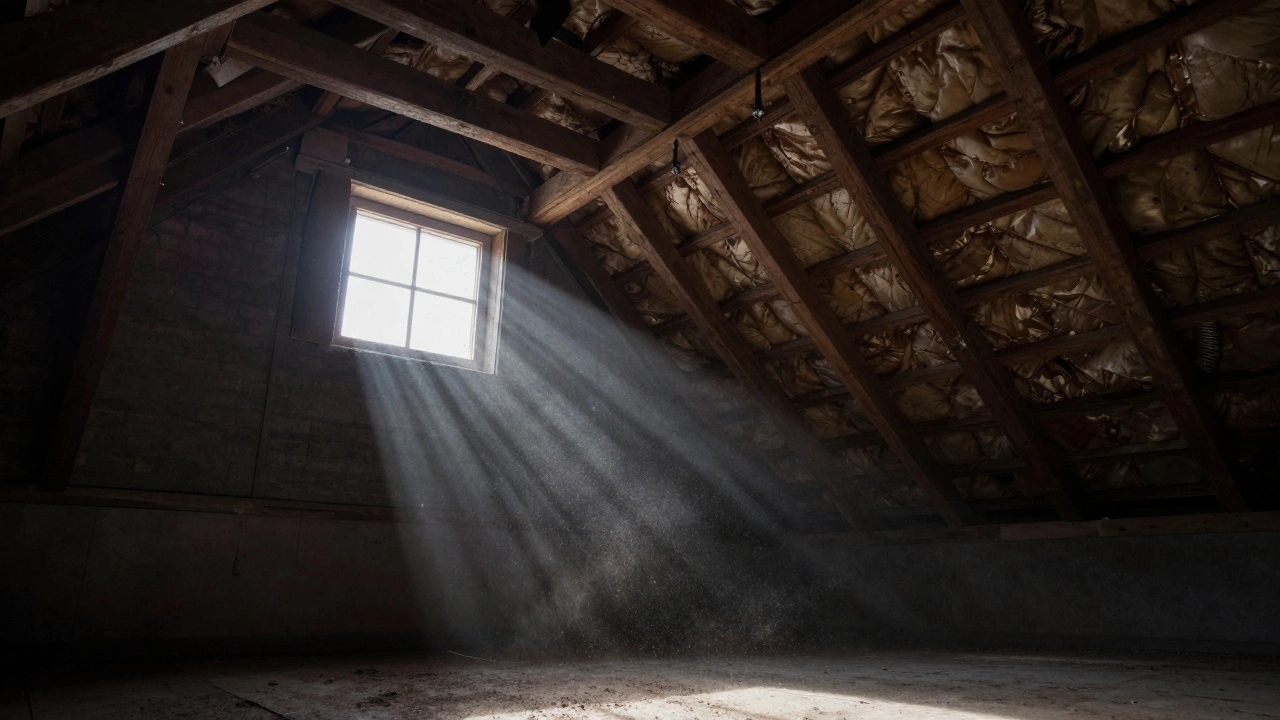
You stare up at that dark, dusty space beneath the roof tiles. It’s wasted potential. You know adding a bedroom or office there would solve your housing squeeze without moving house. But then you hear the numbers floating around online: £30,000? £50,000? Or is it closer to £100,000? The variance is terrifying.
Here is the hard truth: there is no single "average" because every roof is different. However, for a standard semi-detached home in the UK in 2026, you can expect to pay between £40,000 and £70,000 for a complete, habitable loft conversion. This range covers materials, labor, VAT, and basic finishes. If you are looking at a complex L-shaped property in London, that number jumps significantly. If you are doing a simple Velux room in a rural area, it drops. Understanding where your project sits on this spectrum is the only way to avoid budget shock halfway through construction.
The Three Main Types and Their Price Tags
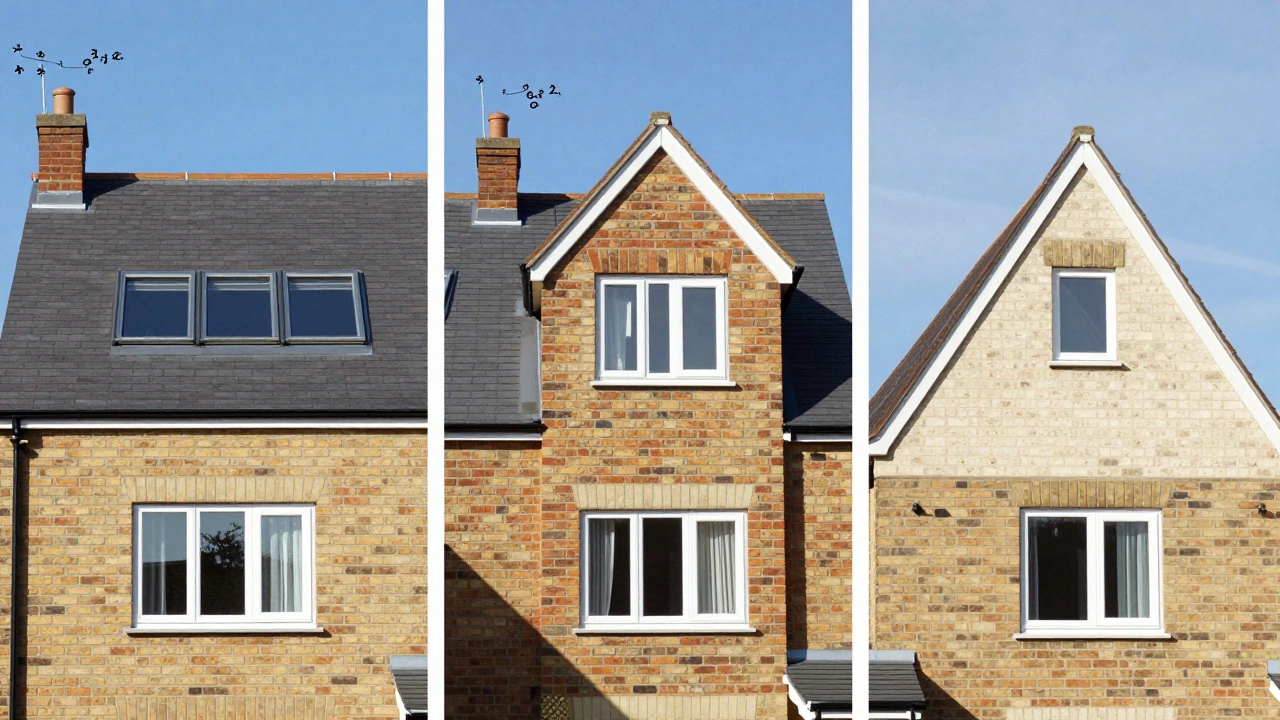
Not all loft conversions are created equal. The structural changes required dictate the majority of your costs. Most homeowners fall into one of three categories, each with a distinct price bracket.
| Type | Average Cost Range (£) | Complexity Level | Best For |
|---|---|---|---|
| Velux / Roof Window | £15,000 - £35,000 | Low | Attic rooms, studies, playrooms |
| Dormer | £35,000 - £55,000 | Medium | Full bedrooms, bathrooms, extra headroom |
| Mansard | £50,000 - £80,000+ | High | Terraced houses, maximizing square footage |
A Velux conversion is the most affordable option. Since you aren’t altering the external shape of the roof, you often avoid needing full planning permission (though building regulations still apply). You are essentially fitting out an existing space with insulation, windows, stairs, and flooring. It’s quick, less invasive, and keeps costs down.
A Dormer conversion involves building a vertical wall extending from the existing roof plane. This creates significant headroom and floor space. Because you are changing the exterior appearance and structure, this usually requires more structural engineering and potentially planning permission if you are in a conservation area. The added complexity drives the price up, but so does the usable space.
A Mansard conversion is the heavy hitter. It involves raising one or both sides of the roof to near-vertical. This effectively adds another full story to your house. It requires substantial structural reinforcement, new roofing, and almost always planning permission. While expensive, it offers the highest return on investment in terms of added square footage, particularly in terraced homes where lateral expansion isn’t possible.
Hidden Costs That Blow Up Your Budget
The quote you get from a contractor often looks like a base price. It rarely includes the surprises that appear once the plasterboard comes off. Here is what actually drains your wallet.
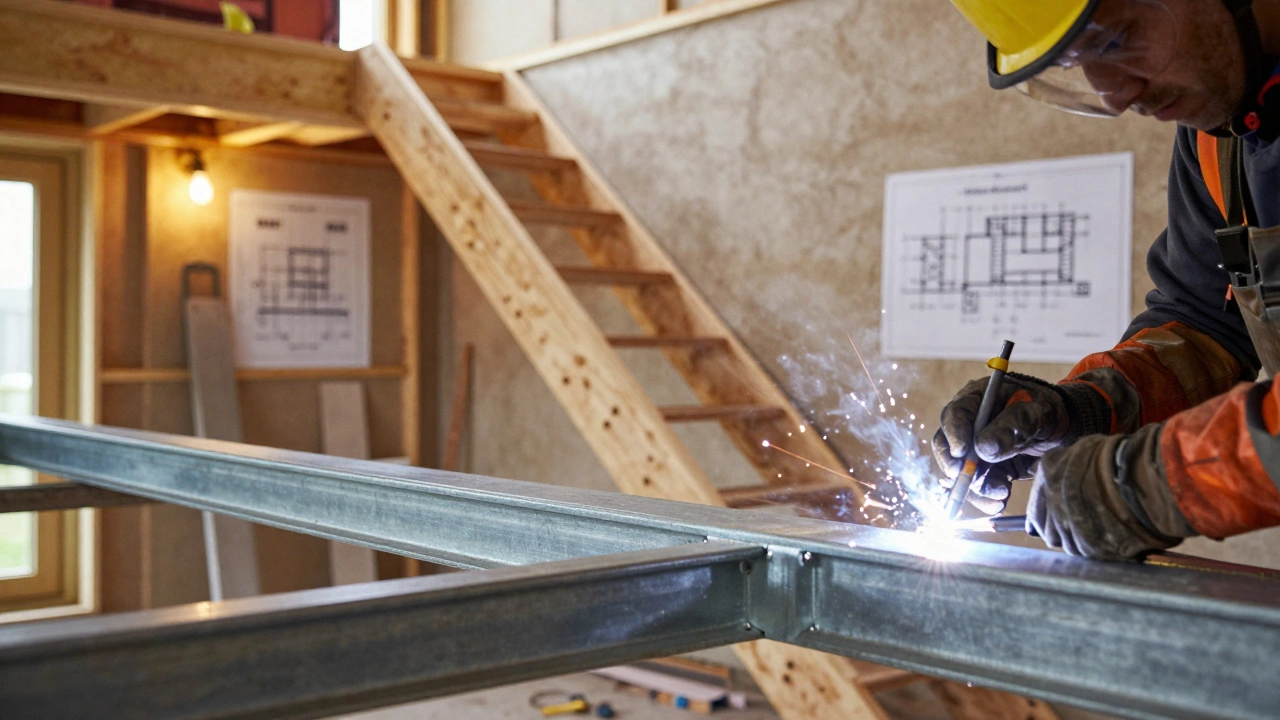
Structural Steelwork: If your existing joists are too narrow or spaced too far apart, they cannot support the load of a finished room. You will need steel beams installed. This isn’t just buying steel; it’s hiring engineers, cranes, and specialist welders. Expect this to add £3,000 to £8,000 depending on span and access.
New Staircase: Building regulations are strict about stair dimensions. Width, rise, and going must meet specific safety standards. A custom-built wooden staircase that fits awkward angles in your hallway can easily cost £4,000 to £7,000. Cheap pre-fab options might look generic and feel unstable.
Party Wall Agreements: If you live in a semi-detached or terraced house, you share walls with neighbors. Under the Party Wall etc. Act 1996, you must serve notice. If your neighbor objects, you need a surveyor. Two surveyors plus an agreed surveyor can cost £1,500 to £3,000 total. Even if they don’t object, the administrative fee is non-negotiable.
Fire Safety Upgrades: Adding a second story changes the escape route. You likely need fire doors on the ground floor, interconnected smoke alarms, and possibly a sprinkler system if the loft is used as a bedroom. Fire-rated plasterboard and intumescent paint add material costs that many quotes omit.
Planning Permission vs. Permitted Development
In the UK, many loft conversions fall under "Permitted Development" rights, meaning you don’t need full planning permission. However, this has limits. You cannot exceed the volume allowance (40 cubic meters for terraced houses, 50 cubic meters for detached/semi-detached). You cannot extend beyond the plane of the existing roof slope if it faces a highway. And you certainly cannot use Permitted Development if you live in a Conservation Area, National Park, or World Heritage Site.
If you do need planning permission, the process adds time and money. Application fees are around £462 (as of 2026), but the real cost is delay. A refusal means redesigning, which wastes weeks. Always check with your local planning authority before signing a contract. Some contractors will promise "no permission needed" to win the job, leaving you liable if the council steps in later.
Regional Variations: Where You Live Matters
Labor rates vary wildly across the country. A loft conversion in London or the South East will cost 20-30% more than the same project in the North of England or Scotland. This isn’t just greed; it’s market reality. Higher living costs drive up wages for skilled tradespeople. Material delivery costs also spike in congested urban areas due to parking permits and restricted access times.
If you are in a rural area, you might save on labor but pay more for logistics. Getting cranes and large timber sheets to a remote property requires longer haulage routes. Always ask for a site visit. Online calculators cannot account for whether your driveway is wide enough for a skip or if your garden is accessible for waste removal.
DIY vs. Professional Build
Can you save money by doing it yourself? Only if you have specific skills. You cannot DIY the structural elements. Installing steel beams, modifying roof trusses, and ensuring fire compliance requires certified professionals. Attempting this without expertise risks catastrophic failure and voids your home insurance.
However, you can handle the finishing touches. Painting, decorating, laying carpet, and installing fixtures are tasks you can tackle after the builders leave. This saves on labor hours during the final phase. Just ensure the builder leaves the space dry and dust-free. Trying to paint over construction dust is a recipe for peeling paint and frustration.
Return on Investment: Is It Worth It?
A well-executed loft conversion typically adds 10-20% to your property value. In high-demand areas, it can be higher. More importantly, it solves immediate lifestyle needs. Adding a bedroom allows you to stay in your current neighborhood, school district, and community rather than uprooting your family. The emotional and logistical value of staying put often outweighs the pure financial calculation.
But beware of over-improvement. If your house is modest and you spend £80,000 on a luxury loft suite, you may not recoup that amount when selling. Match the finish quality to the rest of your home. Consistency matters to buyers.
How to Get Accurate Quotes
Don’t rely on phone estimates. Reputable contractors will insist on a site visit. They need to measure pitch, check joist spacing, assess access, and identify any existing issues like damp or rot. Get at least three detailed quotes. Compare line items, not just the bottom line. A cheap quote might exclude VAT, scaffolding, or cleanup. Ask specifically: "Does this include building regulation approval fees?" and "Are there any exclusions listed?"
Check their portfolio. Look for recent projects similar to yours. Talk to past clients if possible. A good converter communicates clearly, provides a fixed-price contract, and outlines a realistic timeline. Avoid anyone who asks for large upfront deposits. Payment should be tied to milestones: start, first fix, second fix, completion.
How long does a loft conversion take?
A typical dormer or Velux conversion takes 6 to 10 weeks. This includes structural work, plumbing, electrical, plastering, and decoration. Mansard conversions can take 12 to 16 weeks due to greater complexity. Weather delays and unexpected structural issues can extend timelines.
Do I need planning permission for a loft conversion?
Many loft conversions fall under Permitted Development rights and do not require planning permission. However, you must comply with volume limits and design restrictions. If you live in a Conservation Area, National Park, or listed building, you likely need full planning permission. Always check with your local council first.
What is the cheapest type of loft conversion?
The Velux or roof window conversion is the most affordable, typically costing between £15,000 and £35,000. It requires minimal structural alteration and avoids external changes to the roofline, reducing both material and labor costs.
Can I convert my loft if it has trussed rafters?
Yes, but it is more complex and expensive. Trussed rafters are engineered systems, and removing or modifying them requires a structural engineer’s approval and additional steel support. This can add £5,000 to £10,000 to the cost compared to traditional cut-roof structures.
Is a loft conversion worth the investment?
For most homeowners, yes. It adds 10-20% to property value and provides essential living space without relocating. The key is matching the build quality to your home’s overall standard and avoiding over-improvement relative to neighborhood values.
Author
Damon Blackwood
I'm a seasoned consultant in the services industry, focusing primarily on project management and operational efficiency. I have a passion for writing about construction trends, exploring innovative techniques, and the impact of technology on traditional building practices. My work involves collaborating with construction firms to optimize their operations, ensuring they meet the industry's evolving demands. Through my writing, I aim to educate and inspire professionals in the construction field, sharing valuable insights and practical advice to enhance their projects.