Construction Trade Selector
Find Your Ideal Trade
Compare trades based on your priorities. New Zealand specific data based on current market trends.
Your Recommended Trade
Based on your preferences
Detailed Comparison
When people ask what the best trade in construction is, they’re usually wondering one thing: which trade gives you the most stability, pay, and respect without needing a four-year degree? It’s not about glamor. It’s about real work that pays real money and doesn’t disappear when the economy shifts. In New Zealand, and across the world, the answer isn’t one job-it’s a handful of trades that consistently deliver.
Electricians lead the pack
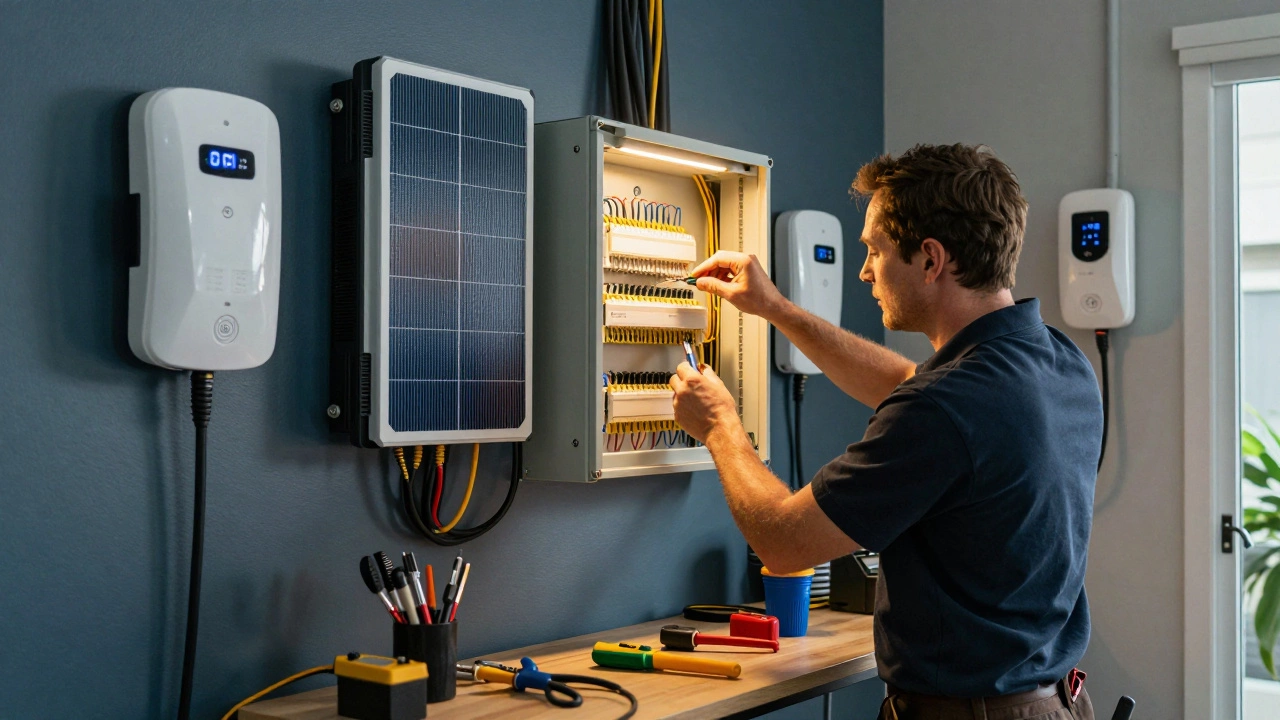
Electricians are the most in-demand trade in construction today. Why? Every single building-homes, shops, warehouses, hospitals-needs electricity. And every upgrade, retrofit, or new build requires more than just wires. Modern homes have smart panels, solar inverters, EV chargers, and security systems wired into the network. That’s not plug-and-play stuff. It’s precision work.
In Wellington, a qualified electrician earns between $75,000 and $110,000 a year. Apprentices start at $20-$25/hour and climb fast. The trade takes four years to qualify, but you earn while you learn. There’s no waiting for a job to open up-electricians are hired the moment they finish their training. And unlike plumbers or carpenters, electricians don’t just install-they diagnose. If your lights flicker or your breaker trips, you don’t call a general contractor. You call an electrician.
Plumbers aren’t going anywhere
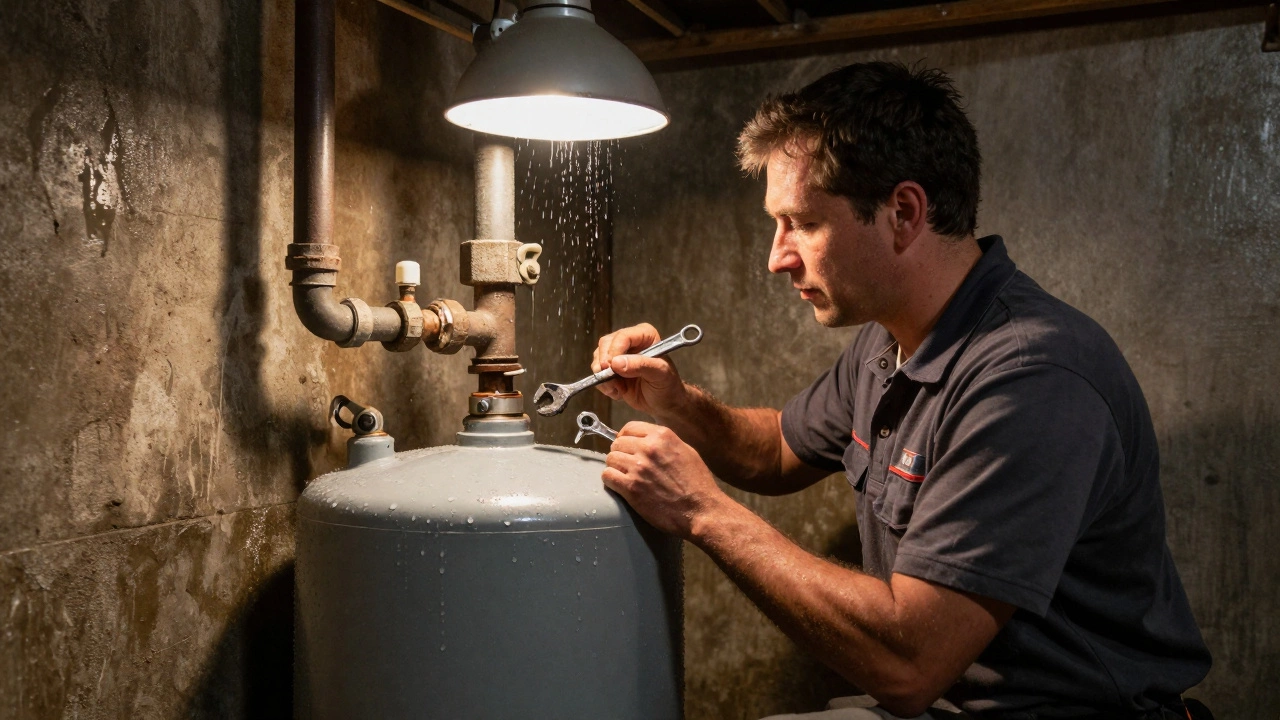
Plumbing is the quiet giant of construction. You don’t notice it until it breaks. Then you panic. That’s why plumbers are always busy. Water pressure, drainage, gas lines, rainwater systems, hot water cylinders-these are systems that don’t age gracefully. In New Zealand, aging housing stock means more retrofits than ever. Older homes built in the 70s and 80s are being rewired and replumbed to meet modern safety standards.
A licensed plumber in Auckland or Christchurch makes $70,000-$95,000. In rural areas, they often run their own businesses. The trade takes four years, and you need to pass strict exams on water safety and gas regulations. You’ll work in crawl spaces, on roofs, and in freezing basements. But you’ll never be out of work. Every house, every apartment, every factory needs water. And someone has to make sure it doesn’t leak, freeze, or back up.
Carpenters: the backbone of every build
Carpentry is the most visible trade. If you’ve ever watched a house go up, you’ve seen carpenters. They frame walls, install roofs, build stairs, and fit windows. But today’s carpenters aren’t just sawing wood. They’re using laser levels, CNC machines, and engineered timber systems. Prefab wall panels, modular kitchens, and timber-frame homes mean carpenters need to read complex blueprints and understand structural engineering.
Good carpenters earn $70,000-$90,000. Senior site supervisors make over $100,000. The trade takes three to four years. What sets carpenters apart is versatility. They’re often the first on site and the last off. They fix problems other trades create. If the electrician’s box doesn’t line up with the stud, the carpenter adjusts it. If the plumber’s pipe runs through the wrong beam, the carpenter cuts and reinforces it. They’re problem solvers with hammers.
Roofers: hard work with high rewards
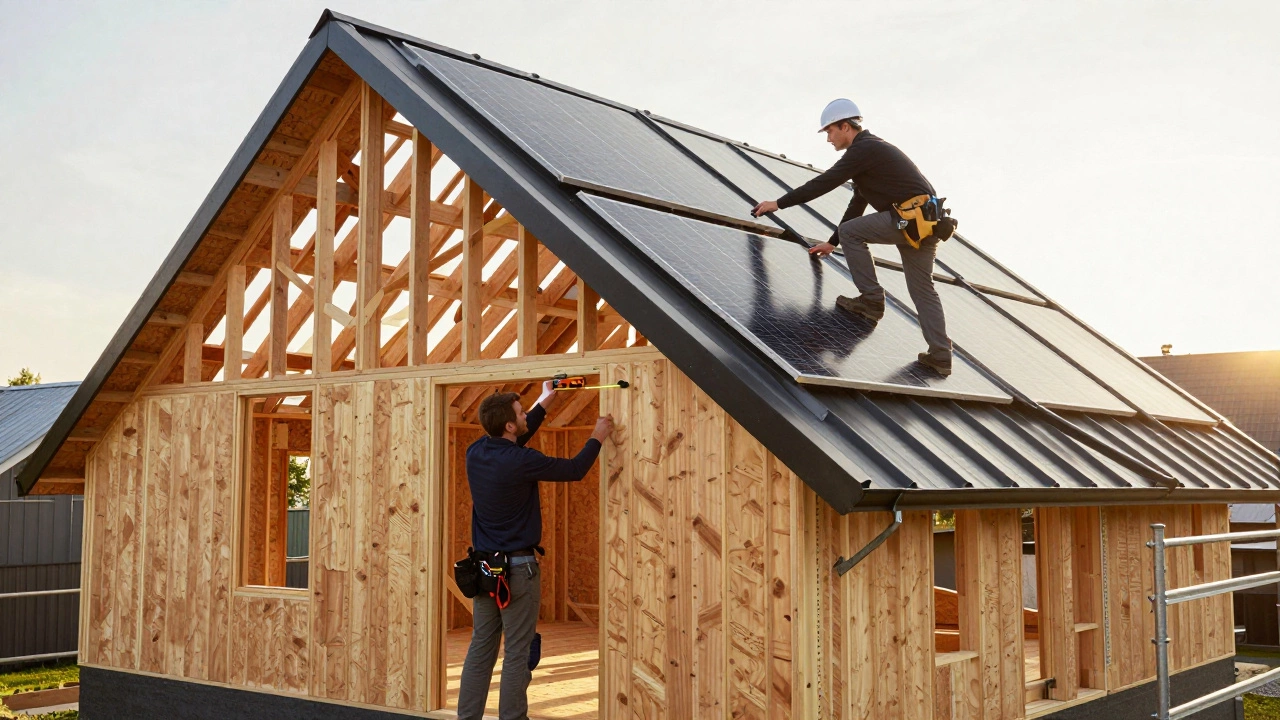
Roofing is one of the toughest trades. You work in the sun, the rain, the wind. You climb ladders, haul heavy rolls of underlayment, and balance on steep pitches. But it’s also one of the most profitable. A skilled roofer in New Zealand earns $70,000-$100,000. Why? Because roofs fail. And when they do, they cause water damage that costs ten times more to fix.
Modern roofing isn’t just shingles. It’s metal cladding, green roofs, solar tile integration, and waterproof membrane systems. Many roofers now specialize in solar installations. That’s a growing niche. Companies are offering bonuses for roofers who can install solar panels without compromising the roof’s integrity. If you’re strong, steady, and don’t mind getting dirty, roofing pays well and rarely has downtime.
Why not other trades?
You might hear people say bricklaying or demolition is the best trade. Bricklaying? It’s slow. Demand dropped after the 2010s housing boom. Demolition? It’s seasonal and often contract-based. HVAC? It’s growing, but requires more certifications and isn’t as universally needed as electricians or plumbers.
Painting? It’s easy to get into, but it’s saturated. Anyone can buy a brush. You’ll compete with part-timers and side-hustlers. Same with tiling. It’s skilled, but you’re often hired for a single room. You don’t get repeat work unless you build a reputation.
What makes a trade "best"?
The "best" trade isn’t about how cool it looks on TikTok. It’s about:
- Consistent demand-Will there be work in 10 years?
- Wage growth-Can you earn over $80k within five years?
- Apprenticeship access-Is there a clear path with paid training?
- Independence-Can you eventually run your own business?
- Resilience-Does it survive economic downturns?
Electricians, plumbers, carpenters, and roofers check every box. They’re not going automated. Robots can’t wire a breaker panel or fix a burst pipe. They’re not outsourced. You can’t ship a roof to China. These are hands-on, local trades that only get more valuable as infrastructure ages.
How to get started
Start by contacting your local trades training center. In New Zealand, Trade Me is a platform where you can find apprenticeship listings and employer reviews. Trade Me Jobs has hundreds of openings. The government also funds apprenticeships through Industry Training Organisations (ITOs)-like Electrical Workers Registration Board or Master Plumbers, Gasfitters and Drainlayers.
Don’t wait for a job fair. Call a local contractor. Ask if they’re taking apprentices. Show up early. Be willing to clean tools, fetch coffee, and learn. The trade doesn’t care about your degree. It cares about your work ethic.
Final thought
The best trade in construction isn’t the flashiest. It’s the one that keeps people safe, warm, and dry. It’s the one that doesn’t rely on trends. If you’re looking for a career that lasts, pays well, and gives you control over your future-pick an electrician, plumber, carpenter, or roofer. The tools will change. The buildings will evolve. But someone will always need to make sure the power flows, the water runs, the walls stand, and the roof stays dry.
Is construction a good career for someone starting at 30?
Absolutely. Many electricians, plumbers, and carpenters start their apprenticeships in their late 20s or early 30s. You’re not too old-you’re just starting later than others. The trade values experience, not youth. In fact, older apprentices often bring better discipline, time management, and work ethic. The government even offers subsidies for mature learners in New Zealand.
Do I need to be physically strong to be a carpenter or roofer?
You need endurance, not brute strength. Modern tools reduce heavy lifting. Power saws, lifts, and mechanical hoists handle most of the weight. What matters more is balance, coordination, and attention to detail. A roofer who’s careful and precise lasts longer than one who’s just strong. Same with carpentry-accuracy beats muscle.
Can I become an electrician without a high school diploma?
In New Zealand, you need basic literacy and numeracy skills, but not necessarily a formal high school diploma. You’ll need to pass a pre-apprenticeship assessment that tests math, reading, and problem-solving. Many training providers offer bridging courses to help you get up to speed. The trade cares about your ability to read schematics and follow safety codes-not your report card.
How long does it take to become fully qualified?
Most construction trades take four years to qualify. You’ll complete 4,800 hours of on-the-job training and 12-16 weeks of classroom learning each year. After that, you take a final assessment. Once you pass, you’re licensed. Electricians and plumbers need to register with national boards. Carpenters and roofers don’t always need formal registration, but employers require proof of training.
Are there women in these trades?
Yes-and their numbers are growing. In 2025, over 12% of apprentices in New Zealand’s electrical and plumbing trades were women. Companies are actively recruiting women because they bring different perspectives and improve team dynamics. Training centers now offer women-only intake programs and mentorship networks. It’s not easy, but it’s possible-and more supported than ever.
If you’re thinking about a construction trade, don’t overthink it. Pick one that matches your interests, start learning, and show up every day. The industry doesn’t need more talkers. It needs more doers.
Author
Damon Blackwood
I'm a seasoned consultant in the services industry, focusing primarily on project management and operational efficiency. I have a passion for writing about construction trends, exploring innovative techniques, and the impact of technology on traditional building practices. My work involves collaborating with construction firms to optimize their operations, ensuring they meet the industry's evolving demands. Through my writing, I aim to educate and inspire professionals in the construction field, sharing valuable insights and practical advice to enhance their projects.