Construction Material Selector
Project Details
Climate Considerations
Key factors for your location:
Coastal: Corrosion resistance required
Earthquake Zone: Flexibility and seismic resistance
Cold Climate: Thermal insulation
Hot Climate: Heat resistance
Humid Climate: Moisture resistance
Recommended Materials
When you walk past a new house being built or see a bridge going up, have you ever wondered what exactly it’s made of? It’s not just one thing. Construction material isn’t a single item-it’s a whole family of substances, each chosen for a specific job. Some hold weight. Some keep heat in. Some resist fire or water. Knowing what each material does-and when to use it-can help you understand why buildings last, why they crack, or why some cost more than others.
Concrete: The Backbone of Modern Buildings
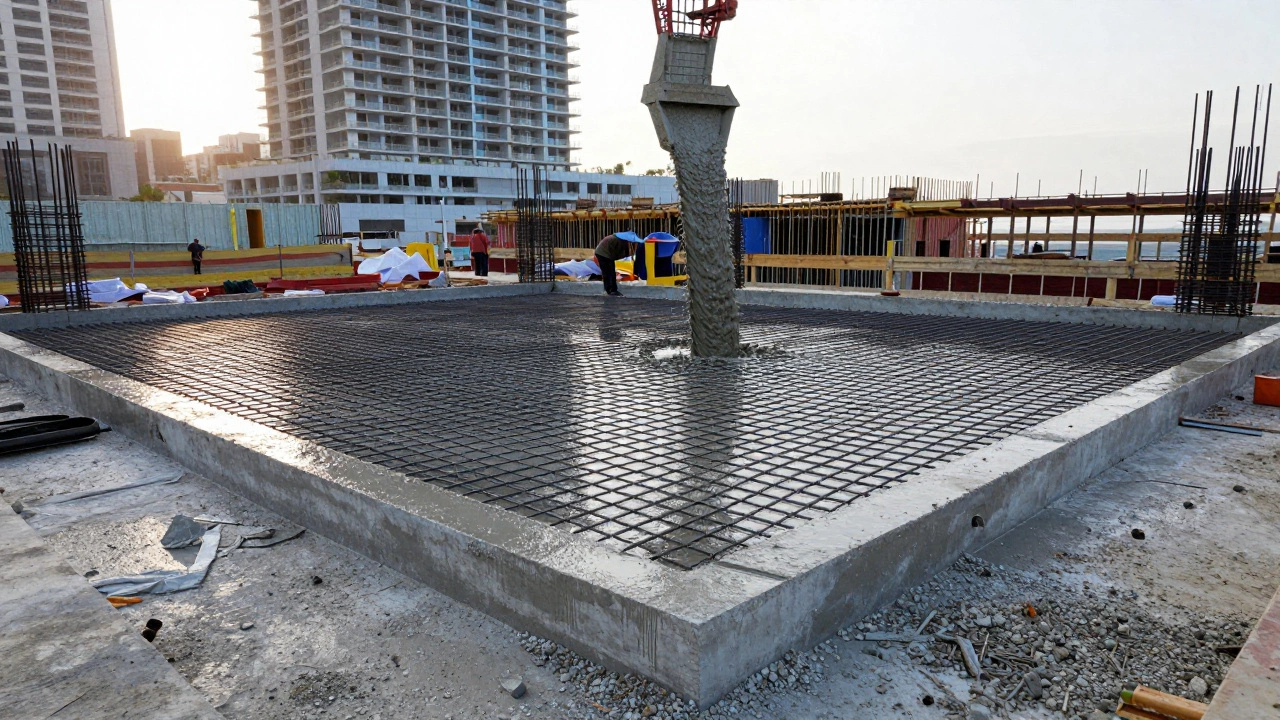
Concrete is the most used construction material on Earth. You see it in sidewalks, highways, dams, and high-rise apartments. It’s made from cement, sand, gravel, and water. When mixed, it’s pourable. After it dries, it becomes rock-hard. A typical concrete mix can handle 2,500 to 5,000 psi of pressure. That’s enough to support a 20-story building. Reinforced concrete adds steel bars inside, which stops it from cracking under tension. Without steel, concrete would break easily when bent. That’s why bridges and parking garages always have those visible metal grids inside.
Concrete doesn’t just last-it adapts. In New Zealand, we use special mixes for earthquake zones. These include fibers that help the material flex without snapping. It’s not glamorous, but without concrete, modern cities wouldn’t exist.
Timber: The Natural Choice
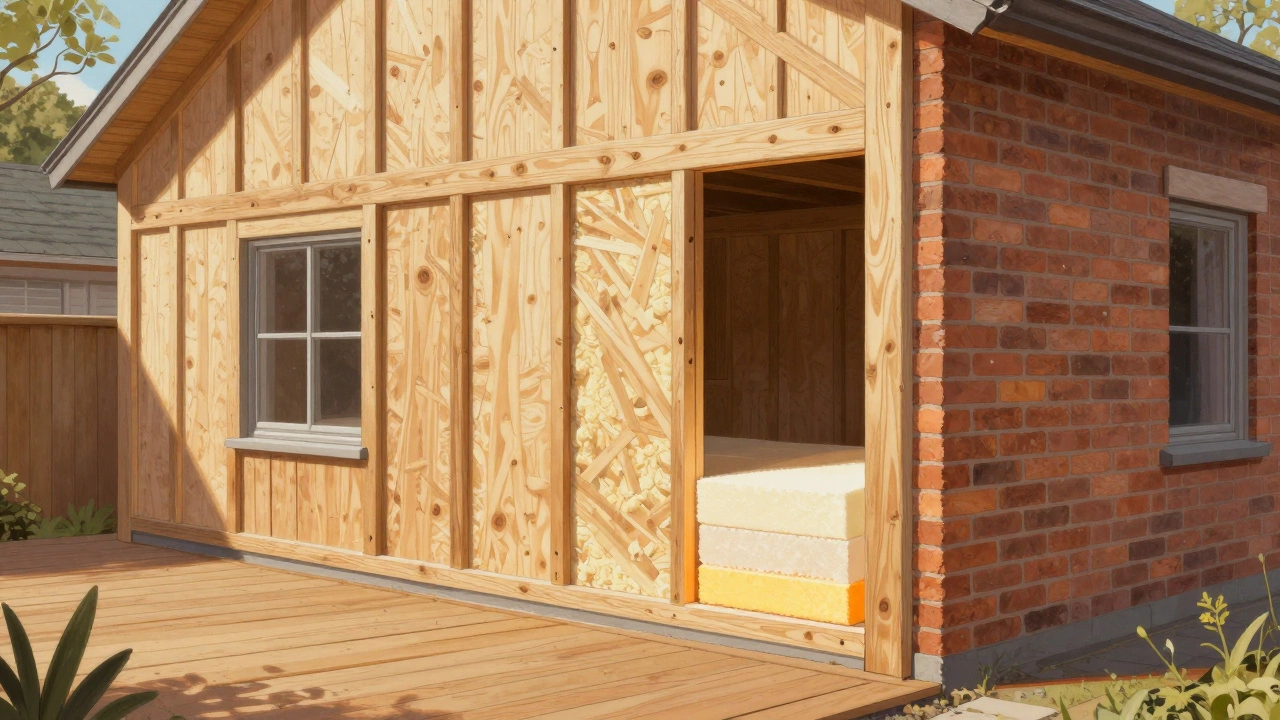
Wood has been used for building for thousands of years. Today, it’s still one of the most popular materials for homes, especially in places like New Zealand, Canada, and Scandinavia. Modern timber isn’t just raw logs. It’s engineered-layers glued together to make beams, panels, and even entire floors. Cross-laminated timber (CLT) is a game-changer. It’s strong enough for six-story buildings and burns slower than steel in a fire because it chars on the outside, protecting the inside.
Timber is also lightweight and easy to cut on-site. That means faster builds and less waste. But it’s not foolproof. If it gets wet and stays wet, it rots. That’s why proper drainage and ventilation matter. In coastal areas like Wellington, treated pine or cedar is common because it resists moisture and bugs better than regular wood.
Steel: Strength in Thin Layers
Steel is what lets buildings go higher than ever before. Think of the Auckland Harbour Bridge or the Sky Tower. Steel frames carry loads that concrete alone couldn’t handle. It’s made mostly of iron and carbon, with small amounts of other metals to improve strength and flexibility. Structural steel comes in beams, columns, and sheets. A single I-beam can support over 50 tons.
One big advantage? Steel is 100% recyclable. Many new buildings use steel that came from old cars, appliances, or demolished structures. But steel has a downside: it rusts if exposed to moisture. That’s why it’s often coated with zinc (galvanized) or painted with special anti-corrosion layers. In salty coastal air, like here in Wellington, you need extra protection-or you’ll see rust stains in just a few years.
Brick and Stone: Old School, Still Strong
Brick is one of the oldest construction materials still in use. Made from clay baked at high heat, brick is dense, fireproof, and lasts for centuries. A well-built brick wall can last 100+ years with almost no maintenance. It’s also great at regulating temperature. Brick absorbs heat during the day and releases it slowly at night. That’s why older homes in Europe and New Zealand’s historic suburbs feel warmer in winter and cooler in summer.
Stone, whether natural granite or manufactured stone veneer, is used mostly for looks and durability. It’s expensive and heavy, so it’s rarely used for whole walls anymore. But as a facing or chimney, it adds value and character. Stone doesn’t rot, rust, or burn. It just sits there-quiet, solid, and unchanging.
Insulation: The Invisible Hero
Most people don’t think of insulation as a construction material. But it is. Without it, your heating bill doubles. Insulation traps air to slow heat flow. Common types include fiberglass (glass fibers in batts), polystyrene foam (blue or white boards), and cellulose (recycled paper treated with fire retardant).
In New Zealand, building codes require R-values of at least R2.6 for walls and R4.0 for ceilings. That means insulation must resist heat flow that much. A home with proper insulation can cut energy use by 40%. It’s not flashy, but it’s one of the most cost-effective materials you can install. And unlike steel or concrete, insulation doesn’t last forever. Fiberglass can sag. Foam can break down. Most need replacing every 15-20 years.
Plastics and Composites: The New Kids on the Block
Plastic isn’t just for bottles anymore. PVC pipes, vinyl siding, and composite decking are now standard in homes. Composite decking, made from wood fibers and recycled plastic, doesn’t rot or need painting. It’s popular for decks and patios because it lasts longer than real wood and doesn’t splinter.
Polycarbonate sheets are used for skylights and greenhouses. They’re 200 times stronger than glass and weigh half as much. New materials like aerogel insulation-so light it floats-are starting to appear in high-end builds. They’re expensive, but they’re the thinnest insulation you can get while still meeting code.
How to Choose the Right Material
There’s no single best material. The right one depends on:
- Location: Coastal? Use corrosion-resistant steel and treated timber. Earthquake zone? Use reinforced concrete and flexible joints.
- Climate: Cold winters? Prioritize insulation and thermal mass (like brick). Hot, humid? Use materials that resist mold and moisture.
- Budget: Concrete and steel are upfront expensive but low-maintenance. Timber is cheaper to install but needs regular upkeep.
- Goal: Want to build fast? Use prefab panels. Want to last 100 years? Go with brick and stone.
Some builders mix materials for the best results. A house might have a timber frame, concrete foundation, brick cladding, and foam insulation. Each part does its job.
What Happens When You Get It Wrong?
Bad material choices lead to big problems. A house built with untreated timber in a damp basement will rot in 5-10 years. A steel frame without proper coating in a salty environment will corrode from the inside out. Concrete poured in freezing temperatures cracks as the water inside expands.
In 2023, a report from the Building Performance Association found that 38% of new builds in New Zealand had moisture issues-mostly because insulation was installed wrong or materials weren’t suited to the site. It’s not the material’s fault. It’s how it was used.
What’s Changing Now?
Construction materials are evolving fast. In 2025, we’re seeing more:
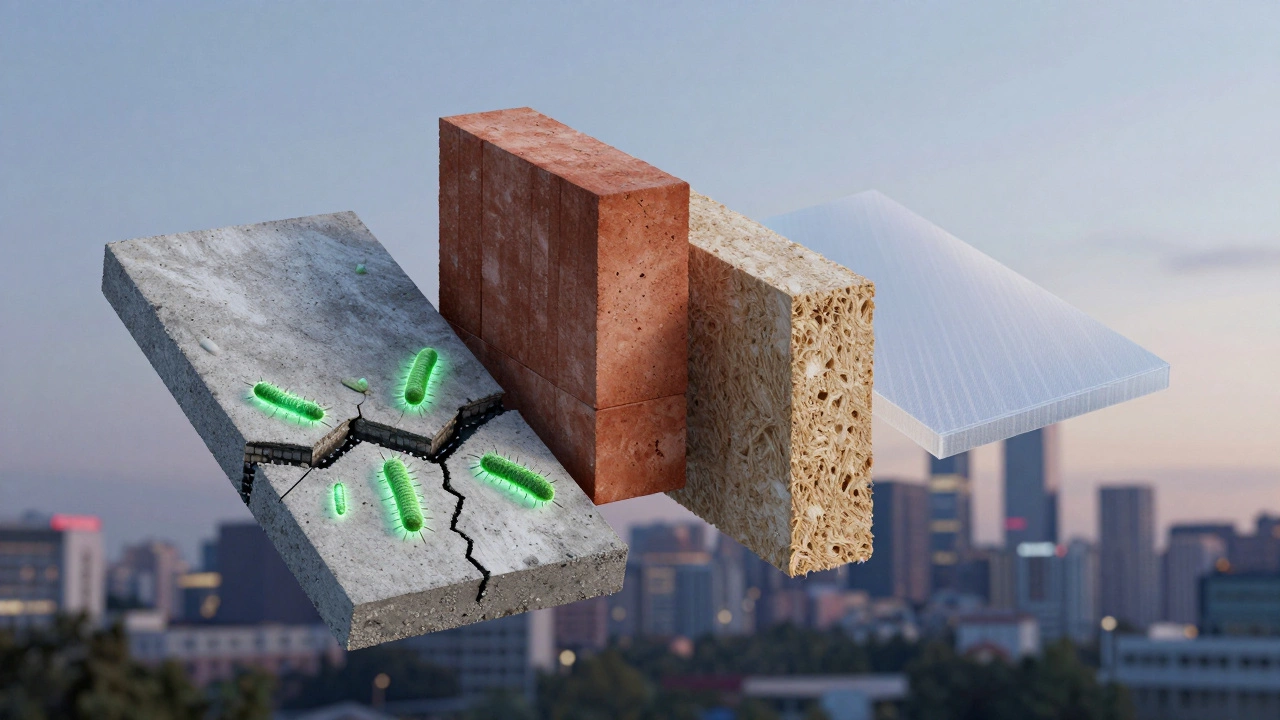
- Carbon-negative concrete-made with captured CO2 instead of emissions.
- Hempcrete-a mix of hemp fibers and lime that sequesters carbon as it cures.
- Recycled plastic bricks-made from ocean plastic, used in low-cost housing projects.
- Self-healing concrete-contains bacteria that activate when water leaks in, sealing cracks automatically.
These aren’t sci-fi. They’re already being tested in New Zealand and Australia. The goal? Build stronger, greener, and smarter.
What is the most common construction material?
Concrete is the most common construction material worldwide. It’s used in foundations, roads, bridges, and buildings because it’s cheap, strong, and versatile. Around 30 billion tons of concrete are produced each year-more than all other materials combined.
Is wood a good construction material?
Yes, wood is excellent for many uses, especially in homes and low-rise buildings. Engineered timber like CLT is now strong enough for six-story buildings. It’s renewable, insulates well, and has a lower carbon footprint than steel or concrete. But it must be treated for moisture and insects, especially in damp climates.
What material is best for insulation?
The best insulation depends on your needs. Fiberglass is affordable and widely used. Spray foam offers the highest R-value per inch and seals air leaks. Cellulose is eco-friendly, made from recycled paper. For maximum efficiency, combine materials-foam on walls, fiberglass in attics.
Can you mix different construction materials?
Absolutely. Most buildings use multiple materials. A typical house might have a concrete foundation, steel frame, timber walls, brick exterior, and foam insulation. Each material plays to its strength: concrete for weight, steel for height, wood for ease of build, brick for durability, and insulation for comfort.
Are new construction materials better than old ones?
Not always. Old materials like brick and timber have stood the test of time. New materials like carbon-negative concrete or self-healing concrete offer advantages in sustainability and performance, but they’re often more expensive. The best approach is to use the right material for the job-not just the newest one.
If you’re planning a build, don’t just pick materials because they look good. Ask: What’s the climate? What’s the budget? What’s the lifespan? The answer will guide you better than any trend.
Author
Damon Blackwood
I'm a seasoned consultant in the services industry, focusing primarily on project management and operational efficiency. I have a passion for writing about construction trends, exploring innovative techniques, and the impact of technology on traditional building practices. My work involves collaborating with construction firms to optimize their operations, ensuring they meet the industry's evolving demands. Through my writing, I aim to educate and inspire professionals in the construction field, sharing valuable insights and practical advice to enhance their projects.