
When you’re planning a new home, a renovation, or even a small extension, you’ll hear two terms thrown around: builder and construction company. They sound like the same thing - until you’re stuck in a contract mess because you didn’t know the difference.
Here’s the truth: not all builders are construction companies. And not every construction company acts like a builder. Mixing them up can cost you time, money, and peace of mind.
What a Builder Actually Does
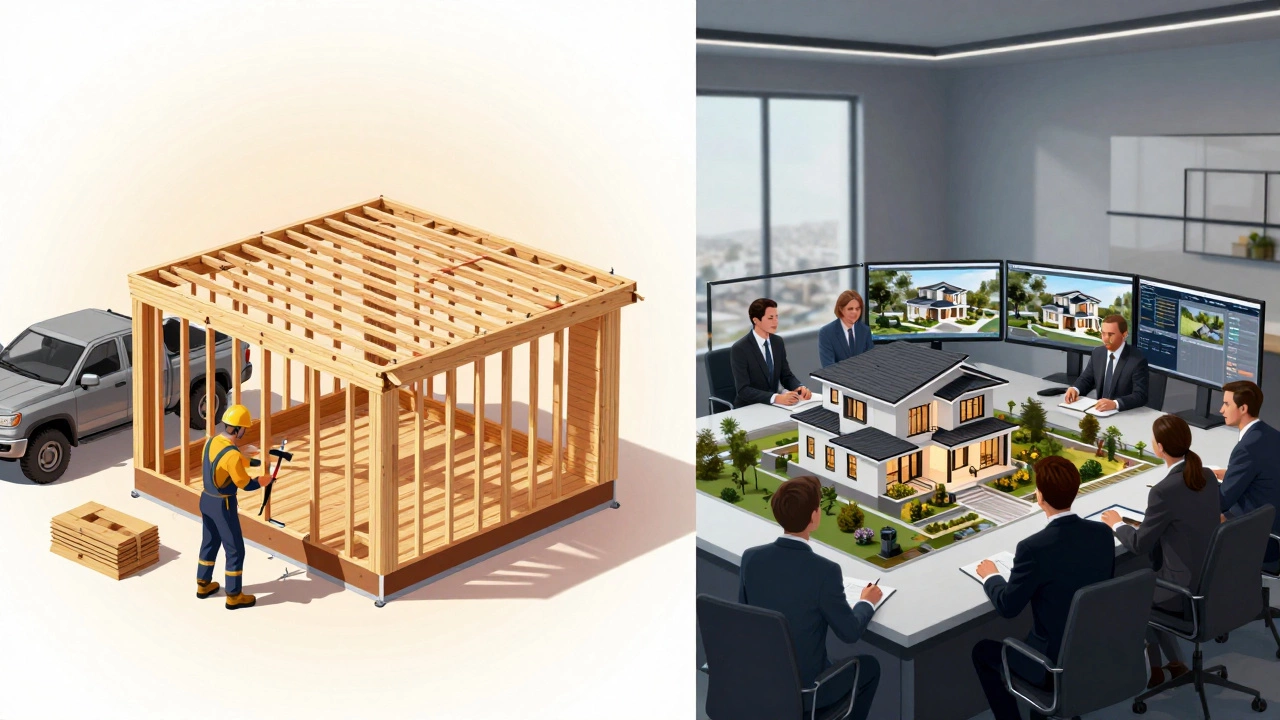
A builder is usually an individual or a small team who handles the hands-on work of putting up a structure. Think of them as the person who shows up with tools, nails, and a truck full of timber. They’re often licensed to carry out residential work - like building a house from scratch, adding a deck, or knocking down a wall to open up a kitchen.
In New Zealand, a builder typically holds a Licensed Building Practitioner (LBP) certification. That means they’re legally allowed to do restricted building work - things like framing, roofing, or waterproofing. Most builders work directly with homeowners. They might subcontract electricians or plumbers, but they’re the one managing the day-to-day on-site work.
Builders are often found through word-of-mouth. You might know one because they built your neighbor’s garage or fixed up their bathroom. They’re practical, responsive, and usually cheaper for smaller jobs. But here’s the catch: they don’t always handle permits, design, or project management beyond the build itself.
What a Construction Company Actually Does
A construction company is a business entity - often incorporated - that takes on larger, more complex projects. They don’t just build. They plan, coordinate, finance, and deliver entire projects from concept to completion. They might manage multiple sites at once, employ architects, engineers, and project managers, and have dedicated teams for compliance, procurement, and quality control.
Construction companies often work on commercial buildings, multi-unit developments, or large-scale residential projects like subdivisions. But they also take on high-end custom homes that require detailed design, multiple trades, and long timelines. They handle everything: permits, engineering reports, council inspections, supply chain logistics, and even temporary site facilities.
Unlike a builder, a construction company doesn’t usually show up with a hammer. They show up with a project plan, a budget spreadsheet, and a team of 15 people. Their clients are often investors, developers, or homeowners who want a turnkey solution - no stress, no micromanaging.
Key Differences at a Glance
It’s easy to confuse them because both can build houses. But here’s how they really differ:
| Feature | Builder | Construction Company |
|---|---|---|
| Typical Project Size | Single homes, small renovations, extensions | Large homes, multi-unit builds, commercial projects |
| Team Structure | 1-5 people, often owner-operated | 10+ staff, specialized roles (PMs, engineers, designers) |
| Licensing | Licensed Building Practitioner (LBP) | Company registration, may hold multiple LBPs on staff |
| Project Management | Owner manages subcontractors | Full project management included |
| Design Services | Usually not included - you bring your plans | Often includes in-house design or partnerships with architects |
| Permit Handling | May assist, but client often responsible | Handles all council applications and compliance |
| Cost Structure | Fixed price or cost-plus, often lower upfront | Fixed-price contracts, higher upfront cost but all-inclusive |
When to Hire a Builder
Go with a builder if:
- You’re doing a kitchen remodel or adding a bedroom
- You already have approved plans from an architect
- You want to keep costs low and manage parts of the project yourself
- You prefer direct, personal communication - you talk to the person swinging the hammer
- Your project is under $200,000 NZD
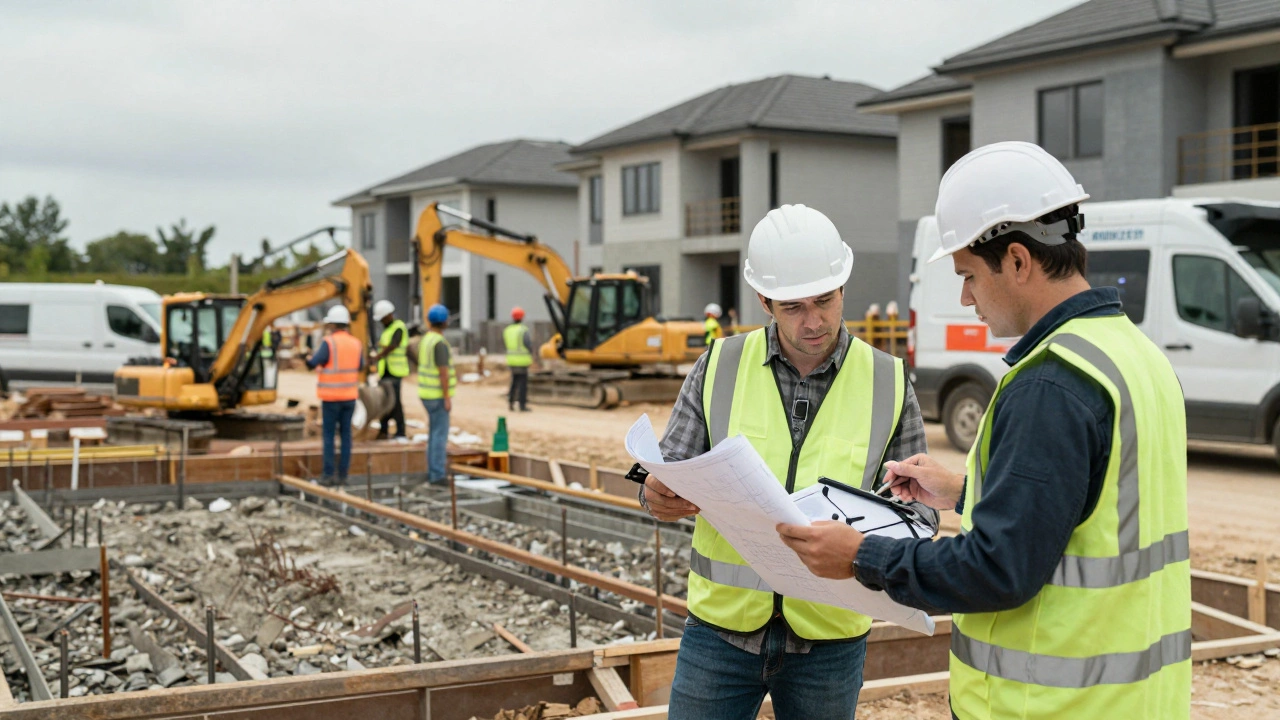
Builders are great for straightforward jobs where you know exactly what you want. They’re flexible, fast, and don’t bury you in paperwork. But if you’re unsure about permits, materials, or timelines - you’ll need to do the legwork yourself.
When to Hire a Construction Company
Choose a construction company if:
- You’re building a new home from the ground up
- You want a single point of contact for everything - design, permits, build, inspections
- Your project is over $300,000 NZD or involves multiple trades
- You don’t have time to manage subcontractors or chase down suppliers
- You need engineering reports, geotechnical surveys, or complex compliance
Construction companies take the weight off your shoulders. You give them your vision, and they deliver a finished product. You pay more, but you get certainty. No surprises. No delays from miscommunication. No missed permits that halt your build.
The Hidden Risk of Choosing Wrong
One client in Porirua hired a builder for a $450,000 home extension. The builder said he’d handle everything. Three months in, the council shut down the site because the footing design wasn’t stamped by a structural engineer. The builder didn’t have the expertise - and the client had to pay $60,000 extra to fix it.
Another client in Takapuna hired a construction company for a $1.2 million new build. They got a full design package, all permits approved before ground was broken, and a fixed-price contract with penalties for delays. The project finished on time, no hidden fees.
The difference isn’t just price. It’s risk. A builder might save you money upfront - but if something goes wrong, you’re on the hook. A construction company absorbs that risk because they’re structured to handle it.
How to Tell Them Apart
Here’s how to spot the real difference when you’re looking at quotes:
- Ask: “Do you have an in-house design team?” - If they say no, they’re likely a builder.
- Ask: “Who handles the resource consent?” - Builders often say “you’ll need to get that.” Construction companies say “we’ll handle it.”
- Check their website: Do they list past projects with photos and descriptions? Or just a list of services? Real construction companies show completed builds.
- Ask for their company registration number. Builders are often sole traders. Construction companies are registered businesses with a NZBN.
- Ask how many projects they’re running at once. A builder might be doing 2-3. A construction company might be doing 8-10.
What About Building Contractors?
You’ll also hear the term “building contractor.” That’s actually a legal term in New Zealand. It’s not a brand - it’s a license category. All licensed builders are building contractors. But not all building contractors are the same.
A building contractor can be a sole trader (a builder) or a registered company (a construction company). So the term doesn’t tell you the size or scope - just that they’re legally allowed to do restricted building work.
Don’t get fooled by labels. Look at what they actually do, not what they call themselves.
Final Advice: Match the Tool to the Job
There’s no right or wrong choice - only the right choice for your situation.
If you’re doing a small job, want control, and have time to learn - go with a builder. They’re skilled, affordable, and personal.
If you’re building something big, complex, or life-changing - hire a construction company. You’re not paying for a hammer. You’re paying for experience, systems, and accountability.
Either way, check their credentials. Ask for references. Visit a job site. And never sign a contract without knowing exactly what’s included - and what’s not.
The right person for your build isn’t the cheapest. It’s the one who understands your project - and has the structure to deliver it without breaking your trust.
Can a builder legally handle a full new home build?
Yes, a licensed builder can legally handle a full new home build in New Zealand if they hold the right LBP endorsements - like structural framing, roofing, or external plastering. But most builders avoid large-scale projects because they lack the systems to manage permits, engineering, and multiple subcontractors efficiently. It’s legal, but risky without support.
Do construction companies charge more than builders?
Yes, construction companies usually charge more upfront - often 15-30% higher than a builder for the same house. But that price includes design coordination, project management, permit handling, and risk mitigation. Many homeowners find they save money in the long run by avoiding delays, change orders, and legal issues.
Can I switch from a builder to a construction company mid-project?
Technically yes, but it’s messy. You’ll need to terminate your existing contract, pay for completed work, and bring in a new team to review plans and permits. Most construction companies won’t take on a half-built project unless it’s well-documented. It’s far easier to choose the right partner from the start.
Do I need an architect if I hire a construction company?
Not always. Many construction companies have in-house designers or partner with architects. For simple projects, they can create buildable plans without hiring a separate architect. For complex or custom homes, especially with unique layouts or heritage requirements, an architect adds value - and the company will usually recommend one.
How do I verify if a builder or company is legitimate?
Check the Licensed Building Practitioner register at lbp.govt.nz for individual builders. For companies, search the NZ Companies Register at companies.govt.nz to confirm registration, status, and directors. Ask for proof of insurance - specifically, domestic building insurance (DBI) for projects over $20,000. Never work with someone who won’t show you these documents.
If you’re still unsure, start with a consultation. Most builders and construction companies offer free initial meetings. Use that time to ask questions, feel out their process, and see who communicates clearly. Your build is one of the biggest investments you’ll make - don’t let a label decide for you.
Author
Damon Blackwood
I'm a seasoned consultant in the services industry, focusing primarily on project management and operational efficiency. I have a passion for writing about construction trends, exploring innovative techniques, and the impact of technology on traditional building practices. My work involves collaborating with construction firms to optimize their operations, ensuring they meet the industry's evolving demands. Through my writing, I aim to educate and inspire professionals in the construction field, sharing valuable insights and practical advice to enhance their projects.