New Build Durability Risk Checker
Select the factors that apply to your potential new build or current project to estimate its long-term durability risk.
Risk Assessment Result
Select options on the left and click calculate to see your risk profile.
You’ve heard the stories. That neighbor who bought a shiny new home in 2018 and is already dealing with cracking walls. Or the news headline about a development where doors won’t close because the timber warped within two years. It’s easy to assume that "new" means "perfect," but when it comes to housing, age doesn't always equal quality. In fact, many buyers are asking: are new builds durable? The answer isn’t a simple yes or no. It depends heavily on materials, craftsmanship, and how strictly builders adhere to evolving standards.
In Wellington, where we face wind, rain, and seismic activity, this question hits home. A house needs to last decades, not just look good for the first five years. Let’s break down what actually determines the longevity of a modern home, why some fail early, and how you can spot a solid build before you sign on the dotted line.
The Speed vs. Quality Trade-Off
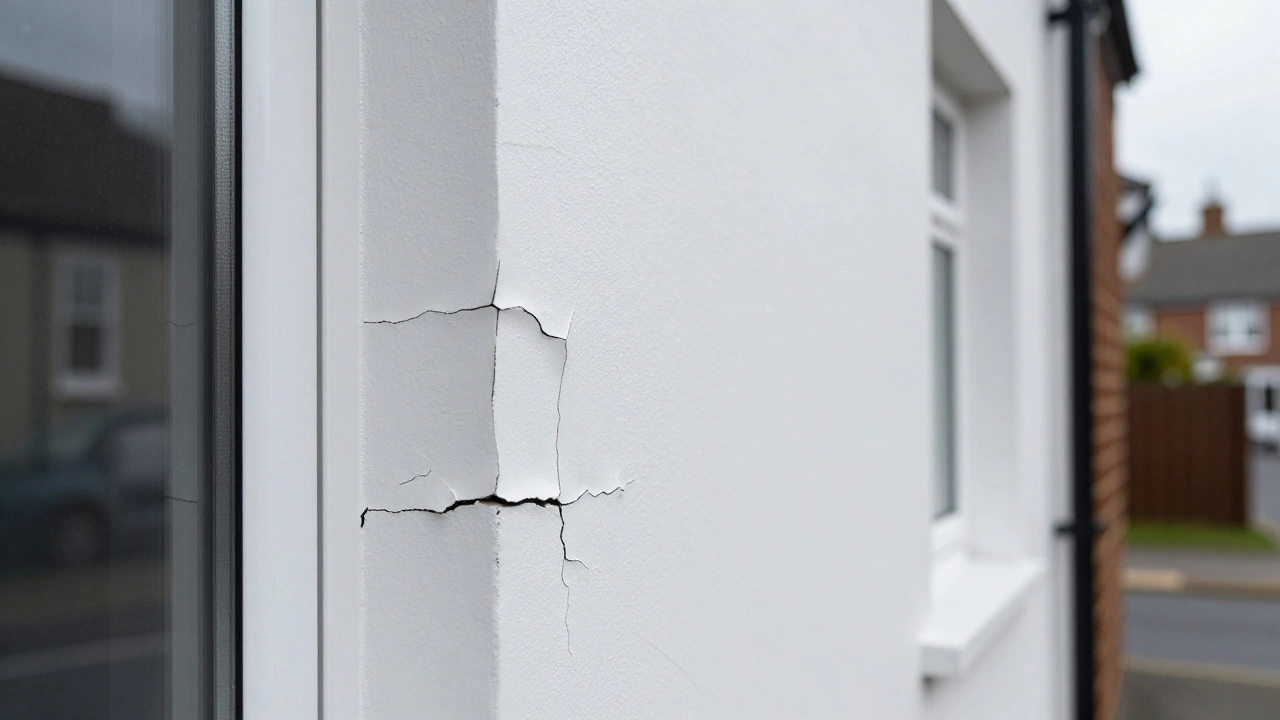
One of the biggest criticisms of new builds is speed. Developers operate on tight margins and strict timelines. When a builder rushes to meet a handover date, corners get cut. This isn’t necessarily about using bad materials; it’s often about poor workmanship. Imagine a plasterer finishing a wall too quickly, leaving the joint compound slightly damp before painting. Six months later, as that moisture escapes, cracks appear. This is known as "trade stacking," where multiple trades work simultaneously without allowing proper curing times between steps.
This pressure affects durability directly. A foundation poured in cold weather without proper insulation might take longer to cure, reducing its initial strength. If the next phase starts too soon, you’re building on a compromised base. While major structural failures are rare due to engineering oversight, cosmetic issues-cracks, uneven floors, sticking windows-are common symptoms of rushed processes.
Modern Materials: Innovation or Risk?
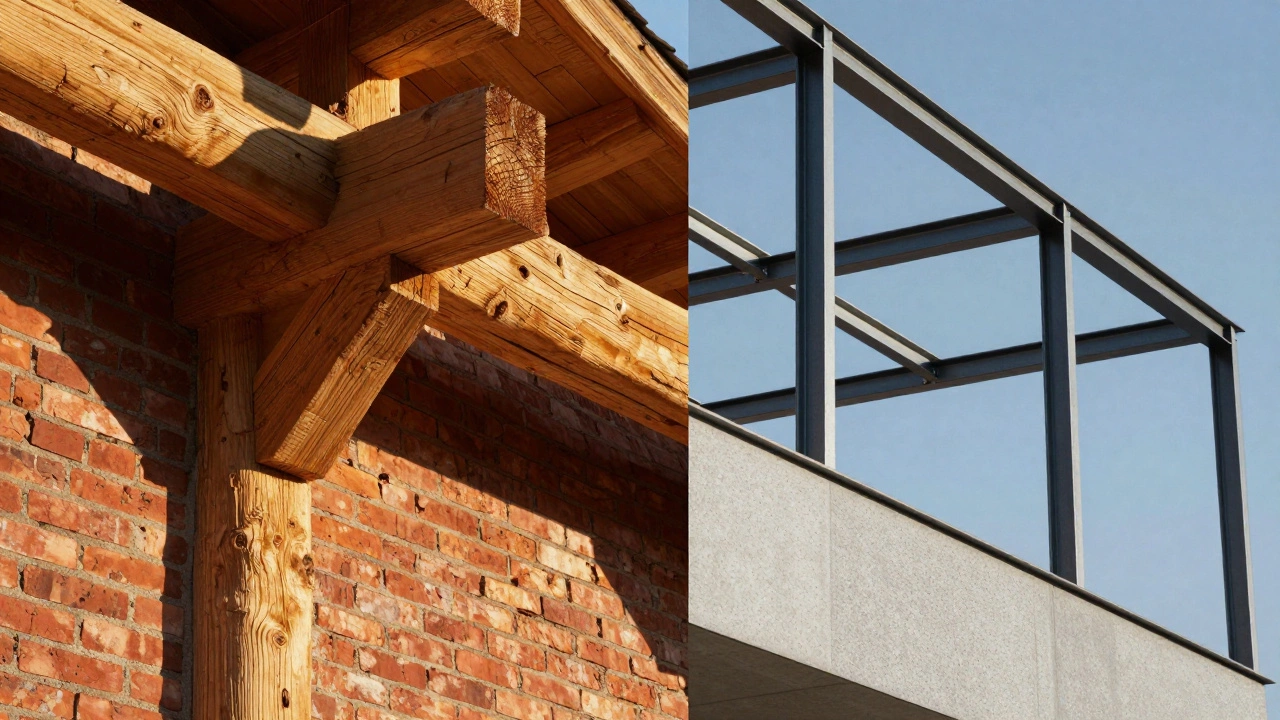
New builds use different materials than homes built fifty years ago. Older houses relied on heavy timber, brick, and natural stone. Today, we see lightweight steel frames, engineered wood products like laminated veneer lumber (LVL), and synthetic cladding. These materials offer benefits: they’re lighter, cheaper, and easier to install. But do they last?
| Material Type | Traditional Example | Modern Equivalent | Durability Factor | Maintenance Needs |
|---|---|---|---|---|
| Frame | Solid Timber | Lightweight Steel / Engineered Wood | High (if protected) | Low |
| Cladding | Brick / Stone | Fiber Cement / Vinyl | Medium (depends on sealant) | Medium |
| Roofing | Tiles / Slate | Metal / Synthetic Shingles | High | Low |
| Insulation | Cellulose / Wool | Rigid Foam Boards | Very High | None |
Engineered wood, for instance, is stronger and more stable than natural timber because the grain is aligned uniformly. However, if water gets into the seams, it can swell and delaminate. Steel frames don’t rot, but they can corrode if the galvanization is scratched during installation. The key isn’t the material itself, but how well it’s installed and maintained. Modern materials are durable *if* treated correctly.
The Role of Building Codes and Regulations
Since the mid-2000s, building codes have tightened significantly. In New Zealand, following events like the Canterbury earthquakes, the Building Code was updated to emphasize seismic resilience and moisture management. These regulations force builders to use better techniques: wider foundations, stronger connections, and improved waterproofing membranes.
This means a new build today is structurally safer than one from thirty years ago. You’re less likely to face catastrophic failure. However, codes set the *minimum* standard, not the ideal. Some builders hit the minimum and stop. Others exceed it. The difference shows up in durability. A house built to code will stand; a house built with care will thrive.
Regulations also cover energy efficiency. Better insulation and double-glazing reduce condensation inside walls. Condensation is a silent killer of durability-it leads to mold, rot, and structural decay. So, ironically, stricter energy rules may be improving long-term durability by keeping buildings drier.
Common Defects That Signal Poor Durability
If you’re worried about whether your new build will hold up, look for these red flags during inspections:
- Cracking around windows and doors: Small hairline cracks are normal as the house settles. But wide, diagonal cracks suggest movement in the foundation or frame.
- Sticking doors or windows: This usually means the frame has twisted or warped, indicating poor alignment or moisture damage.
- Bubbling paint or peeling wallpaper: Often a sign of trapped moisture behind the surface.
- Sloping floors: Could indicate settling issues or inadequate support beams.
- Musty odors: Suggests hidden mold or poor ventilation.
Many of these issues appear within the first two years. This is why most countries offer a warranty period. In New Zealand, the Consumer Guarantees Act implies guarantees of acceptable quality and fitness for purpose. If defects arise, you have legal recourse. But relying on warranties shouldn’t be your primary strategy for ensuring durability.
How to Ensure Your New Build Lasts
You can’t control every aspect of construction, but you can influence the outcome. Here’s how to protect your investment:
- Choose a reputable builder: Look for companies with a track record of completing projects on time and with few callbacks. Check reviews, ask for references, and visit previous sites.
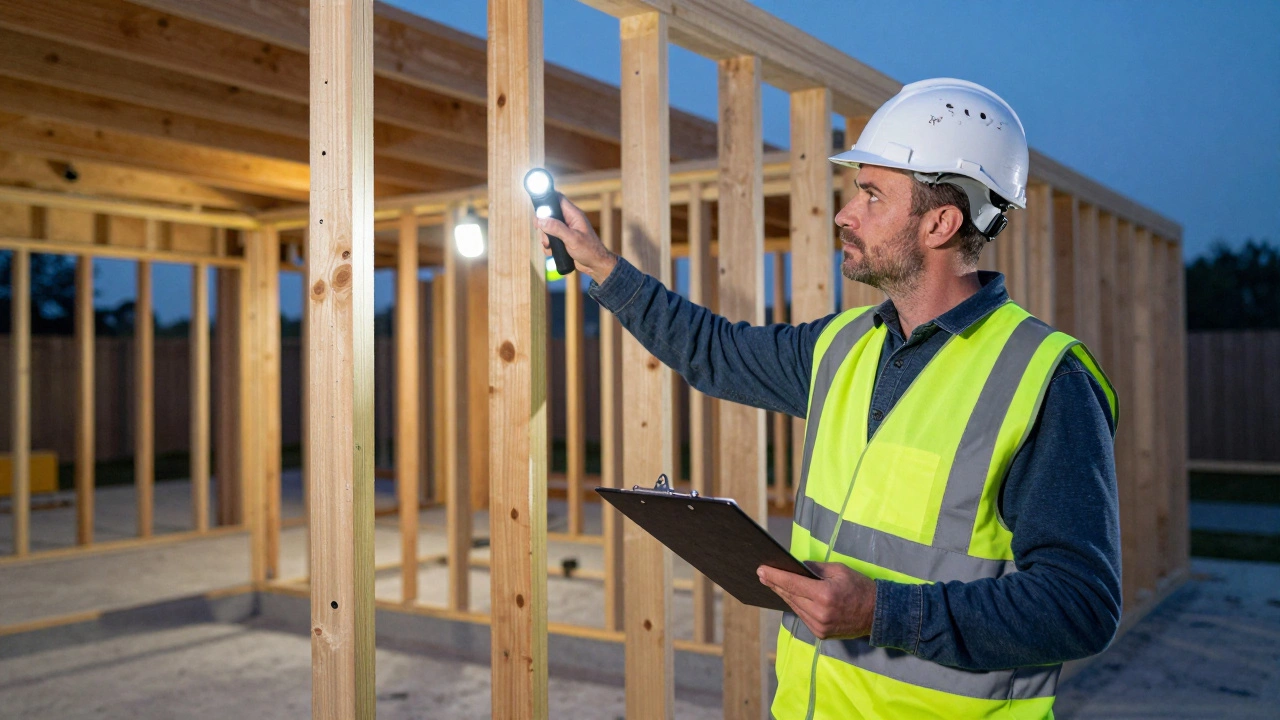
- Hire an independent inspector: Don’t rely solely on the council’s checks. A private inspector can catch subtle issues before they become major problems. Schedule inspections at key stages: foundation, framing, pre-cladding, and final completion.
- Review the specifications: Ask for detailed lists of materials. Are they using high-grade timber? Is the waterproofing membrane from a trusted brand? Cheap materials save money upfront but cost more later.
- Understand the warranty: Know what’s covered and for how long. Structural defects typically have longer coverage periods than cosmetic ones.
- Maintain proactively: Even the best-built house needs care. Clean gutters, check seals, and address leaks immediately. Prevention is cheaper than repair.
The Verdict: Are New Builds Worth It?
New builds are generally more durable than older homes in terms of structural safety and energy performance. They benefit from modern engineering, better materials, and stricter codes. However, they are also more vulnerable to workmanship errors due to faster construction cycles. The risk isn’t that the house will collapse; it’s that you’ll deal with annoying, expensive fixes for years.
If you buy from a responsible developer who prioritizes quality over speed, your new build should serve you well for decades. If you cut costs or ignore inspections, you might regret it. Durability isn’t guaranteed by the label "new." It’s earned through careful planning, skilled labor, and honest oversight.
How long should a new build last without major repairs?
A well-constructed new build should require only routine maintenance for the first 10-15 years. Major structural components like the foundation and frame should last 50+ years. Cosmetic elements like paint and flooring may need refreshing sooner.
Are new builds more prone to settling cracks?
Yes, all houses settle. New builds often show minor hairline cracks in the first year as materials adjust to environmental conditions. These are usually cosmetic. Wide or growing cracks indicate serious structural issues.
What is the most common defect in new builds?
Moisture-related issues are the top complaint. This includes leaking roofs, poor sealing around windows, and condensation leading to mold. Proper waterproofing and ventilation are critical to preventing these problems.
Does buying off-the-plan affect durability?
Buying off-the-plan carries higher risk because you can’t inspect the actual build. You rely entirely on the developer’s reputation and specifications. Always hire an independent consultant to review plans and monitor construction progress.
How do I know if my builder cuts corners?
Signs include frequent changes in subcontractors, lack of documentation for materials, refusal to allow third-party inspections, and rushing through phases. Transparency is key. Good builders welcome scrutiny.
Author
Damon Blackwood
I'm a seasoned consultant in the services industry, focusing primarily on project management and operational efficiency. I have a passion for writing about construction trends, exploring innovative techniques, and the impact of technology on traditional building practices. My work involves collaborating with construction firms to optimize their operations, ensuring they meet the industry's evolving demands. Through my writing, I aim to educate and inspire professionals in the construction field, sharing valuable insights and practical advice to enhance their projects.