Roof Replacement Cost Estimator
Estimate Breakdown
Quick Price Check
- Fair for $30k: Medium-to-large homes (2,500+ sq ft), high-end materials (slate, metal), or steep pitches.
- Overpriced for $30k: Small cottages, simple flat roofs, or basic 3-tab shingles on a small footprint.
- Underpriced for $30k: Massive luxury estates or complex commercial-grade residential roofs.
The "Square" System: How Contractors Calculate Your Bill
If you've ever wondered why roofers don't just use square feet, it's because they use "squares." A Roofing Square is a 10-by-10-foot area, totaling 100 square feet. When a contractor says your roof is "30 squares," they mean 3,000 square feet of surface area. Why does this matter for your $30,000 quote? Because labor and materials are priced per square. If you have a 30-square roof and your total is $30,000, you're paying $1,000 per square. In most U.S. markets, standard Asphalt Shingles usually cost between $400 and $800 per square installed. If you're paying $1,000 for basic shingles, you're likely overpaying unless you live in an extremely high-cost city or have a roof that's nearly impossible to climb.Material Matters: From Budget to Luxury
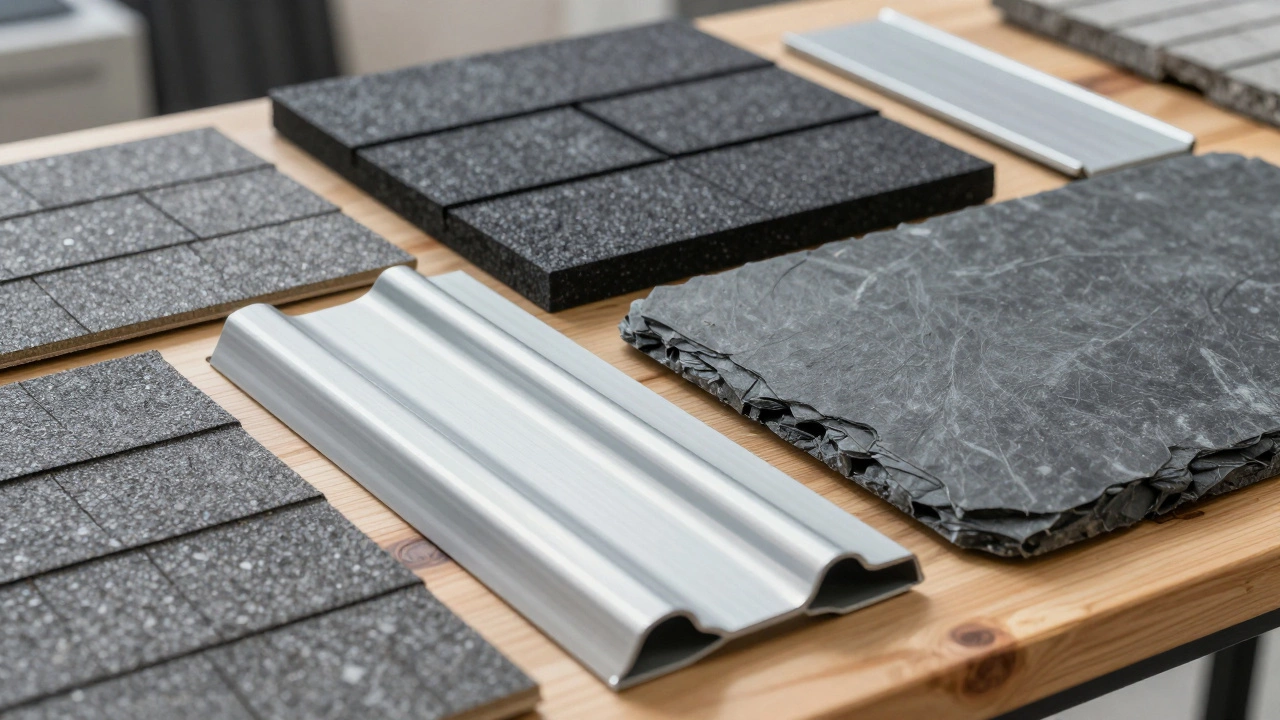
Your choice of material is the biggest lever in your final price. You aren't just paying for the look; you're paying for the lifespan and the installation difficulty. For example, Architectural Shingles, which are thicker and more durable than traditional 3-tab shingles, cost more upfront but last 20-30 years. Then you have the high-end options. If your $30,000 quote is for a Metal Roof (like standing seam steel), that's actually quite reasonable. Metal is far more expensive to manufacture and requires specialized labor to install. Similarly, slate or clay tiles can easily push a project well beyond $30,000 because of their weight and the need for structural reinforcement in your attic.| Material | Avg. Cost per Square | Lifespan | Durability |
|---|---|---|---|
| 3-Tab Shingles | $300 - $500 | 15-20 Years | Low |
| Architectural Shingles | $450 - $800 | 25-30 Years | Medium |
| Standing Seam Metal | $900 - $1,500 | 50+ Years | High |
| Slate / Tile | $1,200 - $2,500 | 75-100 Years | Very High |
Hidden Cost Drivers That Bump the Total
It's rarely just about the shingles. When a contractor hits $30,000, they are often accounting for a full "system" replacement. This includes the Roof Decking, which is the structural wood base (usually plywood or OSB) that shingles are nailed to. If your old roof leaked for years, your decking is likely rotted. Replacing rotted sheets of plywood can add thousands to the cost because it's a variable that can't be fully known until the old shingles are stripped off. Other factors that inflate the price include:- Roof Pitch: A steep roof requires more safety equipment and slows down the crew. If they have to use harnesses and steep-slope rigging, the labor cost spikes.
- Layer Removal: If you have three layers of old shingles, the contractor has to pay more for labor to tear them off and more for the dumpster rental to haul them away.
- Underlayment: High-quality synthetic underlayment and ice-and-water shields (critical for snowy climates) add a layer of protection but also a layer of cost.
- Flashing and Venting: Replacing the metal flashing around chimneys and installing new ridge vents ensures your attic breathes. Cutting corners here leads to mold and premature roof failure.
Red Flags: When $30,000 Really Is Too Much
While $30,000 can be fair, there are times when it's an indicator of a bad deal. First, look at the company. A massive franchise with a huge marketing budget will often charge a "brand premium" that a local owner-operator won't. Second, check the scope of work. If the quote says "Replace Roof" but doesn't mention the underlayment, drip edges, or ventilation, you're paying a premium price for a basic job. A professional roof replacement cost estimate should be a detailed line-item list. If it's just a one-page letter that says "$30,000 for everything," be skeptical. Also, be wary of "storm chasers." These are contractors who flood an area after a hailstorm. They often inflate prices because they know homeowners are desperate to get their insurance claims processed. Always get at least three quotes from local companies that have a physical office in your town.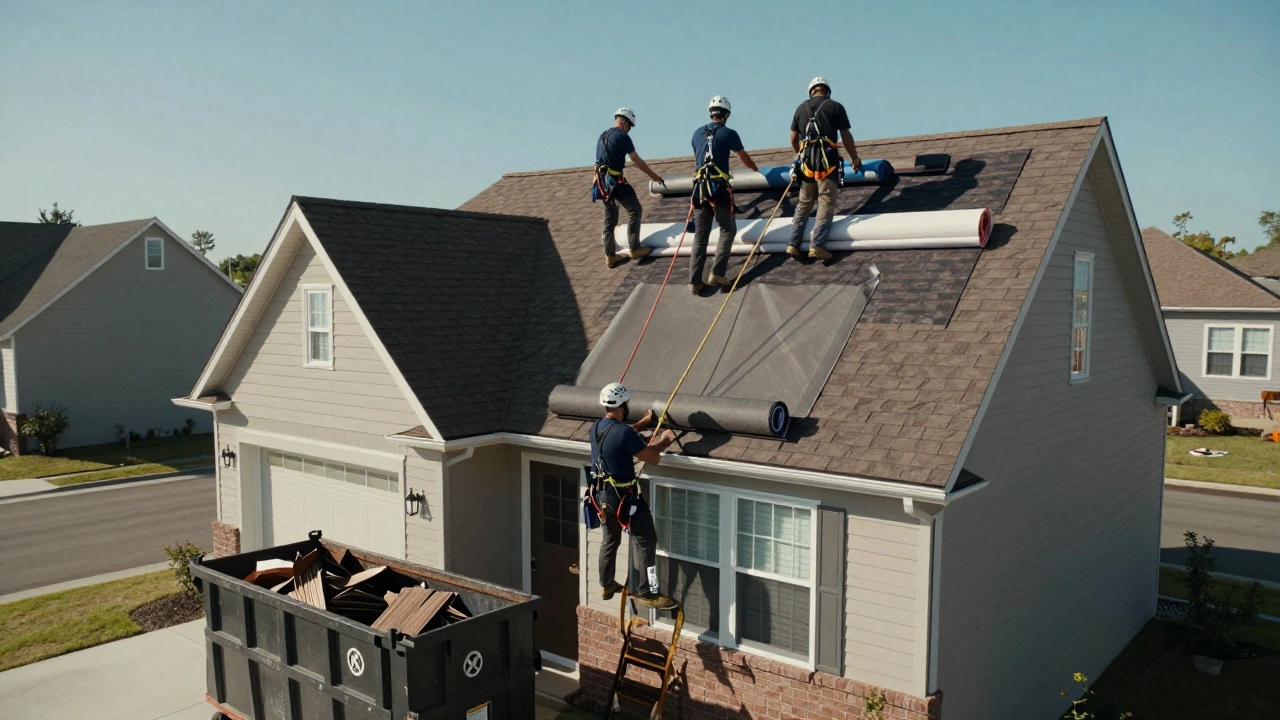
The Value Trade-Off: Cheap Now vs. Quality Later
It's tempting to go with the guy who quotes $18,000 when another quotes $30,000. But you have to ask: what's missing? Often, the cheaper quote involves using a lower-grade Roofing Contractor who employs unskilled labor or skips the critical installation of the starter strip. If a roof is installed poorly, you'll see "nail pops" or wind-blown shingles within two years. Replacing a small section of a roof is often more expensive in the long run than doing it right the first time. A $30,000 roof that lasts 30 years is much cheaper than a $20,000 roof that fails in 12. ## How to Negotiate Your Roof Quote If you feel the price is a bit high, don't just ask for a discount. Ask for a justification. Ask, "Why is the labor on my house higher than the average for this neighborhood?" or "If we switched from this premium shingle to a standard architectural one, how much would that save?" Sometimes, you can lower the cost by:- Scheduling during the off-season: Contractors are often slower in winter or early spring and may offer a discount to keep their crews working.
- Choosing a simpler color: Rare colors can sometimes carry a premium or take longer to source.
- Handling the cleanup: (Though I don't recommend this, as nails in the driveway are a nightmare).
Does insurance cover the full $30,000 cost?
Insurance typically covers the Actual Cash Value (ACV) or Replacement Cost Value (RCV) minus your deductible. If the damage was caused by a covered event like hail or wind, they may pay most of it. However, if the roof is simply old and worn out, insurance won't pay a dime. You'll be responsible for the entire amount.
How long should a $30,000 roof installation take?
For a standard residential home, the actual installation usually takes 1 to 3 days. The price reflects the expertise and the materials, not necessarily the number of hours spent on site. A professional crew can strip and reshingle a medium home in a single day if the weather holds.
Is it better to pay $30,000 for a full replacement or do repairs?
If your roof is over 20 years old or has multiple leaks across different sections, repairs are a waste of money. Patching a failing roof is like putting a bandage on a broken leg. A full replacement provides a fresh warranty and increases your home's resale value, whereas constant repairs don't.
What warranties should come with a $30,000 roof?
You should receive two types of warranties: a manufacturer's warranty on the materials (covering defects) and a workmanship warranty from the contractor (covering leaks caused by poor installation). A high-end job should offer at least a 10-year workmanship guarantee.
Can I save money by buying the shingles myself?
Usually, no. Contractors get wholesale pricing from suppliers that you can't access. More importantly, if you provide the materials and they fail, the contractor will blame the materials, and the supplier will blame the installation. When the contractor provides the materials, they are responsible for the entire system's performance.
Author
Damon Blackwood
I'm a seasoned consultant in the services industry, focusing primarily on project management and operational efficiency. I have a passion for writing about construction trends, exploring innovative techniques, and the impact of technology on traditional building practices. My work involves collaborating with construction firms to optimize their operations, ensuring they meet the industry's evolving demands. Through my writing, I aim to educate and inspire professionals in the construction field, sharing valuable insights and practical advice to enhance their projects.