
Foundation Repair Cost Estimator & Decision Tool
Results Summary
Enter details and click calculate to see estimates.
You’ve found the perfect home. The kitchen has that granite countertop you love, the backyard is fenced in, and the price is right. Then, your inspector hands you a report with two words that can freeze your blood: foundation issues. Suddenly, the dream home feels like a money pit waiting to happen. Your heart races. Do you sign the papers anyway? Or do you walk away and start searching from scratch?
This is one of the most stressful moments in real estate. The fear is justified-foundations are expensive to fix. But walking away immediately might mean missing out on a great deal. Not every crack means the house will collapse. Some problems are cosmetic; others are catastrophic. The difference lies in understanding what you’re looking at, who is telling you about it, and how much fixing it will actually cost.
The Difference Between Cosmetic Cracks and Structural Failure
Not all foundation damage is created equal. In fact, most houses have some form of minor cracking. Concrete shrinks as it cures, and soil shifts slightly with seasonal changes. If you see hairline cracks-cracks thinner than a pencil lead-they are usually nothing to worry about. These are often called shrinkage cracks. They don’t affect the strength of the structure. You can seal them with caulk to keep water out, but they won’t bring the roof down.
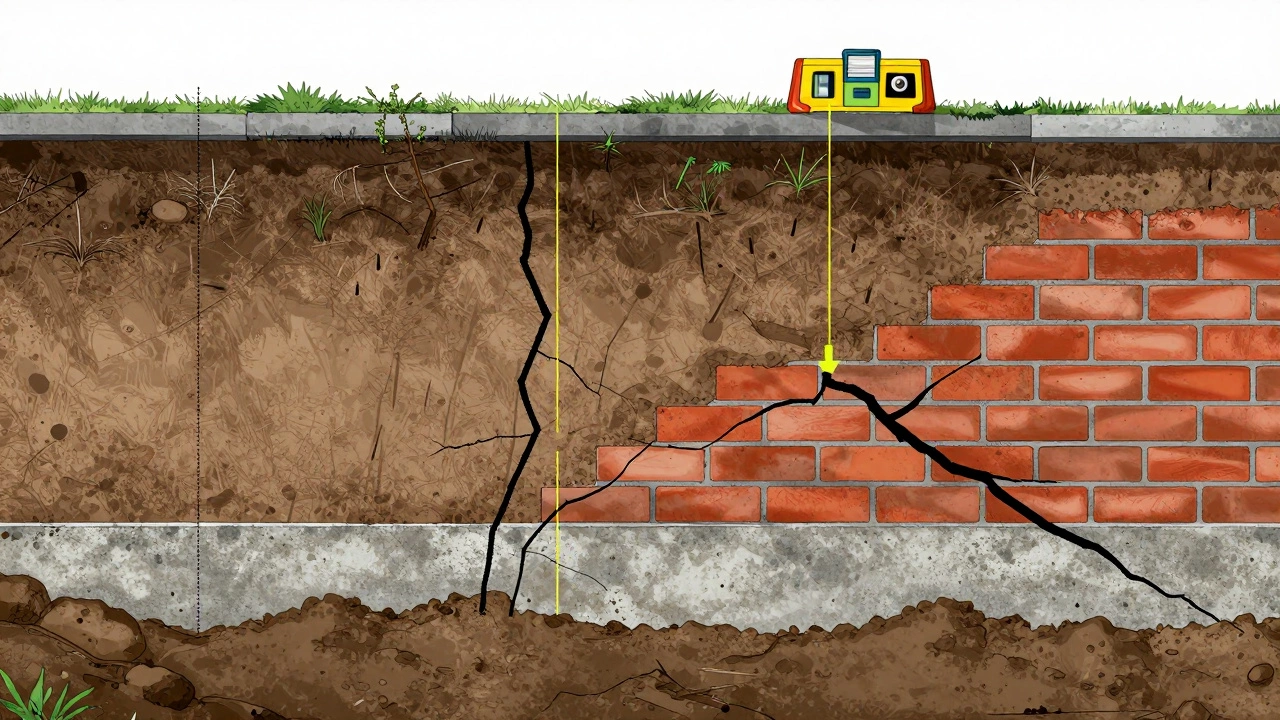
However, when cracks get wider, diagonal, or horizontal, things change. A vertical crack that is wider than 1/4 inch (about the width of a dime) needs attention. Diagonal cracks that step through bricks or blocks suggest the foundation is settling unevenly. Horizontal cracks in basement walls are the red flag you need to watch for most closely. They often indicate hydrostatic pressure-the weight of wet soil pushing against the wall from the outside. This can lead to bowing walls, which is a serious structural failure.
- Hairline cracks: Usually cosmetic. Monitor for growth.
- Vertical cracks (>1/4 inch): May require epoxy injection or monitoring. /li>
- Diagonal/Stepped cracks: Indicate differential settlement. Needs professional evaluation.
- Horizontal cracks: High risk of structural failure. Immediate action required.
If the inspection report mentions "differential settlement," take note. This means one part of the house is sinking faster than another. It’s not just a crack; it’s a movement issue. This is where you stop guessing and start asking questions.
Who Should Diagnose the Problem?
A general home inspector is good at spotting surface-level issues. They check roofs, HVAC systems, and electrical panels. But they are not structural engineers. When a foundation issue is suspected, you need a specialist. Specifically, you want a licensed structural engineer, not just a foundation repair contractor.
Why does this distinction matter? Contractors sell repairs. Engineers diagnose problems. A contractor might tell you that you need helical piers because that’s what they install. An engineer will look at the soil conditions, the load-bearing capacity, and the extent of the damage to recommend the most effective solution. Their report is unbiased. Many lenders and insurance companies require an engineer’s letter before they will approve a loan or cover future damages.
In New Zealand, where seismic activity is a constant concern, the stakes are even higher. A foundation that was fine ten years ago might be vulnerable today due to liquefaction risks or recent earthworks nearby. Always hire an engineer registered with Engineering New Zealand. Ask for their Chartered Professional Engineer (CPEng) status. This ensures they meet rigorous standards of practice.
Estimating the Cost of Foundation Repair
Cost is the biggest factor in deciding whether to stay or go. Foundation repairs are rarely cheap, but they vary wildly depending on the method used. Here is a rough breakdown of common repair methods and their typical costs in the current market:
| Repair Method | Best For | Estimated Cost Range (NZD) |
|---|---|---|
| Epoxy Injection | Non-structural cracks | $500 - $1,500 |
| Mudjacking (Slab Jacking) | Sunken concrete slabs/driveways | $3 - $6 per square foot |
| Steel Push Piers | Heavy homes, stable soil | $1,500 - $3,000 per pier |
| Helical Piers | Lightweight homes, weak soil | $1,500 - $3,500 per pier |
| Wall Anchors/Ties | Bowing basement walls | $1,000 - $3,000 per anchor |
These numbers are estimates. A small crack might cost less than a dinner date. A full underpinning project with multiple piers can easily exceed $30,000 or more. The key is to get three quotes from reputable contractors after you have the engineer’s diagnosis. Never accept a quote based solely on a visual inspection by a salesperson.
Also, consider the hidden costs. If the foundation is leaking, you might need interior waterproofing or exterior drainage improvements like French drains. These add thousands more to the bill. Factor these into your negotiation strategy.
Negotiating vs. Walking Away
Just because there’s a problem doesn’t mean you have to leave. Real estate is a negotiation. If you love the house, use the foundation issue as leverage. You have several options:
- Request a Price Reduction: Ask the seller to lower the purchase price by the estimated cost of repairs plus a buffer (usually 10-20% for inconvenience and risk).
- Ask for a Credit at Closing: Instead of lowering the price, ask for a cash credit. This gives you flexibility in choosing who does the work.
- Demand Repairs Before Closing: Make it a condition of the sale that the seller hires a qualified engineer and completes the repairs. Get proof of warranty.
If the seller refuses to negotiate, that’s a bad sign. It suggests they know more than they’re letting on. However, if they agree to a significant discount, you might still save money compared to buying a move-in-ready home at market price. Just ensure the discount covers the full scope of work, not just the quick fixes.
When You Should Definitely Walk Away
There are scenarios where no amount of negotiation makes sense. Walking away is the smartest financial move in these cases:
- Extensive Horizontal Cracking: If multiple walls show horizontal cracks and bowing, the lateral support is compromised. This is dangerous and extremely expensive to fix.
- Soil Instability: If the engineer identifies expansive clay, poor compaction, or high water tables that cannot be mitigated, the problem will return. You’ll be fighting nature forever.
- Lack of Warranty: Reputable foundation companies offer transferable warranties (often 25 years to lifetime). If the previous owner did the work themselves or hired a fly-by-night operator with no paperwork, you’re inheriting a liability.
- Insurance Denial: Call your insurer. Some policies exclude coverage for pre-existing foundation defects. If you can’t insure the home, you can’t buy it.
- Emotional Exhaustion: Buying a home should be exciting, not terrifying. If the stress outweighs the joy, walk away. There are other houses.

The Importance of Documentation and Warranties
If you decide to proceed, protect yourself. Get everything in writing. The engineer’s report should detail the cause, the recommended repair, and the expected outcome. The contractor’s contract should specify the materials, the number of piers or anchors, and the warranty terms.
In New Zealand, look for contractors who are members of the Master Builders Association or similar accredited bodies. Check their references. Visit past job sites if possible. A warranty is only as good as the company behind it. If the company goes bankrupt in five years, your warranty is worthless. Choose established firms with a track record.
Keep all documents safe. When you eventually sell the house, having a clean paper trail showing that the foundation was professionally assessed and repaired will make your property much easier to sell. Buyers will pay a premium for peace of mind.
Conclusion: Trust Data, Not Fear
Finding foundation issues is scary, but it shouldn’t be automatic deal-breaker. Most homes have minor imperfections. The goal is to identify major structural threats early. By hiring an independent engineer, getting accurate cost estimates, and negotiating wisely, you can turn a potential disaster into a smart investment. Remember, the foundation is the backbone of the house. If it’s weak, the whole structure suffers. But if it’s sound-or can be made sound-you might just find your dream home at a discount.
How much does it cost to fix a foundation in New Zealand?
Costs vary widely. Minor crack sealing can cost $500-$1,500 NZD. Major repairs involving steel piers or wall anchors typically range from $15,000 to $50,000+ NZD depending on the size of the home and soil conditions. Always get multiple quotes.
Can I live in a house with foundation problems while it's being fixed?
In many cases, yes. Most foundation repairs are non-invasive from the inside. However, if the structural integrity is severely compromised, evacuation may be necessary. Follow the advice of your structural engineer.
Will foundation problems affect my home insurance?
Yes. Insurers may deny claims for pre-existing conditions or increase premiums. Some policies exclude foundation damage entirely unless specific engineering reports are provided. Always disclose known issues to your broker.
How long does foundation repair take?
Simple crack injections can take a few hours. Installing piers or anchors usually takes 1-3 days. Full underpinning projects can take weeks. Delays often occur due to weather or access issues.
Is it better to buy a new build or an older home with foundation issues?
New builds come with builder warranties and modern building codes, reducing immediate risk. Older homes may have settled already, meaning major movement has stopped. However, older foundations may lack modern reinforcement. Evaluate each case individually with an engineer.
Author
Damon Blackwood
I'm a seasoned consultant in the services industry, focusing primarily on project management and operational efficiency. I have a passion for writing about construction trends, exploring innovative techniques, and the impact of technology on traditional building practices. My work involves collaborating with construction firms to optimize their operations, ensuring they meet the industry's evolving demands. Through my writing, I aim to educate and inspire professionals in the construction field, sharing valuable insights and practical advice to enhance their projects.