Construction Type Classifier
Building Construction Type Calculator
Determine the correct construction type for your commercial building. Important: "Type D" is not a valid classification in modern building codes. This tool helps identify the actual Type I-V classification based on materials and fire resistance features.
How This Works
Based on the International Building Code (IBC), commercial buildings are classified as Type I through Type V based on structural materials and fire resistance. "Type D" is not a valid classification in modern codes—this tool shows your building's correct classification.
When you walk past a new office building, warehouse, or retail center under construction, you might not think about what kind of building it is-beyond whether it’s big or small. But behind every commercial structure is a classification system that determines how it’s built, what materials are allowed, and how safe it is in emergencies. One of those classifications is Type D construction. If you’ve heard the term and wondered what it means, you’re not alone. Many contractors, developers, and even city planners get confused by building type codes. Here’s the real breakdown-no jargon, no fluff.
Type D construction isn’t a thing
Let’s start with the biggest surprise: Type D construction doesn’t exist in any official building code system used in the U.S., Canada, Australia, New Zealand, or the U.K. You won’t find it in the International Building Code (IBC), the National Building Code of Canada (NBCC), or New Zealand’s Building Code. It’s not listed in any fire safety manual, zoning regulation, or engineering textbook.So why do people talk about it?
The confusion usually comes from mixing up older systems. Some people mix up the old construction types from the 1970s with modern codes. Back then, some regions used letters like A, B, C, D to describe building materials and fire resistance. But those systems were replaced decades ago. Today, all modern codes use a five-category system: Type I through Type V.
What you’re probably looking for: Type I to Type V construction
Modern commercial buildings are classified by their structural materials and fire resistance. Here’s what each type means, in plain terms:
- Type I - Fireproof. Think high-rise offices, hospitals, or data centers. Walls, floors, and roofs are made of concrete or steel. These buildings can survive a fire for 3-4 hours without collapsing.
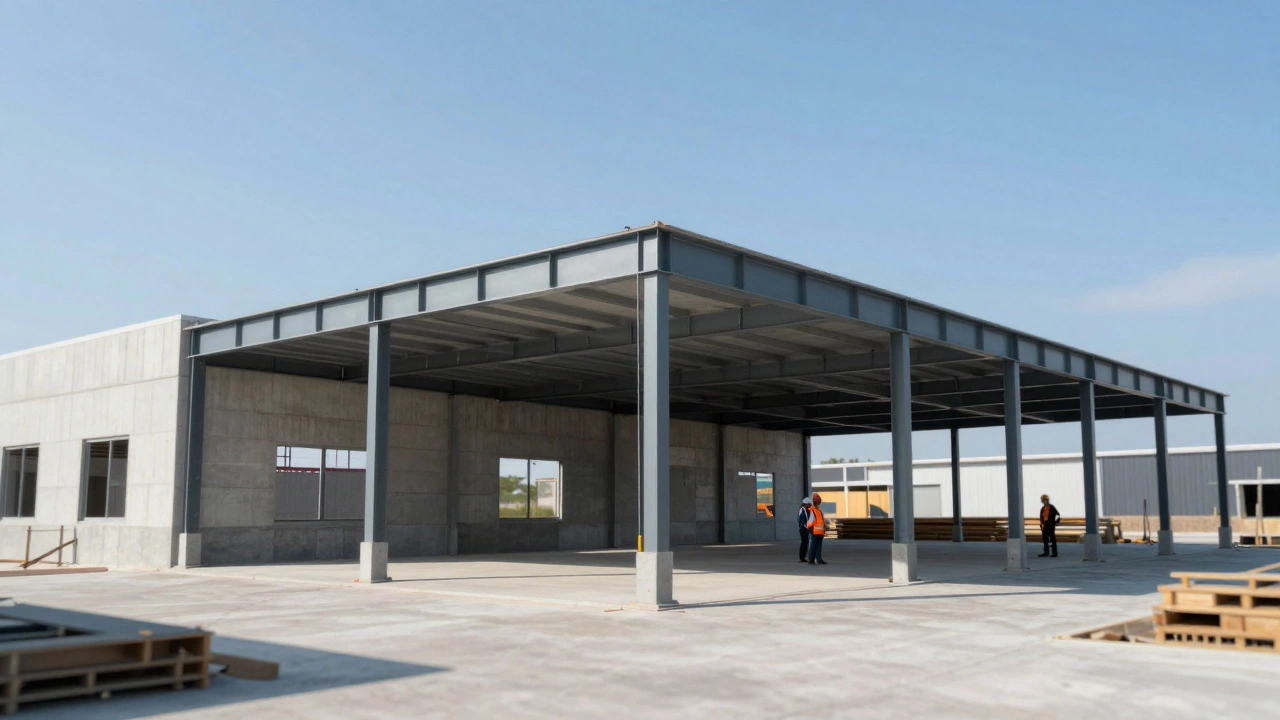
- Type II - Non-combustible. Common in warehouses, strip malls, and newer retail spaces. Uses steel or concrete, but without the extra fireproofing of Type I. Often has exposed metal beams.
- Type III - Ordinary construction. Brick or block walls with wood floors and roofs. You’ll see this in older commercial buildings, like downtown storefronts or small office buildings built before 1980.
- Type IV - Heavy timber. Less common today, but you’ll find it in historic buildings or new designs that use large wooden beams for aesthetics and sustainability. The wood is thick enough to char slowly and hold up during a fire.
- Type V - Wood frame. Used for small retail shops, restaurants, or light commercial buildings under three stories. Walls and roofs are mostly wood. Fire risk is higher, so sprinklers and fire-rated walls are required.
If someone says they’re doing “Type D construction,” they likely mean one of these-but they’re using an outdated term. In most cases, they’re probably referring to Type II or Type III, especially if it’s a warehouse or small commercial building.
Why the confusion still exists
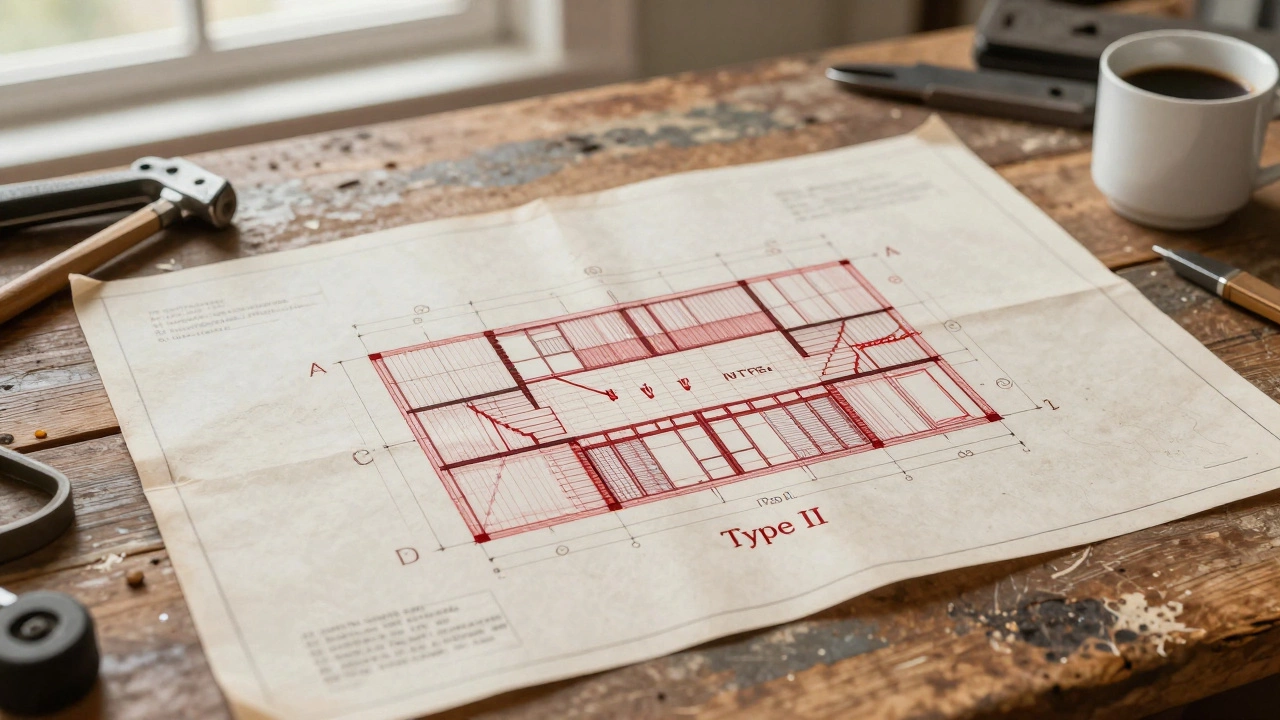
Even though building codes changed in the 1990s, the old labels stuck around in casual conversation. Contractors who started in the 80s still use them. Some older inspection forms or permit applications might list them. Local zoning offices in rural areas sometimes still reference them internally.
One place you might still hear “Type D” is in insurance documents. Some insurers used to classify buildings by letter for risk pricing. A “Type D” might have meant a wood-frame structure with limited fire protection. But even there, most insurers now use the Type I-V system.
The bottom line: if you’re working on a commercial project, don’t rely on “Type D.” Ask for the actual code classification. What’s the wall material? Is it protected with drywall? Are the beams steel or wood? Those details matter more than a letter.
What happens if you get it wrong?
Getting the construction type wrong can cost you time, money, or safety.
- Permits get delayed if your plans don’t match the code’s classification.
- Insurance premiums can spike if your building is misclassified as lower risk.
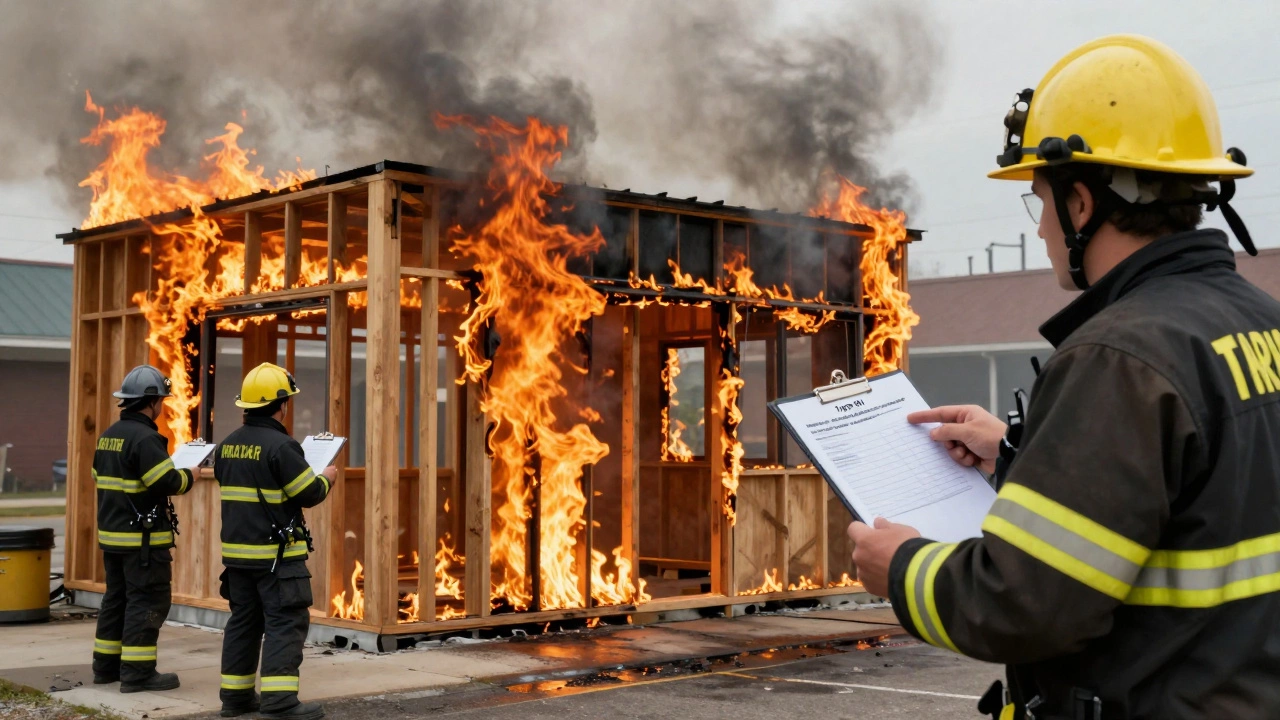
- Fire inspectors may shut down construction if materials don’t meet the required fire rating.
- Worst case? A fire spreads faster than expected because the structure wasn’t built to handle it.
For example, in 2023, a small retail building in Christchurch was built with wood framing but labeled as “Type II” on permits. The inspector caught it during a site visit because the steel columns weren’t there. The builder had to tear out the roof and rebuild with steel trusses. Cost: $180,000. Delay: 11 weeks.
That’s not a rare mistake. It happens more often than you think.
How to confirm the right type for your project
Here’s how to avoid the confusion:
- Check the local building code-not a website or old textbook. In New Zealand, that’s the Building Code (Clause B1 Structure, B2 Durability, B2 Fire Safety).
- Ask your architect or structural engineer: “What construction type are we designing to?” They should answer with Type I, II, III, IV, or V.
- Look at the material specs: Concrete? Steel? Wood? Fire-rated drywall? That tells you the type, not a label.
- Request a copy of the approved construction drawings. The type should be clearly marked in the structural notes.
- If you’re buying a commercial property, ask for the original building permit. It will list the construction type.
Don’t trust someone who says, “It’s Type D.” Ask them to show you the code section. If they can’t, they’re probably guessing.
What to do next
If you’re planning a commercial build, renovation, or even just buying a property, don’t let outdated terms confuse you. Focus on the real details:
- What materials are used in the walls, floors, and roof?
- Are they protected with fire-resistant materials?
- Does the building have sprinklers, fire alarms, and exit routes that meet current standards?
These are the things that actually keep people safe. The letter on an old chart? It’s just noise.
When in doubt, talk to a licensed building surveyor or fire safety consultant. They’ll look at your plans and tell you exactly what code applies. No guessing. No jargon. Just clear answers.
There’s no Type D construction. But there are five real types-and knowing which one applies to your project could save you thousands, or even lives.
Author
Damon Blackwood
I'm a seasoned consultant in the services industry, focusing primarily on project management and operational efficiency. I have a passion for writing about construction trends, exploring innovative techniques, and the impact of technology on traditional building practices. My work involves collaborating with construction firms to optimize their operations, ensuring they meet the industry's evolving demands. Through my writing, I aim to educate and inspire professionals in the construction field, sharing valuable insights and practical advice to enhance their projects.