
Construction Hierarchy & Risk Calculator
Select a contractor tier to understand their role, liability, and position in the payment supply chain.
Tier 1: General Contractor
Project management, client liaison, overall delivery.
Tier 2: Subcontractor
Specialized trade execution (electrical, plumbing, etc.).
Tier 3: Supplier/Labor
Material delivery, equipment rental, general labor.
Select a Tier Above
Role & Responsibilities
Click on any of the three cards above to see detailed information about that contractor's role in the construction hierarchy.
Contractual Link
--
Payment Source
--
Supply Chain Flow
You’ve probably heard the terms thrown around in meetings or seen them on invoices, but what do they actually mean? In the construction industry, the difference between a Tier 1, Tier 2, and Tier 3 contractor isn’t just about who gets paid first. It’s about risk, responsibility, and how the entire project flows from the ground up. If you are hiring someone to build your home or office, understanding this hierarchy is the only way to ensure you aren’t left holding the bag when things go wrong.
The construction supply chain is a pyramid. At the top sits the entity with the most power and the most liability. At the bottom are the specialists who move the dirt or pour the concrete. Knowing where each player fits helps you negotiate better contracts, avoid payment disputes, and understand why your project might be delayed. Let’s break down exactly who does what at each level.
Who Are Tier 1 Contractors?
Tier 1 Contractors, often called General Contractors (GCs) or Prime Contractors, are the main players you sign a contract with. They hold the primary contract with the client-the person or company paying for the building. When you hire a firm to build a new house or a commercial warehouse, that firm is your Tier 1 partner.
Their job is management, not necessarily swinging hammers all day. A Tier 1 contractor is responsible for the entire project timeline, budget, safety compliance, and quality control. They act as the single point of contact for the client. If the roof leaks, you call the Tier 1 contractor, not the roofer directly. This is crucial because it centralizes accountability.
In New Zealand, for example, a Tier 1 builder must usually hold a Licensed Building Practitioner (LBP) license if the work involves structural framing or weathertightness. They carry significant insurance, including public liability and professional indemnity, because they are legally liable for the actions of everyone working under them. They take on the financial risk of the project; if a subcontractor fails to deliver, the Tier 1 contractor still has to pay the client and fix the issue out of their own pocket if necessary.
- Primary Role: Project management, client liaison, and overall delivery.
- Contractual Link: Direct contract with the property owner or developer.
- Risk Level: Highest. They bear the brunt of delays and defects.
- Payment Source: Paid by the client based on progress claims.
Understanding Tier 2 Subcontractors
Once the Tier 1 contractor wins the bid, they rarely do every single task themselves. Instead, they hire specialists. These are the Tier 2 Contractors, commonly known as Subcontractors or Subbies. They have a direct contractual relationship with the Tier 1 contractor, not with you, the client.
Tier 2 companies specialize in specific trades. You’ll see electrical contractors, plumbing firms, HVAC installers, glaziers, and plasterers here. These businesses bring deep technical expertise. An electrical sub knows the local code requirements inside out and has the right equipment to wire a building efficiently. The Tier 1 contractor relies on them to execute the technical details correctly.
The dynamic here is interesting. The Tier 2 sub reports to the Tier 1 GC. If the electrician shows up late, the plumber can’t start, and the drywall installer waits behind them. The Tier 1 contractor manages this sequence. However, the Tier 2 sub also carries its own risks. They must price their work accurately because once they submit a quote to the GC, that price is often fixed. If material costs spike, the Tier 2 sub eats the loss unless there is a specific escalation clause in their contract.
In many jurisdictions, Tier 2 subs must also be licensed for their specific trade. For instance, in Wellington, an electrician must be registered with Electrical Safety NZ. This adds a layer of safety assurance for the Tier 1 contractor, who vets these subs before allowing them on site.
- Primary Role: Specialized trade execution (electrical, plumbing, etc.).
- Contractual Link: Contract with the Tier 1 General Contractor.
- Risk Level: Medium. Risk is limited to their scope of work and schedule adherence.
- Payment Source: Paid by the Tier 1 contractor after completing milestones.
The Role of Tier 3 Suppliers and Labor
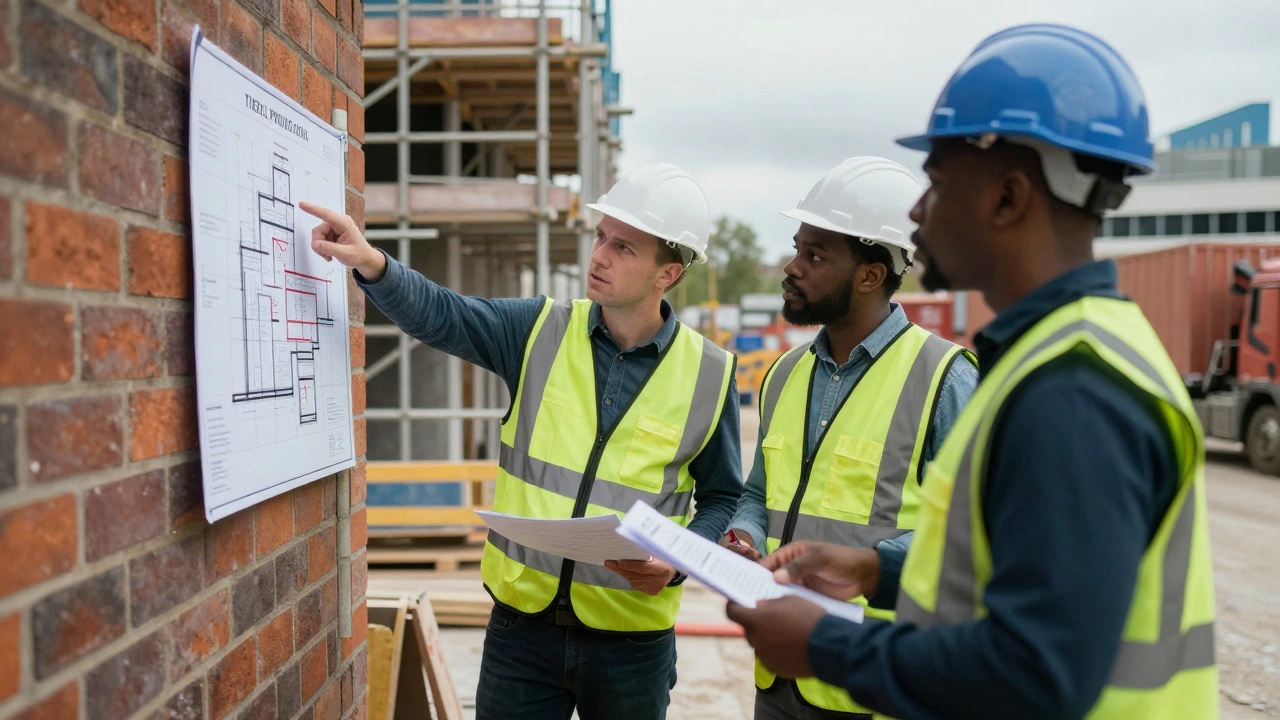
At the base of the pyramid are Tier 3 Entities, which include Material Suppliers, Equipment Rental Companies, and sometimes Labor-only subcontractors. These entities do not typically have a direct contract with the Tier 1 or even the Tier 2 contractor in the same formal sense. They sell goods or provide short-term labor support.
Think of the lumber yard, the steel supplier, or the crane rental agency. They provide the physical inputs required for the build. While they don’t manage the project, their reliability is critical. If the Tier 3 supplier delivers the wrong grade of timber, the Tier 2 carpenter can’t frame the walls, causing a ripple effect up the chain.
Labor-only crews also fall into this category. Sometimes a Tier 2 plumbing company will hire temporary helpers who are employed by a separate staffing agency. These workers are Tier 3. They follow the instructions of the Tier 2 foreman but are not part of the core specialized team. Their role is flexible and scalable, allowing projects to ramp up labor during peak phases without long-term commitments.
The financial flow here is vital. Tier 2 subs pay Tier 3 suppliers. If the Tier 1 GC doesn’t pay the Tier 2 sub on time, the Tier 2 sub might delay paying the supplier. This can lead to liens or work stoppages. Understanding this cash flow dependency explains why payment terms (like Net 30 or Net 60) are so fiercely negotiated in construction contracts.
- Primary Role: Providing materials, equipment, or general labor.
- Contractual Link: Purchase orders or service agreements with Tier 2 or Tier 1.
- Risk Level: Low operational risk, but high credit risk (getting paid).
- Payment Source: Paid by the contractor who ordered the goods/services.
| Feature | Tier 1 (General Contractor) | Tier 2 (Subcontractor) | Tier 3 (Supplier/Labor) |
|---|---|---|---|
| Client Relationship | Direct contract with owner | Contract with Tier 1 | Purchase order with Tier 1 or 2 |
| Primary Responsibility | Project management & coordination | Specialized trade execution | Material delivery & basic labor |
| Liability Scope | Entire project | Specific trade scope | Product defect or labor hour |
| Typical Examples | Turner Construction, Local Builders | Electrical Co., Plumbing Inc. | Lumber Yard, Crane Rental |
| Payment Trigger | Client approval of progress | Tier 1 certification of work | Delivery receipt or timesheet |
Why Does This Hierarchy Matter to You?
If you are a homeowner or a business owner planning a build, knowing these tiers protects your wallet and your sanity. First, it clarifies who you should talk to. You should never bypass your Tier 1 contractor to negotiate directly with a Tier 2 plumber. Doing so breaks the contractual chain. If something goes wrong with that plumbing later, your Tier 1 contractor can deny responsibility because you interfered with their management of the sub.
Second, it helps you assess risk. A Tier 1 contractor who tries to do everything in-house without using Tier 2 specialists might be cutting corners or lacking capacity. Conversely, a Tier 1 contractor who uses unvetted Tier 3 suppliers might end up with cheap materials that fail inspection. Ask your builder about their preferred partners. A good Tier 1 GC has long-standing relationships with reliable Tier 2 subs and Tier 3 suppliers. This network stability reduces the chance of delays.
Finally, it impacts cost transparency. In some contracts, you pay the Tier 1 GC a lump sum. In others, you pay "cost plus," where you reimburse the actual costs of Tier 2 and Tier 3 work plus a fee. Understanding the tiers helps you audit these costs. If you see a huge markup on Tier 3 materials, you can ask why. Is the Tier 1 GC adding a management fee on top of the supplier’s price? Clarity prevents hidden fees.
Common Pitfalls in the Supply Chain
One of the biggest issues in construction is the "pay-when-paid" clause. Sometimes, Tier 1 contractors try to pass their cash flow problems down to Tier 2 subs by stating they will only pay the sub once the client pays them. In many places, including parts of New Zealand and Australia, this practice is restricted or illegal for residential projects to protect smaller businesses. However, it still happens. If your Tier 1 GC is struggling financially, your Tier 2 subs might walk off the job, leaving your project stalled.
Another pitfall is scope ambiguity. If the line between Tier 1 and Tier 2 responsibilities isn’t clear, work falls through the cracks. For example, who installs the window flashing? The Tier 1 framer or the Tier 2 window installer? If the contract doesn’t specify, both might assume the other will do it. Result: water damage. Clear scope definitions in the initial contract prevent these gaps.
Lastly, communication breakdowns occur when information doesn’t flow down the tiers. The architect changes a design detail, the Tier 1 GC updates the plans, but the Tier 2 electrician works off old drawings. This leads to rework. Effective Tier 1 management requires rigorous document control to ensure every tier is working from the latest version of the truth.
Choosing the Right Team Structure
When selecting a builder, look beyond the price tag. Evaluate their Tier 1 capabilities. Do they have a dedicated project manager? Do they use modern software for scheduling and communication? Then, ask to meet their key Tier 2 partners. A builder who is proud of their subcontractors usually runs a tight ship. If they hesitate to name their electrical or plumbing partners, that’s a red flag.
For larger commercial projects, you might consider a Design-Build approach where the Tier 1 contractor is involved earlier in the design phase. This allows them to consult with Tier 2 specialists early on, ensuring the design is buildable and cost-effective. This integration reduces conflicts later in the process.
Remember, the goal of the tier system is specialization and efficiency. Each layer adds value through expertise or coordination. By understanding where each piece fits, you can navigate the construction process with confidence, ensuring that your project stays on track, on budget, and up to code.
Can I hire a Tier 2 subcontractor directly?
Technically, yes, but it is risky. If you hire a plumber directly, you become the general contractor for that portion of the work. You are now responsible for coordinating their schedule with other trades, ensuring they have proper insurance, and managing any defects. Most homeowners prefer to let the Tier 1 GC handle this to maintain a single point of accountability.
Who pays for defective work caused by a Tier 3 supplier?
The Tier 1 contractor is ultimately responsible to you, the client. If a Tier 3 supplier provides faulty bricks, the Tier 1 GC must fix the issue. They may then seek reimbursement from the Tier 2 sub or the Tier 3 supplier based on their internal contracts, but that is not your concern. Your contract is with the Tier 1, so they guarantee the final result.
What is the difference between a Tier 1 and a Developer?
A developer is typically the client who owns the land and finances the project. The Tier 1 contractor is hired by the developer to physically build the structure. In some cases, the developer may also act as the Tier 1 contractor if they have the licenses and capacity, but usually, these are separate entities with distinct roles: one funds and sells, the other builds.
Do Tier 2 contractors need insurance?
Yes, absolutely. Reputable Tier 1 contractors require proof of insurance from all Tier 2 subs before they step on site. This includes public liability insurance and worker’s compensation. Without it, the Tier 1 contractor risks being sued if a sub’s employee gets hurt or damages property. Always verify that your subs are insured.
How does the payment flow work between tiers?
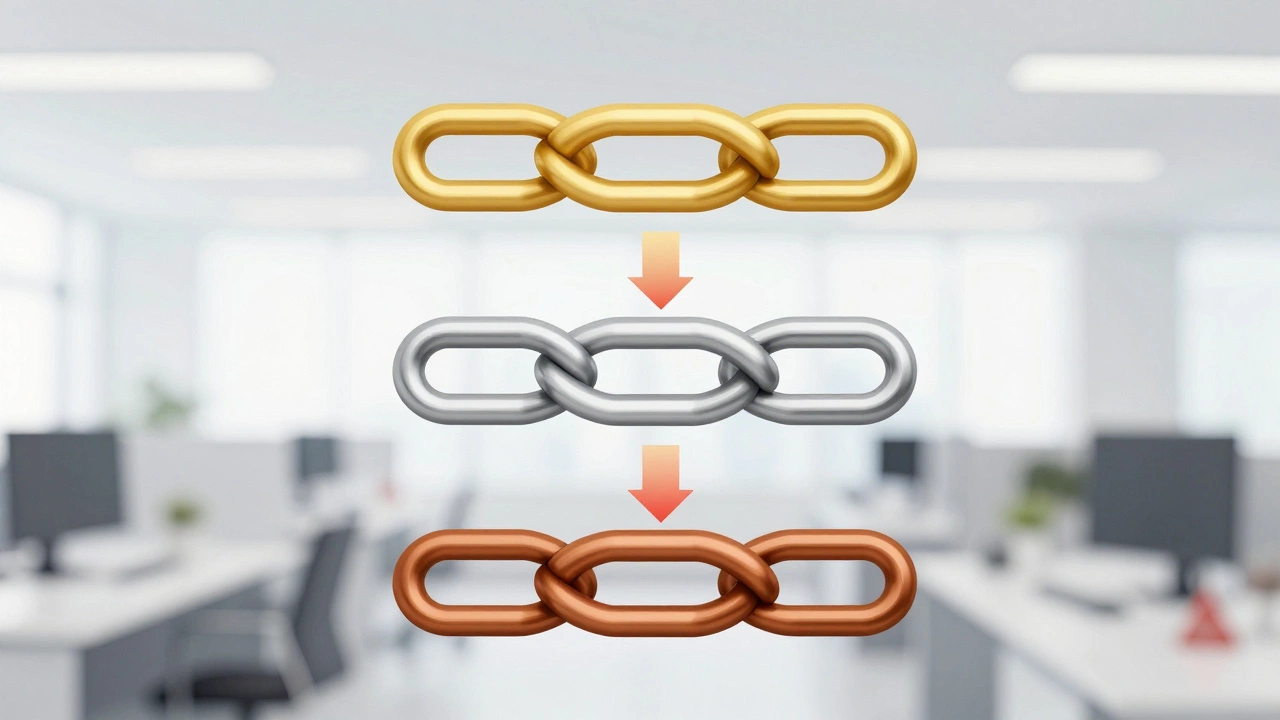
Money flows down the chain. The client pays the Tier 1 contractor. The Tier 1 contractor then pays the Tier 2 subcontractors based on completed work. Finally, Tier 2 subs pay Tier 3 suppliers and laborers. Delays at the top (client not paying) can cause cash flow crises at the bottom, leading to work stoppages.
Author
Damon Blackwood
I'm a seasoned consultant in the services industry, focusing primarily on project management and operational efficiency. I have a passion for writing about construction trends, exploring innovative techniques, and the impact of technology on traditional building practices. My work involves collaborating with construction firms to optimize their operations, ensuring they meet the industry's evolving demands. Through my writing, I aim to educate and inspire professionals in the construction field, sharing valuable insights and practical advice to enhance their projects.