Commercial Building Qualification Checker
Answer the following questions to see if your property aligns with the typical characteristics of a commercial building.
Property Classification
Defining the Line Between Home and Business
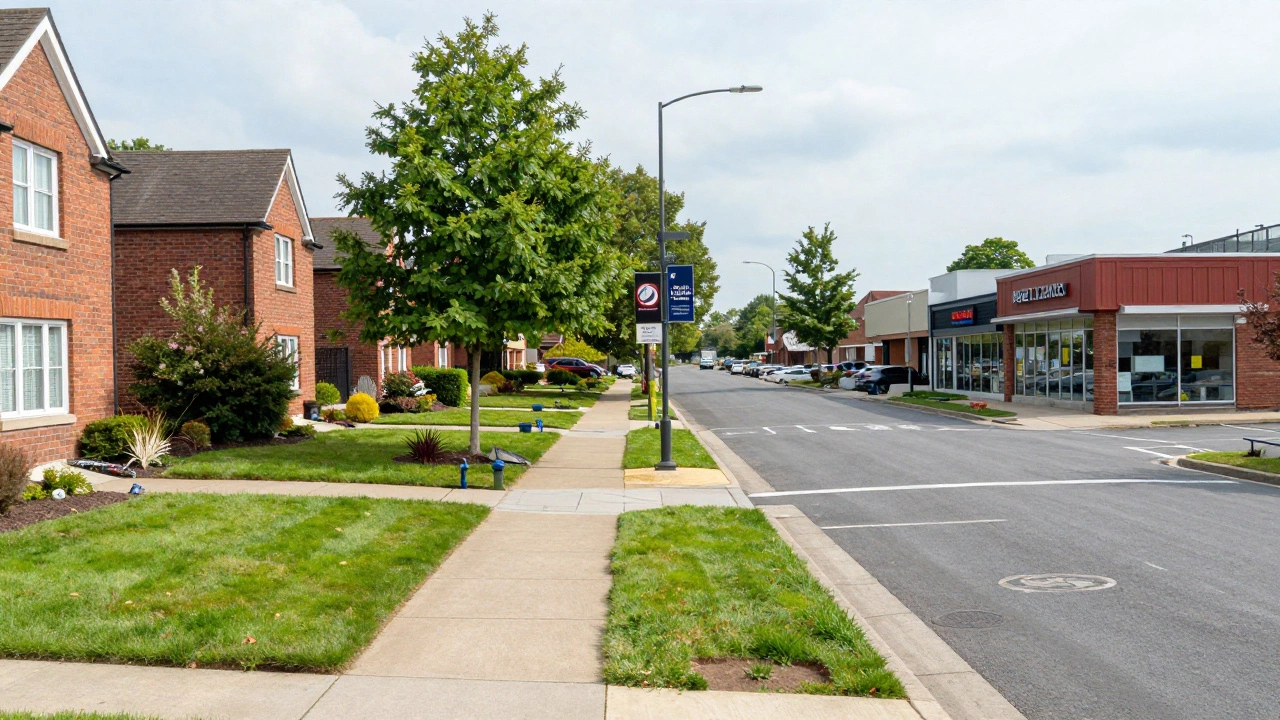
Imagine you buy a quiet townhouse and decide to open a small accounting firm inside. Is that townhouse now a commercial building? Not quite. The difference isn't just about whether you make money inside the walls; it's about how the building is legally classified, who can use it, and what safety rules it has to follow. Commercial Building is a structure designed specifically for business activities, intended to generate profit, and subject to commercial zoning and building codes. While a residential home is built for living, a commercial property is built for working, selling, or providing services to the public.Quick Takeaways
- Primary Purpose: Buildings used to generate profit or provide public services.
- Legal Status: Determined by zoning laws and local government designations.
- Safety Standards: Higher requirements for fire exits, accessibility, and structural loads.
- Ownership: Often held by corporations or real estate investment trusts (REITs).
The Role of Zoning Laws
Local governments don't just let people build whatever they want wherever they want. They use Zoning Laws is municipal regulations that divide land into specific districts-such as residential, commercial, or industrial-to control how the land is developed. If a piece of land is zoned as "Commercial," you can build a shopping center or an office. If it's zoned as "Residential," you generally can't open a retail store there without a special permit. This is why you don't see a giant warehouse in the middle of a quiet suburban cul-de-sac. These laws prevent the noise and traffic of a business from disrupting a neighborhood's peace. When a building is designated as commercial, it means the city has officially cleared it for business use, which often opens up more flexibility for signage and customer parking.Types of Commercial Properties
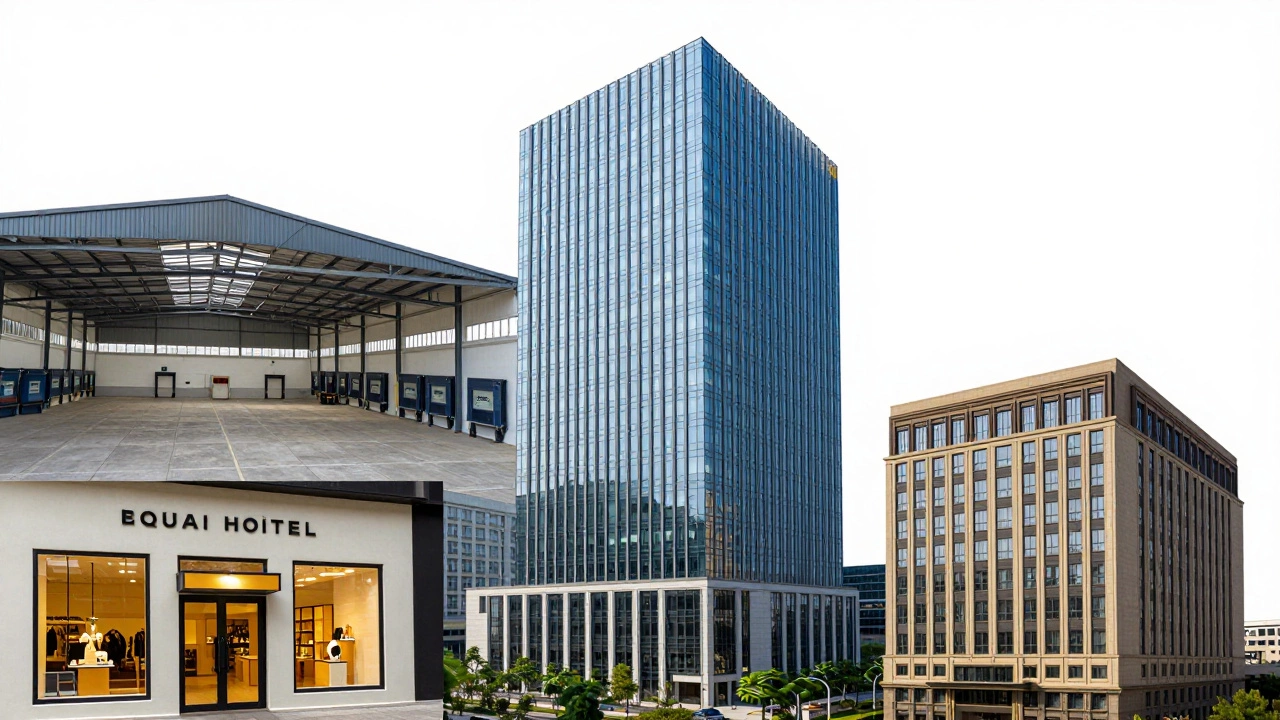
Not every business building looks like a skyscraper. The world of commercial construction is diverse, ranging from tiny kiosks to massive logistics centers. Understanding these categories helps clarify what actually counts as "commercial."| Type | Examples | Key Focus | Primary User |
|---|---|---|---|
| Office | Corporate HQ, Co-working spaces | Connectivity and Layout | White-collar professionals |
| Retail | Malls, Boutiques, Grocery stores | Foot traffic and Visibility | Consumers |
| Industrial | Warehouses, Factories | Floor load and Ceiling height | Manufacturers/Logistics |
| Hospitality | Hotels, Resorts | Guest Comfort and Amenities | Travelers |
| Mixed-Use | Apartments above shops | Versatility and Zoning | Both residents and shoppers |
The Structural Difference: Codes and Safety
If you've ever noticed that commercial bathrooms look different or that there are heavy-duty metal doors in a store, that's not just a design choice-it's a legal requirement. Commercial buildings must adhere to Building Codes is a set of regulations governing the design, construction, and maintenance of structures to ensure safety and health. Think about the difference in a crowd. A home might have three people in it; a retail store might have three hundred. Because of this, commercial buildings have much stricter fire safety rules. You'll find sprinkler systems, clearly marked emergency exits, and fire-rated walls that can withstand heat for hours to allow people to escape. Accessibility is another huge factor. In many regions, the Americans with Disabilities Act (ADA) or similar local accessibility laws require commercial spaces to have ramps, wide doorways, and specific restroom layouts. Your private home doesn't need a wheelchair-accessible entrance to be legal, but a commercial building absolutely does.Financial and Legal Ownership
Who owns the building often tells you what it is. While a person can own a commercial building, these properties are frequently owned by Real Estate Investment Trusts (REITs) is companies that own, operate, or finance income-generating real estate, allowing individual investors to buy shares of commercial portfolios. Commercial real estate is treated as an asset meant to produce income. This leads to a different kind of lease. In residential rentals, the landlord usually handles everything. In commercial settings, you'll often see a "Triple Net Lease" (NNN). In this scenario, the tenant pays for the rent plus the property taxes, insurance, and maintenance. This shift in financial responsibility is a hallmark of the commercial world.Mixed-Use Buildings: The Grey Area
Lately, we've seen a surge in "Mixed-Use" developments. These are the buildings where you might have a coffee shop on the ground floor and twenty apartments above it. Does this make the whole building commercial? Legally, it's a hybrid. The ground floor is managed under commercial zoning and codes, while the upper floors follow residential rules. These buildings are incredibly popular in dense cities because they reduce the need for cars and create vibrant neighborhoods. However, they are a nightmare for architects because they have to blend two entirely different sets of building regulations into one structure.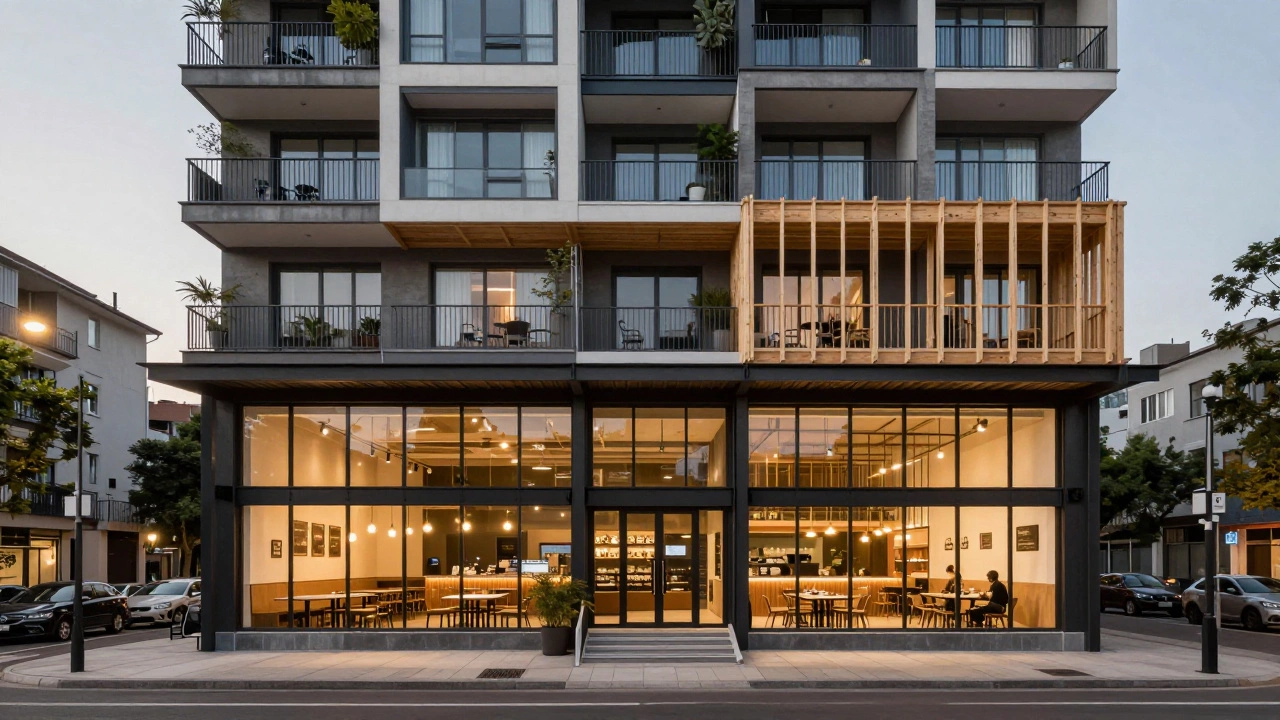
Common Pitfalls When Converting Residential to Commercial
Many entrepreneurs try to save money by converting an old house into an office. While it sounds easy, it's often a legal minefield. Here are a few things that usually trip people up:- Parking Requirements: Cities usually require a specific number of parking spots per square foot for businesses. Your driveway isn't enough if you have ten employees and five visiting clients.
- Electrical Loads: A home's electrical panel isn't designed for high-powered commercial printers, servers, or industrial coffee machines. You'll likely need a full electrical upgrade.
- Insurance Costs: Your standard homeowners insurance will not cover a commercial fire or a customer slipping on the floor. You need a specialized business policy, which is significantly more expensive.
The Impact of Sustainability and Modern Tech
Modern commercial buildings are shifting toward LEED Certification is a globally recognized symbol of sustainability achievement for buildings, focusing on energy efficiency and environmental impact. Unlike a house where the owner might just put in a few LED bulbs, commercial buildings are implementing massive smart systems. We're talking about AI-driven HVAC systems that adjust temperature based on how many people are in a room and "green roofs" that manage stormwater runoff. These aren't just for the environment; they lower operating costs, which directly increases the building's value as a commercial asset.Can a home be considered a commercial building?
Generally, no. A home is residential. However, if you get a zoning change or a special use permit to operate a business, the building remains structurally residential but is used for commercial purposes. To be a true "commercial building," it must be zoned as such and meet commercial building codes.
What is the biggest difference in construction between the two?
The biggest differences are the materials and safety systems. Commercial buildings often use steel frames and reinforced concrete rather than wood. They also require industrial-grade fire suppression (sprinklers) and strictly mandated accessibility features like ramps and wide elevators.
Do commercial buildings have different taxes?
Yes. Commercial property taxes are typically higher than residential taxes. This is because the land is seen as an income-generating asset. In many commercial leases, the tenant is actually responsible for paying these taxes via a Triple Net (NNN) agreement.
What is a mixed-use building?
A mixed-use building is a structure that combines residential and commercial purposes. A typical example is a building with retail shops on the street level and apartments or offices on the floors above. It requires a complex blend of different zoning and safety codes.
Does zoning ever change?
Yes, through a process called rezoning. A property owner can apply to the local planning board to change a residential zone to commercial. This usually involves public hearings and a review of how the change will affect traffic and the local community.
Author
Damon Blackwood
I'm a seasoned consultant in the services industry, focusing primarily on project management and operational efficiency. I have a passion for writing about construction trends, exploring innovative techniques, and the impact of technology on traditional building practices. My work involves collaborating with construction firms to optimize their operations, ensuring they meet the industry's evolving demands. Through my writing, I aim to educate and inspire professionals in the construction field, sharing valuable insights and practical advice to enhance their projects.