Budget Breakdown
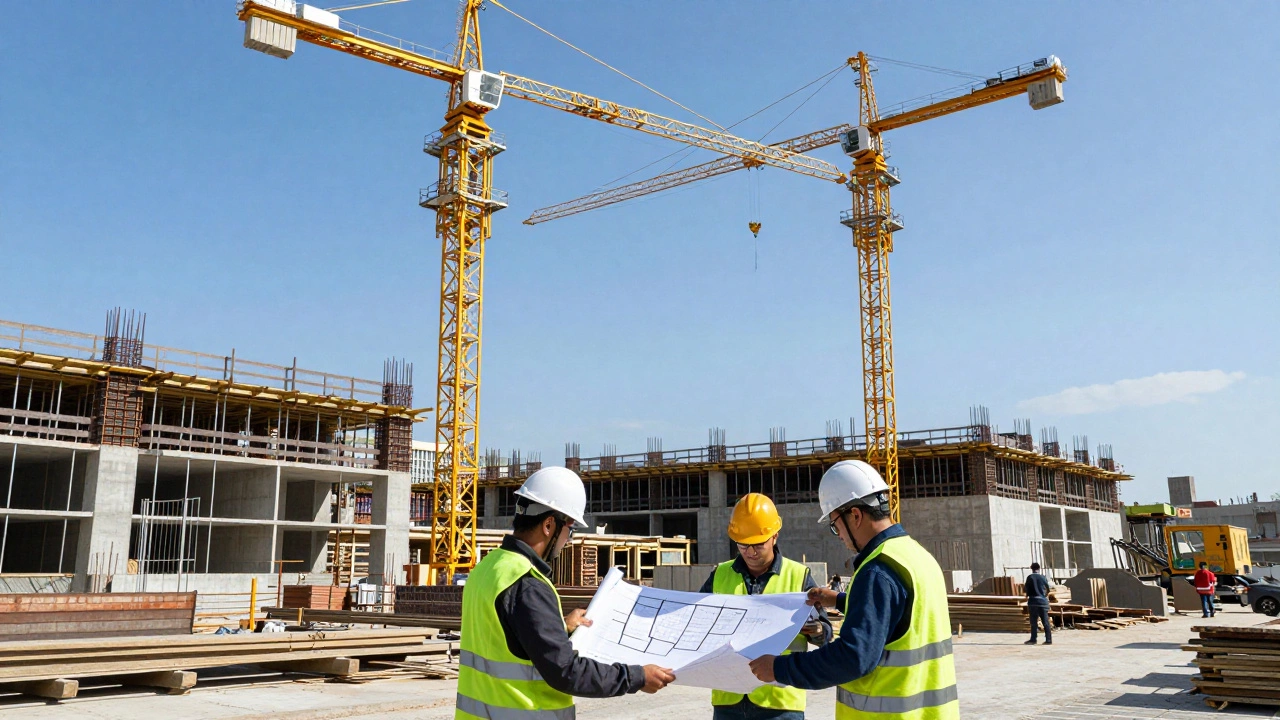
Ever walked past a massive construction site with towering cranes and a dozen different subcontractors in neon vests and wondered, "What exactly counts as a commercial project?" Most of us think of an office building or a shopping mall, but the reality is much broader. If you're planning to start a business, invest in real estate, or move into the industry, understanding the line between residential and commercial work is the difference between a successful build and a legal nightmare.
At its core, a commercial project is any building construction or renovation intended for business purposes rather than as a private dwelling. Unlike a house, these structures are designed to generate profit, house employees, or provide public services. This simple shift in purpose changes everything: the materials used, the safety laws you must follow, and the way the project is financed.
The Basics of Commercial Building
When we talk about commercial project goals, we aren't just talking about blueprints. We are talking about scalability and durability. A residential wall might just need to hold up some drywall and a picture frame. A commercial wall in a warehouse, however, might need to support industrial shelving or withstand the impact of a forklift. This is why commercial construction relies heavily on steel framing and reinforced concrete, which offer the structural integrity needed for high-traffic environments.
But it isn't just about the bones of the building. The intent of the space dictates the entire design. A medical clinic needs specific plumbing for sterilization and specialized ventilation. A retail store needs a wide-open floor plan and high-visibility glass. In the commercial world, the function of the business always drives the architecture.
Different Types of Commercial Projects
Not all commercial projects are created equal. Depending on the goal, they usually fall into a few main buckets. Understanding these helps you identify which regulations and contractors you'll need.
- Office Spaces: These range from small professional suites for accountants to massive skyscrapers. The focus here is usually on HVAC efficiency, data cabling, and employee ergonomics.
- Retail and Hospitality: Think grocery stores, boutiques, hotels, and restaurants. These projects prioritize "curb appeal," customer flow, and strict health department codes for food service areas.
- Industrial Facilities: This includes warehouses, distribution centers, and manufacturing plants. These are the giants of the industry, focusing on heavy-duty flooring and loading dock logistics.
- Institutional Buildings: These are non-profit or government-run spaces like schools, hospitals, and courthouses. They often have the strictest safety requirements and the most complex accessibility needs.
- Mixed-Use Developments: A growing trend where a building has a retail shop on the ground floor and apartments above. This requires a delicate balance of residential privacy and commercial accessibility.
The Legal and Regulatory Landscape
This is where things get tricky. If you build a deck on your own home, you might need a simple permit. If you build a commercial building, you are entering a world of strict government oversight. The most critical factor here is zoning laws, local government regulations that dictate how a piece of land can be used. You cannot simply open a loud factory in the middle of a quiet residential neighborhood; the zoning must be designated for "light industrial" or "commercial" use.
Then there are the building codes, sets of rules that specify the minimum standards for construction to protect public health and safety. While residential codes are strict, commercial codes are intense. For example, the Americans with Disabilities Act (ADA) (or similar accessibility standards in other countries) mandates specific ramp slopes, door widths, and restroom layouts to ensure everyone can access the building.
Fire safety is another huge differentiator. Commercial projects require advanced sprinkler systems, fire-rated walls, and clearly marked emergency exits that can handle hundreds of people exiting at once. A failure to meet these codes doesn't just mean a fine; it means the building cannot legally open for business.
Comparing Residential vs. Commercial Construction
If you're trying to decide if your project is truly "commercial," look at this breakdown of the key differences.
| Feature | Residential | Commercial |
|---|---|---|
| Primary Material | Wood / Timber | Steel / Concrete |
| Zoning Requirements | Residential Zoning | Commercial/Industrial Zoning |
| Funding Source | Mortgages / Personal Savings | Commercial Loans / Investors |
| Compliance | Local Housing Codes | ADA, Fire, and Health Codes |
| Project Scale | Smaller, Single-unit | Larger, Multi-unit / Specialized |
How Commercial Projects Are Managed
Managing a commercial build is less like painting a room and more like conducting an orchestra. Because the stakes are so high-both financially and legally-the team is usually much larger. You'll typically have a General Contractor, the primary party responsible for the day-to-day oversight of a construction site, who manages a swarm of specialized subcontractors. These subs might include electrical engineers, HVAC specialists, and plumbing experts who only handle industrial-grade systems.
The process usually follows a strict sequence. First is the Pre-construction phase, where feasibility studies and site surveys determine if the project is even possible. Then comes the Design phase, where architects create blueprints that must be approved by city planners. Finally, the Construction phase happens, often using methods like "design-build," where the architect and contractor work as one entity to speed up the process.
Financing is also a different beast. While a homeowner gets a 30-year mortgage, a commercial developer often uses commercial real estate loans, short-to-medium term loans used to purchase or improve income-producing properties. These loans are based on the projected income the building will generate, not just the borrower's credit score.
Common Pitfalls to Avoid
Many new developers make the mistake of treating a small commercial project like a big residential one. For instance, using residential-grade electrical panels in a small office. When you plug in ten high-powered computers and a commercial coffee machine, those panels will trip constantly. You need commercial-grade infrastructure designed for "continuous load."
Another common error is ignoring the "soft costs." People budget for the lumber and the labor, but they forget about permit fees, architectural stamps, and insurance. In a commercial project, these soft costs can account for a significant chunk of the initial budget. If you don't account for them, you'll run out of cash before the roof is even on.
Integrating Technology and Sustainability
Modern commercial projects are no longer just about four walls and a roof. We are seeing a massive shift toward LEED Certification, a globally recognized symbol of sustainability achievement for buildings. This isn't just about being "green"; it's a business move. Energy-efficient windows and smart HVAC systems lower the monthly operating costs, making the building more attractive to future tenants.
Smart building technology is also becoming standard. From keyless entry systems to IoT sensors that track how employees use an office, the "commercial project" of 2026 is as much about software as it is about bricks and mortar. Integrating these systems during the construction phase is much cheaper than trying to retrofit them three years later.
Can a residential building be considered a commercial project?
Generally, no. However, if a home is converted into a business (like a bed and breakfast or a daycare), it may require a "change of use" permit. Once the primary purpose of the building is to generate income and it opens to the public, it must often adhere to commercial building codes and zoning laws, effectively turning it into a commercial project.
What is the biggest difference between residential and commercial construction?
The biggest difference is the level of regulation and the materials used. Commercial projects use more durable materials like steel and concrete to handle higher traffic and must comply with strict public safety, fire, and accessibility (ADA) laws that aren't required for private homes.
Do I need a different type of insurance for a commercial project?
Yes. Residential insurance is designed for homeowners. Commercial projects require General Liability insurance, Builder's Risk insurance, and often Professional Liability insurance for the architects and engineers. These cover the much higher risks associated with public access and larger-scale construction.
How long does a typical commercial project take?
It varies wildly. A small retail build-out in a mall might take 3 to 6 months. A medium-sized office building can take 12 to 24 months, while a massive industrial complex or hospital can take several years due to the complexity of the systems and the scale of the foundation work.
What are "soft costs" in commercial construction?
Soft costs are expenses not directly related to the physical construction (hard costs). This includes architectural fees, engineering reports, legal fees, permits, insurance, and taxes. In many commercial projects, soft costs can make up 15% to 30% of the total budget.
Next Steps for Your Project
If you are moving forward with a build, your first step should always be a zoning check. Before you spend a dime on an architect, call your local planning department to ensure the land is designated for your intended business use. If you're an investor, look for "mixed-use" opportunities, as they often provide the most stable returns by diversifying income from both residential and commercial tenants. Finally, always hire a contractor who specializes in commercial work-someone who knows the local inspectors and the specific demands of industrial-grade materials.
Author
Damon Blackwood
I'm a seasoned consultant in the services industry, focusing primarily on project management and operational efficiency. I have a passion for writing about construction trends, exploring innovative techniques, and the impact of technology on traditional building practices. My work involves collaborating with construction firms to optimize their operations, ensuring they meet the industry's evolving demands. Through my writing, I aim to educate and inspire professionals in the construction field, sharing valuable insights and practical advice to enhance their projects.