New Build Flooring Budget Estimator
Cost Summary
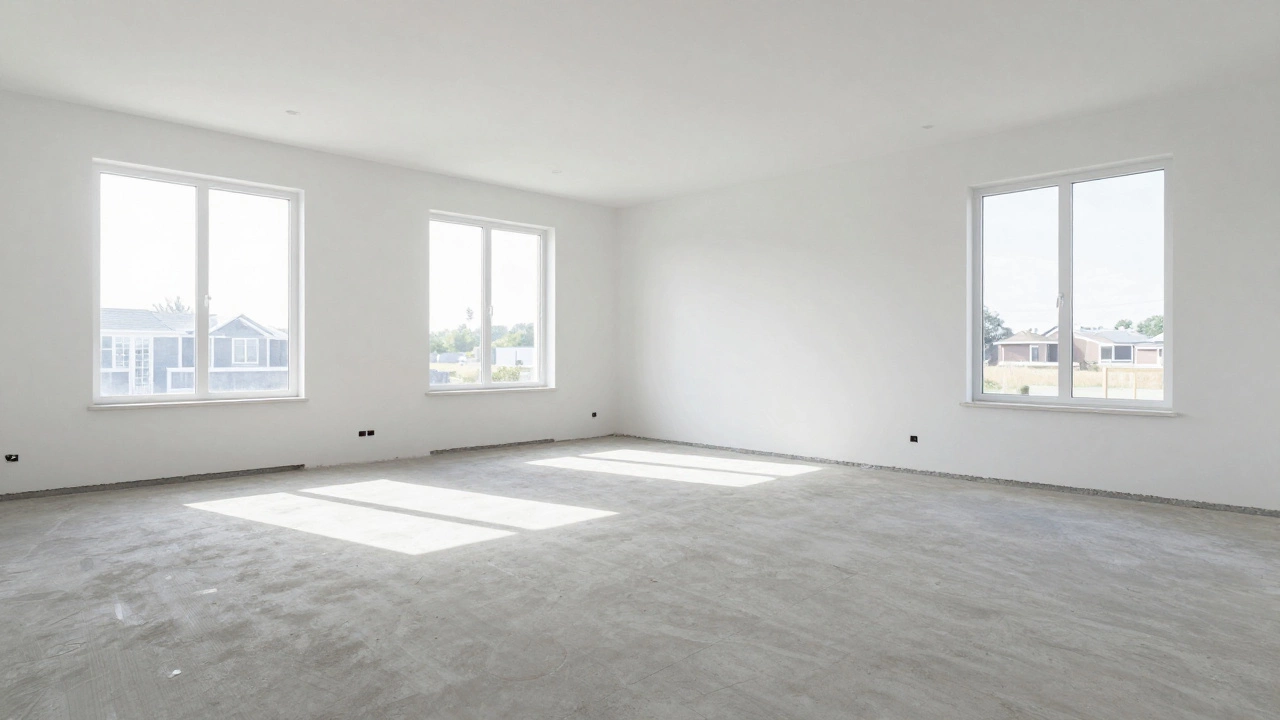
Most people assume that a 'finished' house means every square inch is ready for furniture. In reality, many developers provide a basic 'shell' or a very limited selection of new build flooring. You might find carpet in the bedrooms and a cheap laminate in the hallway, but the kitchen and dining areas? Often, those are left as bare subfloors. It's a way for builders to keep the entry price low while letting you choose the final look.
Quick Summary of Flooring Expectations
- Standard Package: Usually includes basic carpets in bedrooms and maybe a low-grade laminate in high-traffic areas.
- The Gaps: Kitchens, bathrooms, and utility rooms are frequently left as bare concrete or plywood.
- Upgrades: You can often pay for 'premium' options during the build process via the developer's design center.
- Post-Completion: Many buyers choose to rip out the builder's basic carpet immediately to install higher-quality materials.
The 'Standard Specification' Trap
When you're browsing brochures, you'll see stunning photos of homes with polished hardwood and marble tiles. Be careful. Those are almost always 'show homes' designed to sell a dream. In the actual contract, you'll see a section called the Standard Specification. This is the legally binding list of what is actually included.
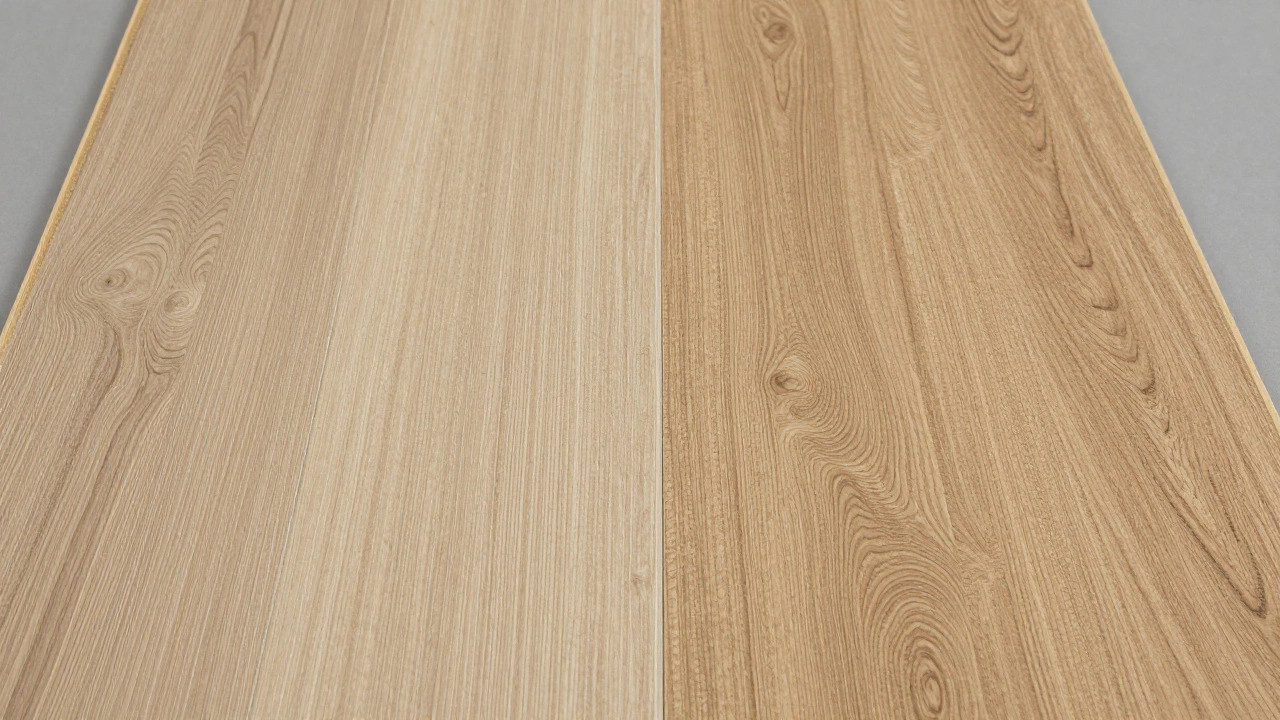
If the spec says "carpet tiles in bedrooms," don't expect plush wool. If it says "vinyl in kitchen," expect a thin sheet of plastic that might peel in three years. The goal for the developer is cost-efficiency. By using Laminate Flooring-which is essentially pressed sawdust with a photographic image of wood on top-they save thousands per unit compared to solid wood.
Have you checked your contract for the phrase "floor finishes"? If it's vague, you're likely getting the bare minimum. Some builders use a "credit" system where they give you a budget (say, $5,000) to spend on flooring. If you pick something expensive, you pay the difference. If you pick the cheapest option, they keep the change.
Common Flooring Materials in New Constructions
Depending on the budget of the development, you'll encounter a few common players. Understanding the difference between them helps you decide if you should stick with the builder's choice or spend your own money to upgrade.
| Material | Durability | Cost Level | Typical Use Case |
|---|---|---|---|
| Standard Carpet | Low | Budget | Bedrooms, Stairs |
| Laminate | Medium | Mid-Range | Living Rooms, Hallways |
| Luxury Vinyl Tile (LVT) | High | Premium | Kitchens, Bathrooms |
| Engineered Hardwood | High | Luxury | Open Plan Living |
Many homeowners now opt for Luxury Vinyl Tile (LVT) because it mimics wood or stone but is waterproof. Builders rarely include this as standard because the material cost and installation time are higher than basic vinyl sheets. If you have kids or pets, spending the extra money here is a lifesaver compared to the standard builder's grade laminate which scratches if you even look at it wrong.
The Big Debate: Upgrade Now or Do It Later?
You'll be faced with a choice: pay the builder to upgrade your floors before you move in, or do it yourself after the keys are handed over. This is where most new homeowners make a costly mistake.
Upgrading through the builder is convenient. You walk into a finished house. However, builders often charge a massive premium for these upgrades. A floor that costs $4 per square foot at a retail store might be billed at $8 per square foot through the developer. They are charging you for the convenience of not having to manage the contractor yourself.
On the flip side, doing it later means living in a construction zone while you're trying to settle in. You'll have to move furniture, deal with dust, and find a reliable Flooring Contractor. But here is the pro tip: if you're planning to replace the carpets anyway, don't let the builder install them. Some developers will give you a credit if you opt for "bare floors," which saves you from paying for a carpet you're just going to throw away in six months.
Hidden Risks and the "Settle-In" Period
There is a technical reason why some experts suggest waiting to install high-end flooring in a new build: House Settlement. A new building is literally settling into the ground. As the timber dries and the foundation shifts slightly, small cracks can appear in rigid flooring like large ceramic tiles or hardwood.
If you install expensive, rigid flooring on day one, you might see a crack in your beautiful kitchen tiles by year two. This is why many builders use flexible materials like laminate or carpet-they can handle the slight movement of the structure without breaking. If you're determined to go for a high-end, rigid finish, consider waiting a year to let the house settle first.
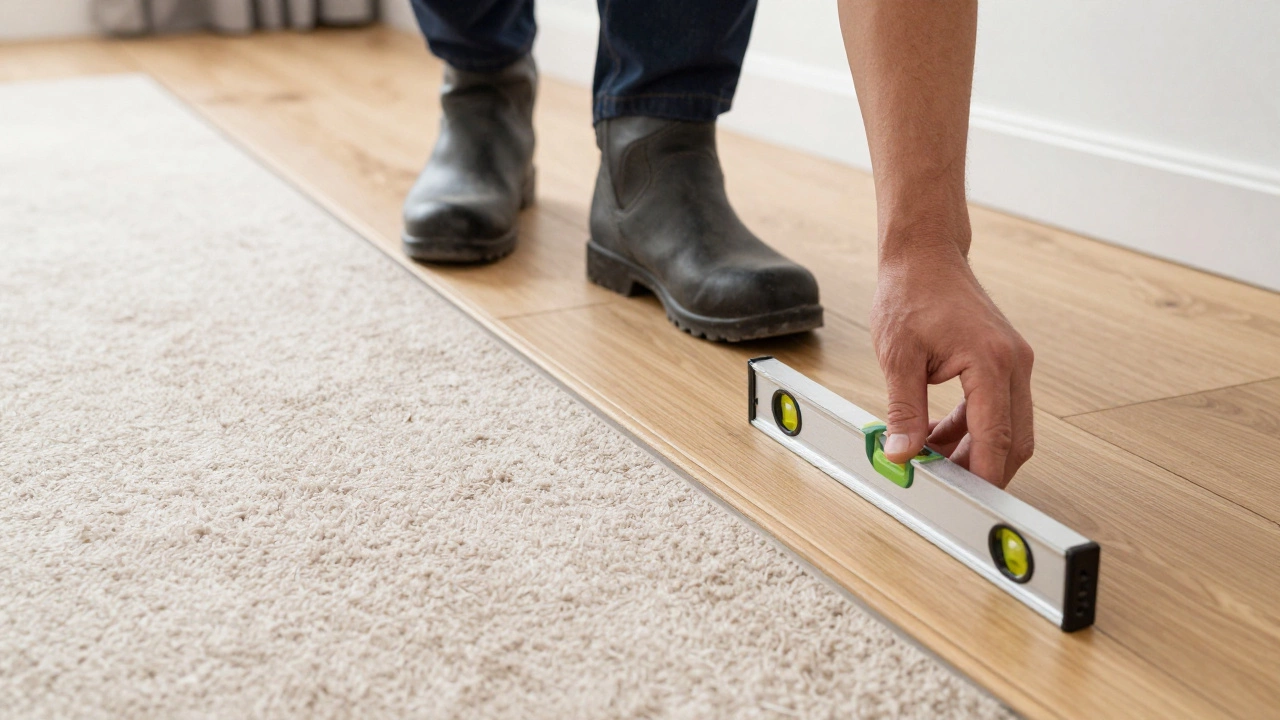
Another risk is the subfloor quality. Sometimes, builders rush the Concrete Slab pour, leaving it uneven. If you lay expensive flooring over an unlevel surface, you'll feel a "bounce" in the floor or see gaps in the planks. Always check that the subfloor is properly leveled before any material is laid down.
Checklist for Your Final Walkthrough
Before you sign off on the house, you need to inspect the flooring with a critical eye. Don't let the smell of new paint distract you. Use this list to make sure you aren't getting cheated.
- Check the Transitions: Look at the strips where the carpet meets the laminate. Are they flush, or will you trip over them?
- Inspect the Edges: Check the perimeter of the rooms. Are there gaps between the flooring and the skirting boards?
- Test for Hollow Spots: Walk across the floors. If you hear a hollow sound, the underlay might be missing or the subfloor is uneven.
- Verify Material: Ensure the builder actually installed the "Oak Effect" laminate you paid for, and not a cheaper substitute.
- Moisture Check: In bathrooms, ensure the vinyl is sealed properly around the toilet and shower to prevent water from seeping into the subfloor.
Managing Your Flooring Budget
If you find out you're getting bare concrete, don't panic. It's actually an opportunity to customize your home without the builder's markup. But it requires a strategy. Most people underestimate the cost of flooring because they forget about the Underlay and the labor.
A good rule of thumb is to budget for the material cost, then add 30% for installation and 10% for waste (cuts and mistakes). For example, if your chosen hardwood is $500 per room, actually set aside $700. It's better to have a surplus than to run out of planks halfway through the living room and find out the batch color has changed at the store.
Consider a phased approach. Prioritize the "public" areas-the kitchen and living room-where you'll spend the most time. Bedrooms can stay as basic carpet for a while, or you can upgrade them one by one as your budget allows. This prevents the "new home debt' trap where you spend all your savings on the house and have no money left for furniture.
Will the builder put flooring in the kitchen as standard?
It depends on the developer. Some include a basic vinyl sheet, while others leave it as a bare concrete slab. You must check the "Standard Specification" document in your contract to be sure.
Is it better to upgrade flooring through the builder or do it myself?
Doing it yourself is usually cheaper and gives you more quality options. However, doing it through the builder is more convenient as the house is move-in ready. Be aware that builders often charge a premium for upgrades.
Can I ask the builder not to put carpet in so I can install my own?
Yes, some developers allow this and may even provide a credit. However, some have strict rules and insist on installing their standard flooring to maintain the home's warranty or appearance during the final handover.
What is the best flooring for a new build home?
Luxury Vinyl Tile (LVT) is highly recommended for new builds because it is durable, waterproof, and flexible enough to handle the initial settlement of the house without cracking.
Do I need a special underlay for new build floors?
Yes, especially if you have a concrete slab. You'll need a DPM (Damp Proof Membrane) or a high-quality foam underlay to prevent moisture from rising through the floor and ruining your laminate or wood.
Next Steps and Troubleshooting
If you've just signed your contract and realized the flooring is minimal, start by creating a "Floor Map." Mark every room and decide which needs durability (LVT) and which needs comfort (Carpet). If you find the floors are uneven during your walkthrough, don't accept the keys until the builder agrees to a "self-leveling compound" application. It's much easier to get them to fix a bumpy floor before you move in than to rip up your own expensive flooring later to fix a builder's mistake.
Author
Damon Blackwood
I'm a seasoned consultant in the services industry, focusing primarily on project management and operational efficiency. I have a passion for writing about construction trends, exploring innovative techniques, and the impact of technology on traditional building practices. My work involves collaborating with construction firms to optimize their operations, ensuring they meet the industry's evolving demands. Through my writing, I aim to educate and inspire professionals in the construction field, sharing valuable insights and practical advice to enhance their projects.