New Construction Flooring: What You Need to Know Before You Build
When you’re building a new home, new construction flooring, the base layer and finished surface installed during building, not added later. It’s not just about looks—it’s about structure, moisture control, and long-term value. Many homeowners focus on color and style, but skip the basics: subflooring, moisture barriers, and expansion gaps. These aren’t optional. Skip them, and you’ll be dealing with warped planks, creaks, or mold within a year.
subflooring, the structural layer beneath the finished floor, typically made of plywood or OSB. It’s what holds everything up. In new builds, it’s often installed before walls go up, so if it’s wet, uneven, or poorly fastened, every floor above it suffers. Then there’s floor installation, the process of laying the final surface—hardwood, laminate, tile, or vinyl—over the subfloor. Timing matters. Install too early, and you risk damage from tradespeople walking on it. Wait too long, and you delay inspections and move-in dates. The best builds schedule flooring last, after plumbing, electrical, and drywall are done.
Most new builds use engineered wood or luxury vinyl because they handle moisture better than solid hardwood. Tile is great for kitchens and bathrooms but needs a perfectly level subfloor—otherwise, cracks show up fast. Laminate is cheap and easy, but if the underlayment isn’t thick enough, every step sounds like a drum. And don’t forget moisture barriers, a plastic or foil layer between the concrete slab and subfloor. In damp climates or basements, skipping this is like leaving your house open to rain. One builder in New Zealand found 70% of flooring complaints in new homes came from missing or thin moisture barriers.
What you get in a new build? Often, just the basics. The builder might include vinyl plank flooring in living areas, but upgrades like solid oak, heated floors, or custom tile are extra. Check your contract. Some builders list flooring as "standard" but only cover a low-grade option. You might think you’re getting hardwood, but it’s actually a thin veneer over particleboard. Know the difference before you sign.
And here’s the thing: flooring settles. New homes shift in the first six months. That’s why you shouldn’t install baseboards or finish trim too early. If you do, you’ll see gaps or cracks where the floor moves. Wait. Let the house breathe. Let the wood dry. Let the concrete cure. Then install your floors right.
Below, you’ll find real breakdowns of what’s included in new builds, how much flooring actually costs, which materials last, and the mistakes most people make when choosing floors for a new home. No fluff. Just what works—and what doesn’t.
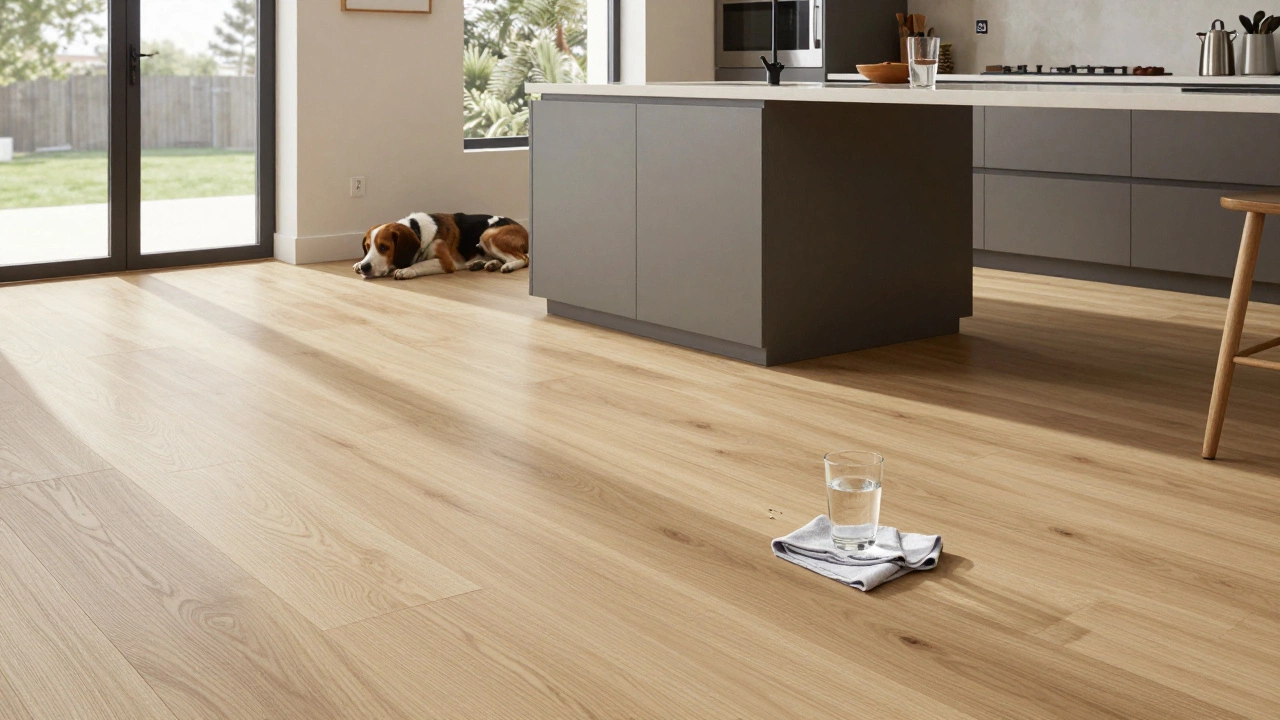
What Is the Best Flooring for a New Build? Top Choices for Durability, Cost, and Comfort
Dec 1, 2025, Posted by Damon Blackwood
The best flooring for a new build balances durability, cost, and comfort. LVP leads for kitchens and basements, hardwood adds value in living areas, and tile wins in bathrooms. Choose by room, not by trend.
MORESEARCH HERE
Categories
TAGS
- foundation repair
- commercial construction
- construction
- new builds
- home improvement
- home renovation
- bathroom renovation
- construction materials
- residential construction
- building materials
- building codes
- home foundation
- building types
- renovation tips
- foundation cracks
- architectural services
- construction differences
- contractor
- home construction
- structural damage