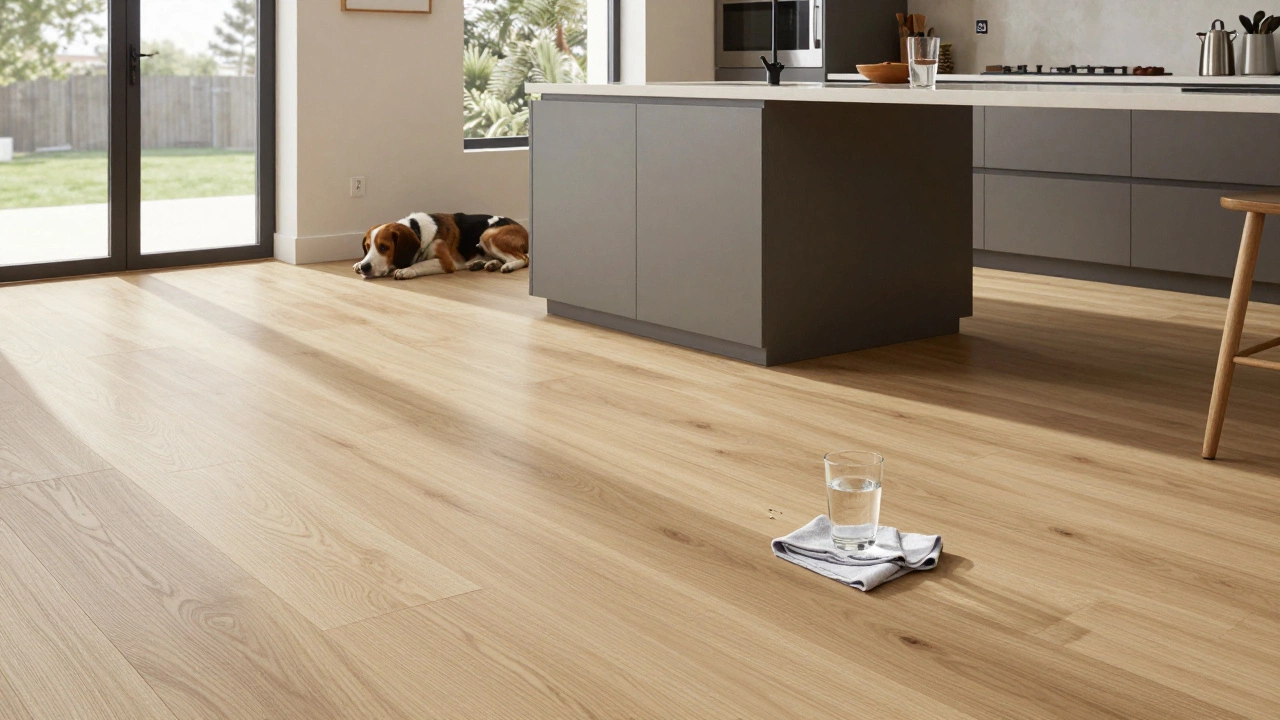
When you’re building a new home, the flooring you pick isn’t just about looks-it affects how long the house lasts, how much it costs to maintain, and how comfortable it feels underfoot every day. You won’t regret spending time on this decision. The wrong floor can crack, warp, or look worn out in just a few years. The right one? It’ll hold up through kids, pets, and decades of life.
Hardwood: Classic, But Not Always Practical
Hardwood floors are still the top choice for many new builds. They add warmth, increase resale value, and look great in living rooms, hallways, and bedrooms. But they’re not perfect for every room.
Real hardwood-like oak, maple, or walnut-can be sanded and refinished multiple times, which means it can last 50 to 100 years if cared for. That’s a huge plus. But it’s also sensitive to moisture. Basements? Avoid it. Bathrooms? Skip it. Even high humidity in kitchens can cause warping over time.
Engineered hardwood solves some of these issues. It has a real wood top layer bonded to plywood underneath, making it more stable in changing humidity. It’s a better fit for basements and areas with temperature swings. Still, it can’t be refinished as many times as solid wood. Most types can handle 1 to 3 sandings before the top layer wears through.
Luxury Vinyl Plank (LVP): The New Favorite
If you want the look of wood or stone without the hassle, luxury vinyl plank (LVP) is the most popular choice for new builds today. It’s waterproof, scratch-resistant, and easy to install. Many builders now use it in kitchens, bathrooms, laundry rooms, and even basements-places where hardwood would fail.
LVP mimics real wood grain and stone texture so well that most guests won’t know the difference. High-end versions have embossed textures and beveled edges that look and feel like real hardwood. Some even come with attached underlayment, which cuts down on noise and makes installation faster.
It’s also one of the most affordable options. You can get quality LVP for $3 to $7 per square foot installed. Compare that to hardwood, which runs $8 to $14 per square foot. And unlike hardwood, LVP won’t need refinishing. Just sweep and mop. It’s ideal for families with kids or pets.
Tile: Tough, Timeless, and Cold
Tile-especially porcelain-is the go-to for bathrooms, entryways, and kitchens. It’s completely waterproof, resists stains, and doesn’t harbor allergens. That’s why it’s a top pick for new builds in humid climates or homes with allergy sufferers.
Porcelain tile is denser and less porous than ceramic, making it more durable and better for high-traffic areas. It can handle heavy furniture, rolling carts, and even dog paws without scratching. It’s also fireproof and won’t fade in sunlight.
The downside? It’s cold underfoot. If you live in a colder climate, you’ll want radiant floor heating installed underneath. That adds $5 to $10 per square foot to the cost. Tile is also harder to walk on for long periods, which can be tough if you’re standing at the kitchen counter all day.
Grout lines can stain over time, so sealed grout is a must. Some builders now use epoxy grout or large-format tiles with minimal grout lines to reduce maintenance.
Engineered Bamboo: Sustainable and Stylish
If you’re looking for an eco-friendly option that still feels like hardwood, engineered bamboo is worth considering. Bamboo grows faster than traditional hardwood trees-some types mature in just 3 to 5 years. That makes it a renewable resource.
It’s harder than many hardwoods, like cherry or pine, and holds up well to foot traffic. It’s also more stable than solid wood, so it’s better for areas with moderate moisture, like living rooms and bedrooms. But it’s not waterproof. Spills left uncleaned can cause swelling or discoloration.
Quality varies a lot. Some bamboo floors use low-quality adhesives that off-gas VOCs. Look for floors certified by the Forest Stewardship Council (FSC) and with CARB Phase 2 compliance to ensure low emissions. Prices range from $5 to $9 per square foot installed.
Carpet: Soft, Quiet, But High Maintenance
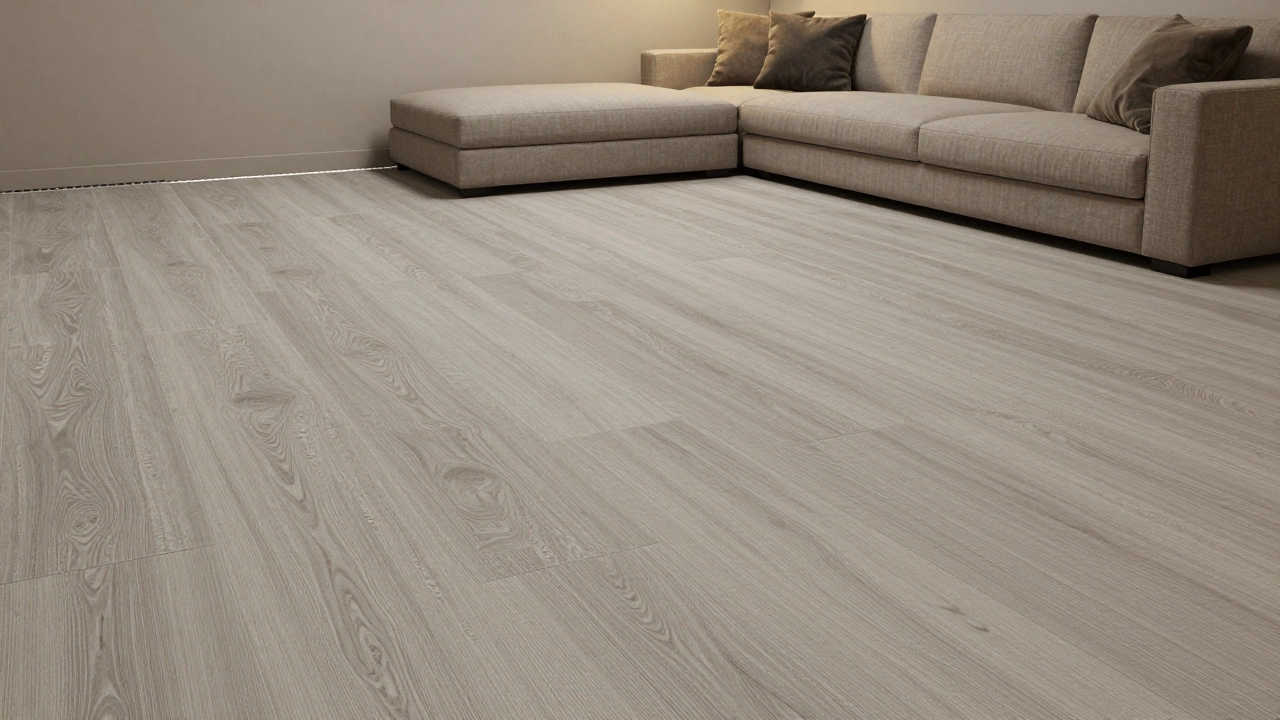
Carpet still has its place in new builds-mainly in bedrooms and upstairs hallways. It’s the softest option underfoot, reduces noise between floors, and adds warmth in colder rooms.
Modern carpets are much better than the shaggy, stain-prone versions from the 90s. Look for nylon or polyester fibers with stain-resistant treatments. Some come with built-in moisture barriers and antimicrobial backing, which helps with allergies and mold.
But carpet doesn’t last as long as hard surfaces. Even high-end carpet typically needs replacing every 8 to 12 years. Pet accidents, spills, and heavy foot traffic wear it down fast. It’s also harder to clean than tile or LVP. Vacuuming isn’t enough-you’ll need professional cleaning every year or two.
For new builds, carpet is best reserved for quiet, low-traffic areas. Avoid it in kitchens, bathrooms, mudrooms, and entryways.
How to Choose Based on Room
There’s no single “best” flooring for a whole house. The right choice depends on the room.
- Kitchen: LVP or porcelain tile. Both are waterproof and easy to clean. LVP is warmer underfoot; tile lasts longer.
- Bathroom: Porcelain tile. It’s the only flooring that won’t warp or rot with constant moisture.
- Living Room: Hardwood or LVP. Hardwood adds value and elegance; LVP is more forgiving with pets and spills.
- Bedroom: Carpet or engineered hardwood. Carpet is cozy; hardwood is easier to clean and lasts longer.
- Basement: LVP or luxury vinyl tile (LVT). Avoid solid hardwood-basements have higher humidity.
- Entryway: Porcelain tile. It handles dirt, snow, and wet boots better than anything else.
Cost Comparison: What You’ll Really Pay
Here’s a realistic breakdown of installed costs per square foot (as of 2025):
| Flooring Type | Low End | High End | Typical Lifespan |
|---|---|---|---|
| Luxury Vinyl Plank (LVP) | $3 | $7 | 15-25 years |
| Engineered Hardwood | $6 | $12 | 25-50 years |
| Porcelain Tile | $5 | $15 | 50+ years |
| Engineered Bamboo | $5 | $9 | 20-30 years |
| Carpet | $4 | $10 | 8-12 years |
Don’t forget to factor in underlayment, removal of old flooring, and subfloor prep. These can add $1 to $3 per square foot. Some builders include these in the quote-others don’t. Always ask.
What Builders Recommend
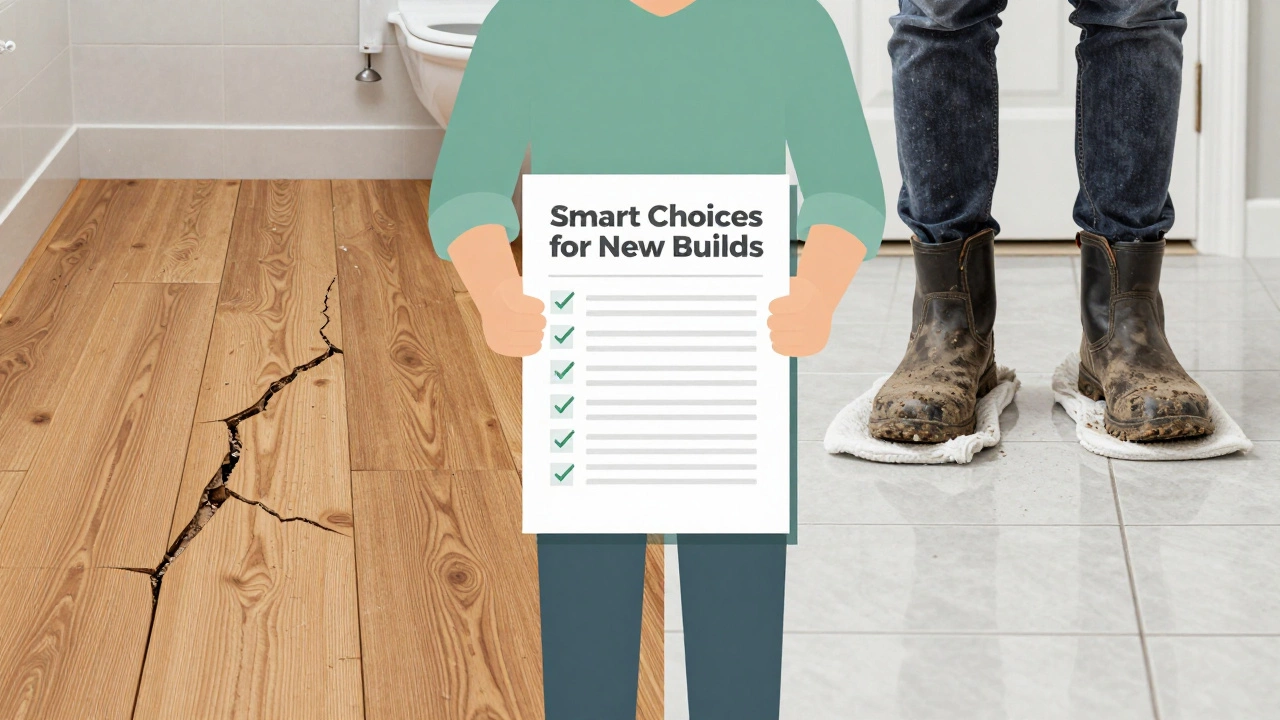
Most custom home builders today use a mix of materials. They’ll install LVP in kitchens, bathrooms, and basements. Hardwood or engineered wood in living areas and bedrooms. Tile in entryways and powder rooms. Carpet only in upstairs bedrooms.
Why? Because it balances cost, durability, and comfort. You don’t need hardwood everywhere. You don’t need tile in the bedroom. The goal is to match the material to the room’s use-not to make every floor look the same.
Also, many builders now offer flooring upgrades as part of their package. You might get a $5,000 credit if you choose LVP instead of hardwood. That’s worth asking about.
What to Avoid
- Solid hardwood in basements or bathrooms-it will warp.
- Low-quality LVP with thin wear layers-under 0.3mm wears out fast.
- Unsealed grout in tile-it stains and grows mold.
- Carpet in high-moisture areas-it traps allergens and smells.
- Glue-down vinyl over concrete without a vapor barrier-it can bubble or peel.
Always check the warranty. Good LVP comes with 20- to 30-year residential warranties. Hardwood warranties vary-look for at least 25 years. Tile should have a lifetime warranty on the tile itself.
Final Tip: Think Long-Term
When you’re building a new home, you’re not just buying flooring-you’re investing in 20, 30, even 50 years of daily life. The cheapest option now might cost you more later in repairs, replacements, or lost resale value.
LVP gives you the best mix of affordability, durability, and realism. Hardwood gives you timeless appeal and long-term value. Tile gives you unmatched longevity in wet areas.
Choose based on how you live-not just how you want your house to look.
Is LVP really better than hardwood for new builds?
For most new builds, yes. LVP is waterproof, easier to install, more affordable, and holds up better to pets and spills. Hardwood looks nicer and adds more resale value, but it’s not practical in kitchens, bathrooms, or basements. LVP gives you the look of wood without the risk.
Can I install hardwood in a basement?
Avoid solid hardwood in basements-it will warp from moisture. Engineered hardwood can work if the basement is properly sealed and has a dehumidifier. But even then, LVP is a safer, more reliable choice.
What’s the most durable flooring for a home with pets?
Luxury vinyl plank (LVP) with a thick wear layer (0.5mm or more) is the most durable. It resists scratches from claws, doesn’t stain from accidents, and is easy to clean. Porcelain tile is also tough, but it’s harder and colder underfoot.
Should I get carpet in my new home?
Only in bedrooms or quiet upstairs hallways. Carpet traps dust, allergens, and odors. It’s also harder to clean than hard surfaces. If you want comfort, choose a high-quality nylon carpet with a stain guard and a moisture barrier backing. Avoid it everywhere else.
How long does tile flooring last in a new build?
Porcelain tile can last 50 to 100 years if installed correctly. The tile itself rarely wears out. The grout is the weak point-it can crack or stain over time. Sealed grout and proper installation are key to making it last.
Is bamboo flooring a good choice for new construction?
Yes, if you choose high-quality engineered bamboo with FSC certification and low-VOC adhesives. It’s durable, sustainable, and looks like hardwood. But it’s not waterproof, so avoid it in bathrooms or kitchens. It’s best in living areas and bedrooms.
Author
Damon Blackwood
I'm a seasoned consultant in the services industry, focusing primarily on project management and operational efficiency. I have a passion for writing about construction trends, exploring innovative techniques, and the impact of technology on traditional building practices. My work involves collaborating with construction firms to optimize their operations, ensuring they meet the industry's evolving demands. Through my writing, I aim to educate and inspire professionals in the construction field, sharing valuable insights and practical advice to enhance their projects.