Foundation Repair Cost & Method Estimator
Project Parameters
Repair Options Analysis
Enter your home details and click "Estimate Costs" to see analysis.
Your house is sinking. Or maybe the cracks in your walls are getting wider every week. You’ve called a contractor, and they used words like "structural integrity" or "differential settlement." Now you’re staring at a quote that looks like a car payment, wondering if this is just cosmetic patchwork or something serious. The short answer? If your home needs more than epoxy injection or surface sealing, you are looking at major foundation repair.
Distinguishing between minor maintenance and major structural intervention saves you thousands of dollars and prevents safety hazards. Minor issues involve hairline cracks and slight settling. Major repairs address the actual support system of the house-lifting, stabilizing, and re-leveling the structure using heavy machinery and deep-ground engineering.
The Line Between Cosmetic and Structural Damage
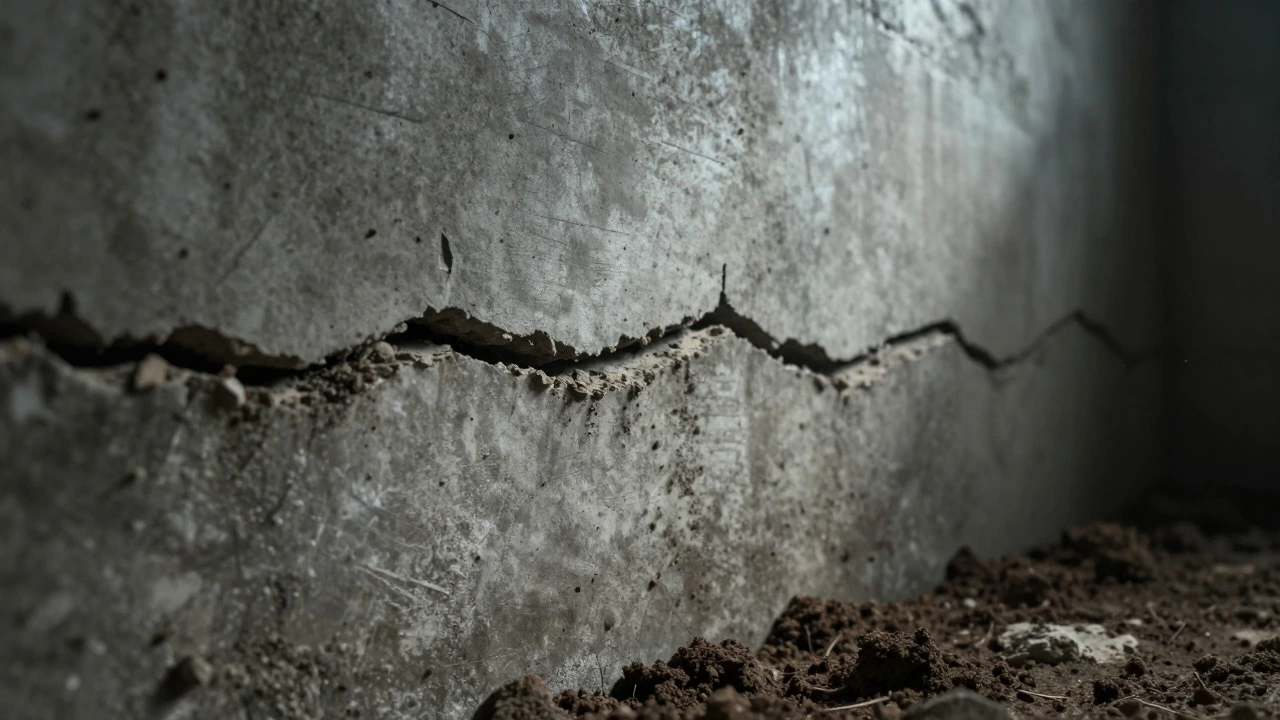
Most homeowners panic when they see a crack. But not all cracks are created equal. To determine if you need major repair, look at the geometry and location of the damage. Horizontal cracks in basement walls usually indicate hydrostatic pressure from soil pushing against the foundation. This is often a precursor to wall collapse and requires major intervention, such as carbon fiber straps or steel I-beams.
Vertical cracks are common during the curing process of concrete. However, if a vertical crack is wider than 1/4 inch, or if one side is higher than the other (indicating shifting), it signals differential settlement. This means parts of your foundation are sinking faster than others. When the gap exceeds half an inch, you are likely dealing with a structural failure that demands piers or underpinning.
Door frames that stick consistently, even after adjusting hinges, and floors that slope noticeably toward the center of the room are classic signs. These aren't just annoyances; they are symptoms of a foundation losing its level plane. If you can roll a marble across your floor and it picks up speed, your foundation has tilted enough to warrant a professional structural engineer’s assessment, not just a handyman’s opinion.
Common Methods for Major Foundation Repair
When the diagnosis confirms structural compromise, contractors deploy specific techniques designed to transfer the weight of the house to stable soil layers. These methods are invasive, expensive, and permanent. They are not DIY projects.
| Method | Best For | Cost Range (USD) | Invasiveness |
|---|---|---|---|
| Steel Push Piers | Heavy homes, clay soils, significant sinking | $1,500 - $3,000 per pier | High (requires hydraulic jacks) |
| Helical Piers | New construction, light structures, limited access | $1,200 - $2,500 per pier | Medium (screwed into ground) |
| Slab Jacking (Mudjacking) | Sunken concrete slabs, driveways, sidewalks | $3 - $6 per square foot | Low (drilling small holes) |
| Wall Anchors/Ties | Bowing basement walls, horizontal cracks | $300 - $800 per anchor | Medium (interior/exterior work) |
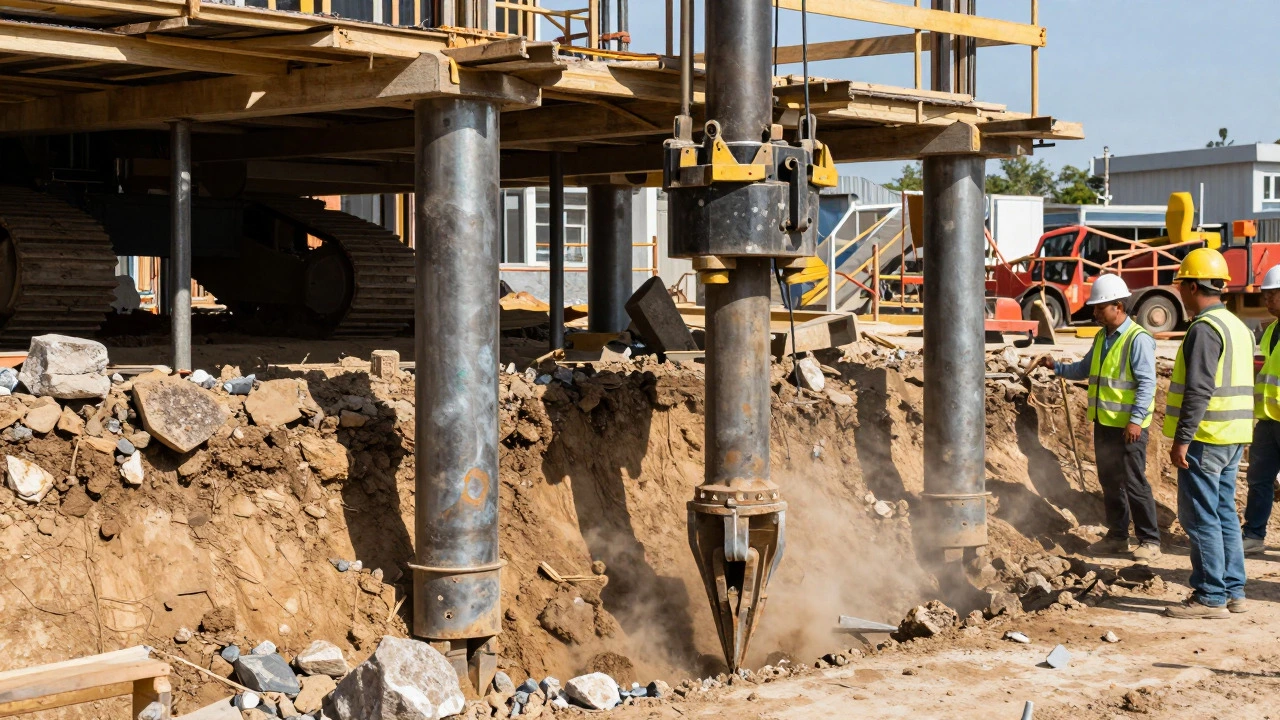
Steel push piers are the gold standard for lifting settled foundations. Contractors drill through the foundation footing and drive steel pipes into the earth until they hit bedrock or load-bearing soil. Hydraulic jacks then lift the house back to level. This method supports massive loads but requires excavation around the perimeter.
Helical piers, on the other hand, look like giant screws. They are twisted into the ground, providing immediate stability without the vibration of driving piles. They are ideal for areas with poor soil conditions or where noise and vibration must be minimized. Both systems effectively transfer the building's dead load away from unstable topsoil.
Why Soil Conditions Dictate the Repair Strategy
You cannot fix a foundation without understanding the ground beneath it. In regions like Wellington, New Zealand, or parts of the American South, expansive clay soils are the primary culprit. These soils swell when wet and shrink when dry, creating a constant cycle of movement. A foundation built on reactive clay will always move slightly. Major repair aims to stabilize the structure against these movements, not stop them entirely.
If your property has high water tables or poor drainage, water management becomes part of the major repair scope. Simply installing piers won't help if hydrostatic pressure continues to push against basement walls. Comprehensive solutions often include exterior waterproofing membranes, French drains, and sump pump installations. Ignoring the water source leads to recurring damage, rendering the structural repairs useless within a few years.
Geotechnical engineers often perform soil borings to determine the depth of competent soil. This data dictates how long the piers need to be. A pier that stops in loose sand will fail. It must reach dense gravel or bedrock. This is why quotes vary wildly based on location-even two houses on the same street may require different depths of stabilization due to micro-variations in subsurface geology.
The Financial Impact: Cost vs. Value
Major foundation repair is rarely cheap. Average costs range from $5,000 to $25,000, depending on the severity and method. Some extensive projects exceed $50,000. Homeowners often ask if this investment pays off. From a resale perspective, a repaired foundation with a transferable warranty is far more valuable than an unrepaired one with visible defects. Real estate agents know that buyers will walk away from a home with known structural issues unless the price reflects the risk.
However, the cost isn't just about market value. It’s about insurability. Many insurance policies exclude pre-existing foundation damage. If you suffer a catastrophic failure after ignoring warning signs, you may find yourself paying out of pocket for total loss. Proactive major repair preserves your asset and keeps your insurance premiums stable. Additionally, some lenders require a structural inspection before approving renovation loans, making repair a prerequisite for further investment.
Tax implications also play a role. In many jurisdictions, major foundation repairs are considered capital improvements rather than maintenance. This means you can add the cost to the basis of your home, potentially reducing capital gains taxes when you sell. Always consult a tax professional to document these expenses properly, keeping invoices and engineer reports organized.
Choosing the Right Contractor for Structural Work
Not all foundation companies are created equal. Some specialize in cosmetic fixes, while others have the equipment and engineering partnerships for major structural work. Look for contractors who provide a detailed engineering report, not just a sales pitch. A reputable company will hire an independent structural engineer to assess the problem before proposing a solution. Avoid firms that offer both the engineering assessment and the repair contract without third-party verification, as conflicts of interest can lead to over-engineered or unnecessary repairs.
Check for licenses and insurance specifically covering structural work. General liability insurance is standard, but you need proof of workers' compensation and professional liability coverage. Ask for references from past clients with similar soil conditions and foundation types. Visit those sites if possible. Talk to the homeowners about the process, the timeline, and whether the issues returned.
Warranties are critical. Major repair warranties should be transferable to future buyers and backed by a third-party guarantor, not just the contractor’s promise. If the company goes bankrupt, a manufacturer-backed warranty ensures the piers or anchors remain covered. Read the fine print regarding what voids the warranty-often, adding new weight to the structure or altering drainage patterns can invalidate coverage.
Signs That Immediate Action Is Required
While some foundation issues develop slowly, others escalate rapidly. If you notice sudden widening of cracks, especially after heavy rain, act quickly. Water exacerbates soil instability. Other red flags include:
- Gaps appearing between walls and ceilings or floors.
- Windows that no longer open or close smoothly due to frame distortion.
- Chimneys leaning away from the house.
- Separation of additions from the main structure.
These symptoms indicate active movement. Waiting increases the risk of irreversible damage to load-bearing walls and plumbing lines. Sewer lines connected to the foundation can crack or shift, leading to sewage backups and environmental contamination. Addressing these issues promptly prevents secondary damages that compound the repair bill.
Maintenance After Major Repair
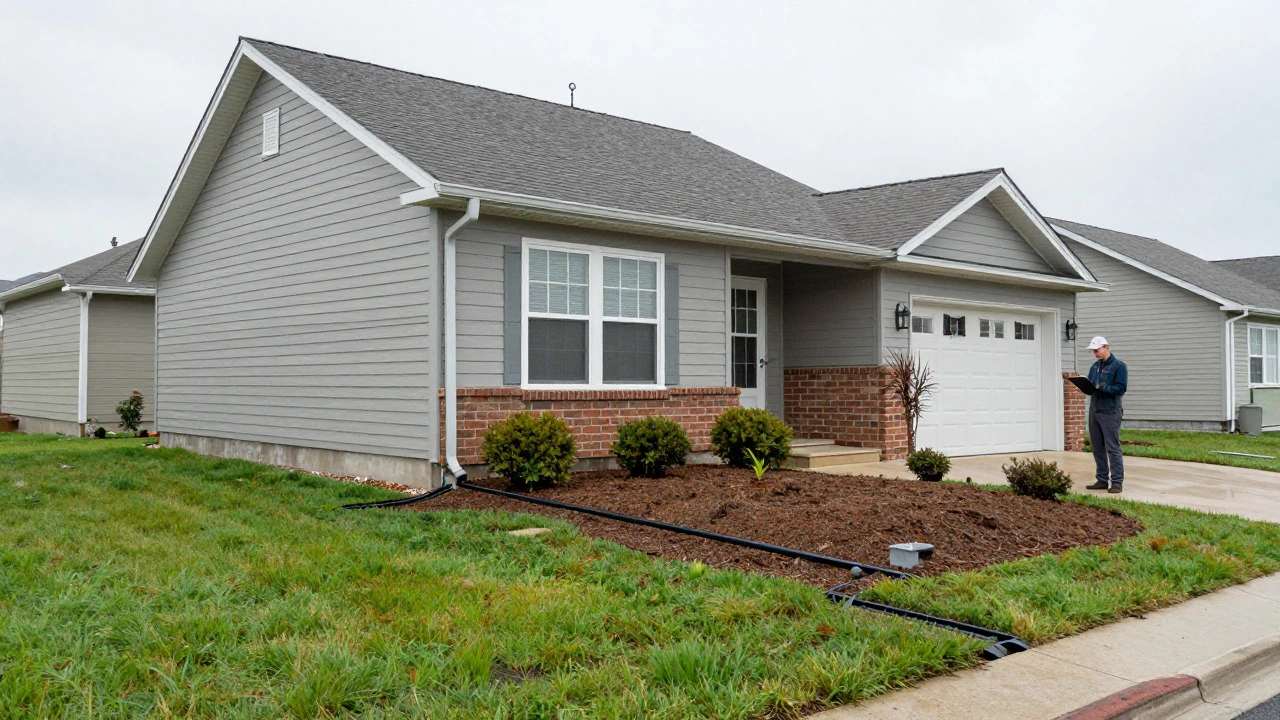
Repairing the foundation is not the end of the story. Ongoing maintenance ensures the longevity of the work. Keep gutters clean and downspouts extended at least six feet away from the house. Grade your landscaping so water flows away from the foundation, not toward it. Plant trees and large shrubs at a safe distance to prevent root intrusion and moisture extraction from the soil beneath the slab.
Monitor the interior humidity levels. Basements should be kept dry to prevent mold and reduce hydrostatic pressure. Use dehumidifiers if necessary. Annual inspections by a qualified professional can catch early signs of recurrence. While major repairs are designed to last decades, soil conditions change. Climate shifts, droughts, and extreme rainfall events can stress even stabilized foundations. Vigilance protects your investment.
How long does major foundation repair take?
Most major foundation repairs, such as installing steel push piers, take between 3 to 7 days. The timeline depends on the size of the home, accessibility, and weather conditions. Slab jaking might be completed in a single day, while complex underpinning projects with multiple stages can extend to two weeks. Delays often occur due to unforeseen soil conditions or permit requirements.
Does major foundation repair increase home value?
Yes, but indirectly. A repaired foundation removes a major objection for potential buyers. While you may not recoup 100% of the repair cost in increased appraised value, you significantly improve marketability. Homes with documented, warranted foundation repairs sell faster and closer to asking price than those with known structural defects. It transforms a liability into a neutral or positive feature.
Can I live in my house during major foundation repair?
In most cases, yes. Exterior pier installation allows you to remain inside. However, there will be noise, dust, and restricted access to certain areas. Interior work, such as wall bracing or mudjacking, may require temporary relocation for comfort and safety. Contractors typically minimize disruption by working in sections. Communicate with your team to plan around sensitive activities like sleeping or remote work.
What is the difference between helical and push piers?
Push piers are driven into the ground using hydraulic force, requiring significant impact energy. They are best for heavy structures and reaching deep bedrock. Helical piers are screwed into the soil, offering precise torque control and less vibration. They are ideal for lighter structures, new construction, or sites with limited space and noise restrictions. Both provide long-term stability when installed correctly.
Is foundation repair covered by home insurance?
Rarely. Most standard home insurance policies exclude gradual settling and wear-and-tear. Coverage typically applies only if the damage results from a sudden, covered peril, such as a sinkhole caused by underground mining or a tree falling on the house. Always review your policy’s exclusions section. Specialized endorsements or separate structural warranties may provide additional protection.
Author
Damon Blackwood
I'm a seasoned consultant in the services industry, focusing primarily on project management and operational efficiency. I have a passion for writing about construction trends, exploring innovative techniques, and the impact of technology on traditional building practices. My work involves collaborating with construction firms to optimize their operations, ensuring they meet the industry's evolving demands. Through my writing, I aim to educate and inspire professionals in the construction field, sharing valuable insights and practical advice to enhance their projects.