Foundation Health & Cost Estimator
Enter your observations below to determine the urgency of your foundation issue and get a rough budget range.
Select all conditions you have noticed:
Assessment Results
Risk Assessment
Estimated Cost
$0
Spotting the Danger Signs Early
Finding a crack in your wall can feel like a punch in the gut. You start wondering if the roof might collapse or if the house is sinking into the ground. While it is natural to worry, not every crack signals a catastrophic failure. However, ignoring the warning signs often turns a manageable repair into a major reconstruction project.
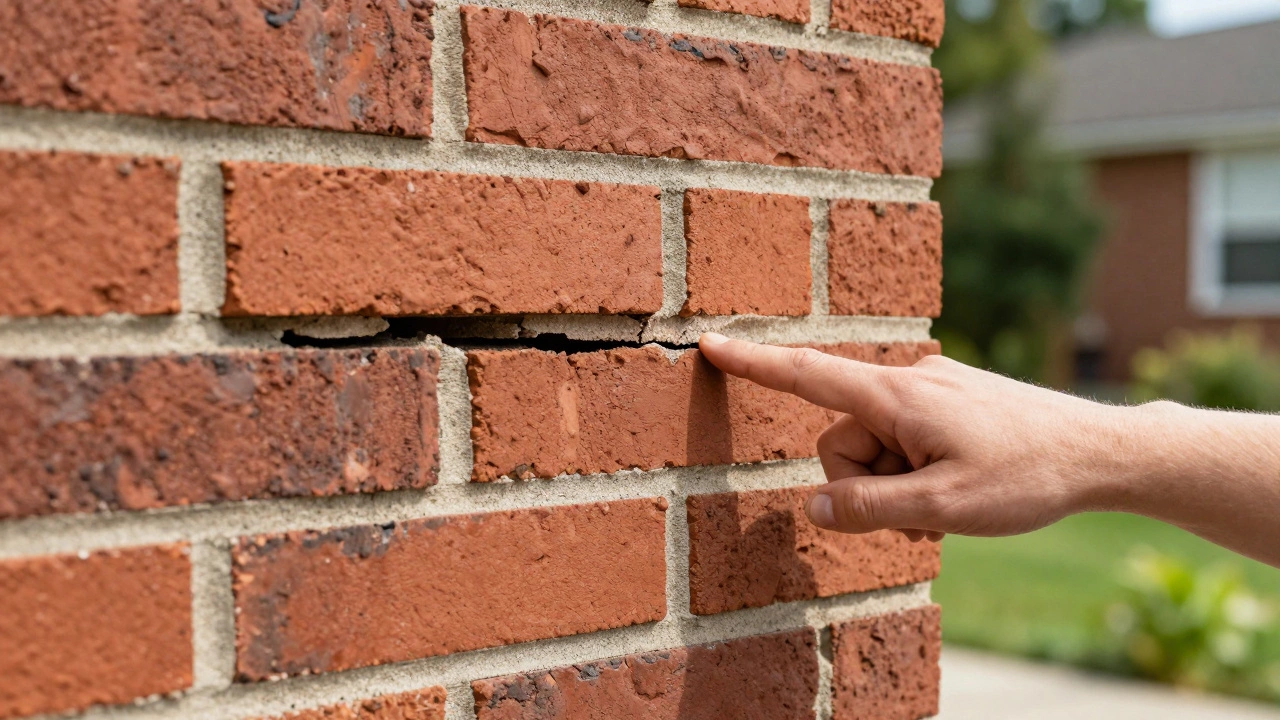
The first step is understanding what you are actually looking at. Foundation Issues occur when the underlying support of a building fails due to soil movement, water pressure, or poor construction. This instability manifests in specific ways around the perimeter of your home. You might notice horizontal stair-step cracking in brickwork rather than thin hairline cracks in drywall. If the gap between the door frame and the door gets wider at the top, the frame has likely shifted. Another clear indicator is sloping floors where a marble rolls easily from the center of the room toward the exterior walls.
Assessing Urgency and Safety First
Before calling for quotes, you must determine if anyone is in immediate danger. Most foundation settlement happens slowly over decades, allowing time for planning. However, active soil heave or sinkhole activity requires immediate action. If you hear loud cracking noises coming from the structure itself, especially at night when the house settles, leave the area until morning and consult a professional immediately.
Water plays a massive role here. If heavy rain recently preceded the appearance of new cracks, moisture might be expanding the clay soil beneath you. In these scenarios, fix your drainage before fixing the foundation. Direct water away from the base of your house using extended downspouts. Create positive grading so the dirt slopes away from the foundation by about six inches. Standing water pools near the sill plate will worsen the problem regardless of how expensive the piers are.
Why You Need a Professional Diagnosis
It is tempting to skip diagnostics and hire the first company offering a "guaranteed fix." This approach often leads to paying for unnecessary repairs or masking symptoms without addressing the root cause. Think of this like a medical exam; you wouldn't let a pharmacy sell you medicine without a doctor's prescription. Similarly, foundation work demands a structural assessment.
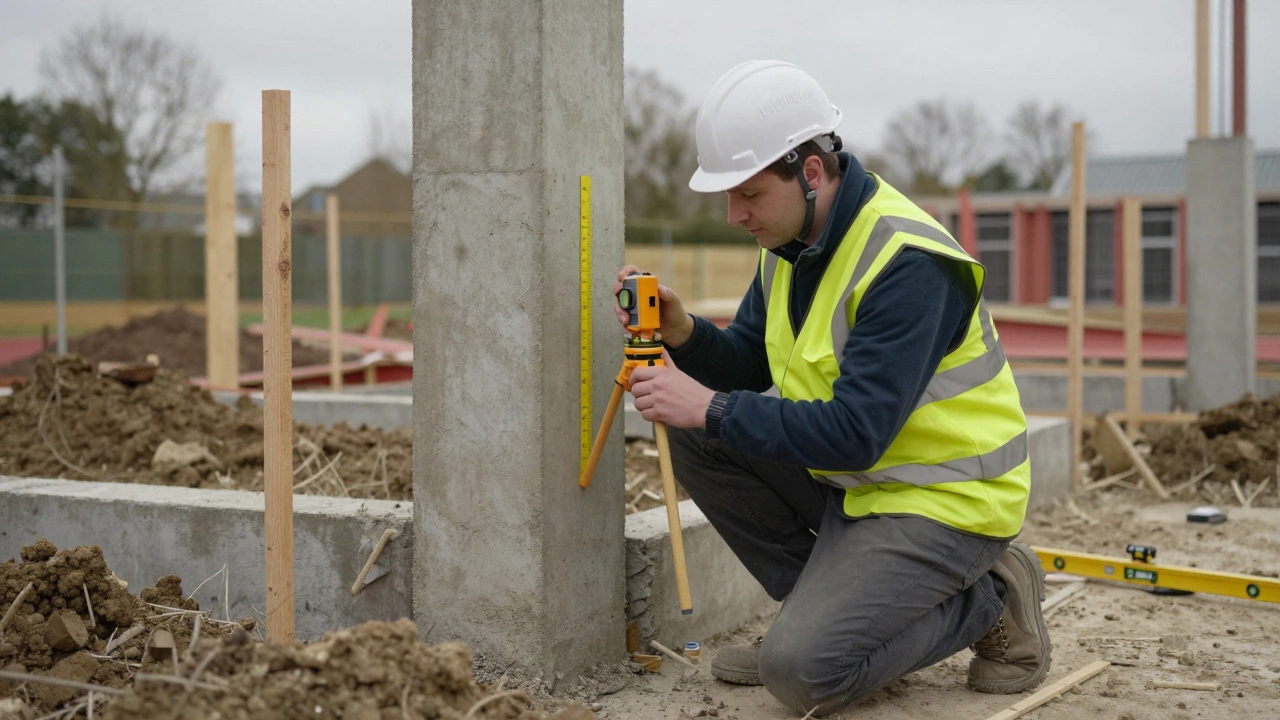
Structural Engineer is an independent licensed professional hired to inspect your property. Unlike contractors who profit from selling repair work, engineers provide unbiased assessments of stability and code compliance. They will review the history of the land, inspect soil samples, and measure active movement using crack monitors. This inspection usually costs between $300 and $800 depending on the size of the home, but it pays off quickly during insurance claims. An engineer’s report carries weight with insurers and future buyers, proving the issue was professionally evaluated.
Common Repair Solutions Explained
Once you have a plan, you need to understand the actual work being proposed. There is no single magic bullet for every home. The solution depends heavily on soil type, local building codes, and the severity of the displacement. Here are the most frequent methods used in residential repair today:
| Method | Best Used For | Average Lifespan | Typical Cost |
|---|---|---|---|
| Steel Push Piers | Sinking foundations needing lift | 10+ Years | $100-$300 per foot |
| Helical Piles | Lightweight additions or expansive soil | Indefinite | $800-$1,500 per unit |
| Mudjacking | Sunken concrete slabs or driveways | 3-10 Years | $500-$3,000 total |
| Carbon Fiber Straps | Bowing basement walls | Permanent | $1,000-$4,000 per wall |
Push Piers involve driving steel beams deep into the ground until they reach stable bedrock or load-bearing soil. Resistance Piles. These physically lift the foundation back into place and transfer the load to deeper layers. This is often the gold standard for homes settling into clay-heavy regions. On the other hand, Mudjacking pumps a cement mixture under sunken concrete to raise it. A lower-cost temporary fix ideal for sidewalks and driveways rather than structural home walls. This method uses less invasive drilling but may not hold up as long as steel piers.
Navigating Costs and Financing
Pricing is rarely uniform because every soil condition and home layout differs. In the current market, a simple repair might range from $5,000 to $15,000, while extensive underpinning can exceed $50,000. Always request three detailed quotes. Ask specifically about warranty coverage. Does the warranty cover labor only, or does it include materials? Crucially, ask if the warranty transfers to a new owner. This protection adds significant value if you decide to sell later.
Payment structures vary widely. Some reputable companies offer financing plans that split payments over months. Be wary of providers demanding 100% upfront cash. Reputable firms usually require a deposit to mobilize equipment but balance the rest upon inspection completion or staged milestones. If the numbers seem surprisingly low compared to others, proceed with extreme caution. Cheap repairs often use undersized steel or shallow depths, causing failure within five years.
Insurance Claims and Coverage
Many homeowners wonder if their policy covers this disaster. Generally, standard policies cover sudden damage caused by external events, like a tree falling on your yard and shifting the soil. However, gradual settling over time is typically excluded as it falls under maintenance. Flood insurance specifically covers water damage but not foundation settlement unless the flood was violent enough to displace earth.
To strengthen your claim, gather photos of the interior and exterior dated clearly. If you had previous leaks repaired, keep those receipts. A letter from your engineer stating the damage resulted from a sudden event (like recent heavy rains) helps immensely. If you live in areas prone to landslides or sinkholes, check if those were covered endorsements on your policy years ago.
Preventing Future Issues
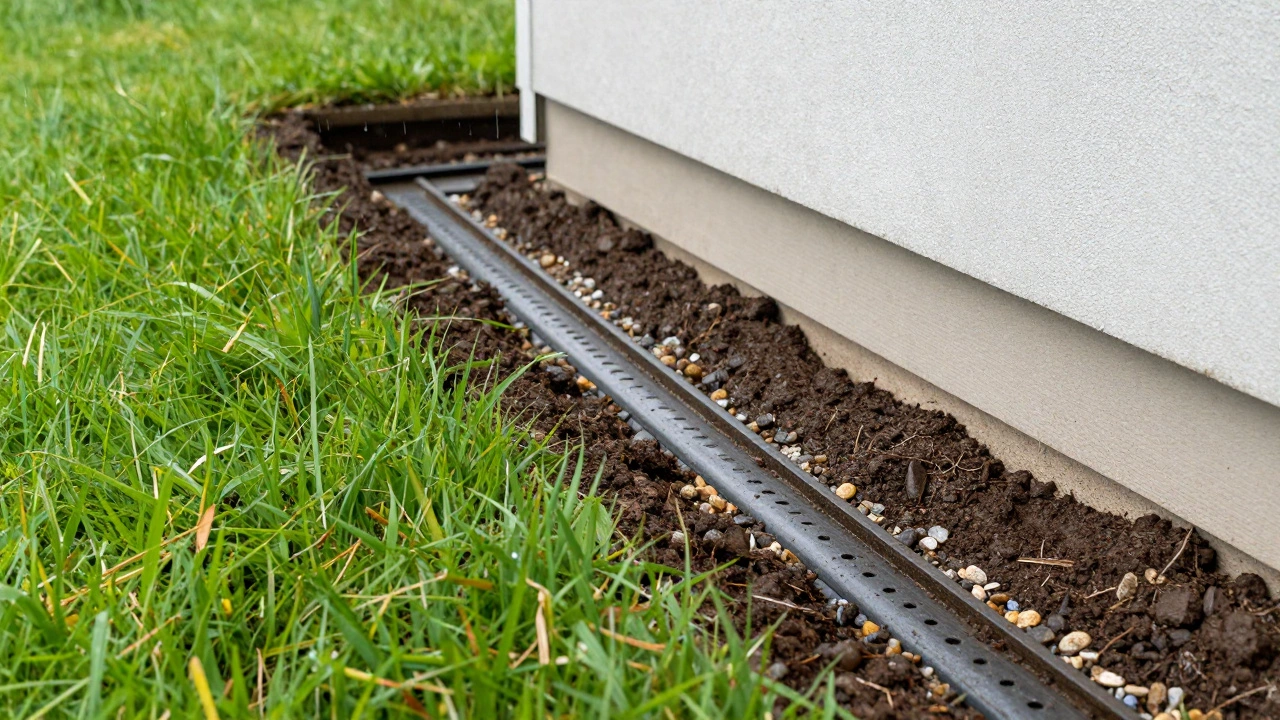
Even after the repair is done, maintaining the site prevents recurrence. Install French Drains along the perimeter if your yard naturally funnels water toward the slab. A trench filled with gravel and pipe that redirects groundwater safely away from the structure. Plant trees at least ten feet away from the foundation. Large roots drink massive amounts of moisture from the subsoil, causing the ground to shrink and pull away from the footings. Regularly inspect the grade level seasonally, especially after snow melts or intense summer heatwaves.
How do I know if my house is sinking?
Look for gaps in drywall above windows, doors that won't latch properly, and visible separation where the floor meets the baseboards. Outside, check for wide gaps between the siding and the bottom corner boards.
Can I fix foundation problems myself?
Superficial cosmetic cracks can be patched with caulk, but structural issues require professional engineering. DIY attempts to lift a home often cause irreparable damage and void warranties.
Is it worth repairing or just move out?
Unless the cost exceeds 20% of the home's value or the damage compromises safety significantly, repair is usually cheaper than buying a new home with similar risks. Stabilizing the structure protects your equity.
How long does foundation repair take?
Most repairs are completed within 2 to 5 days once excavation begins. Larger projects involving crawl spaces or multiple levels may extend over two weeks depending on weather conditions.
Will fixing the foundation increase home value?
Yes, documented repairs with transferable warranties add confidence for buyers. A disclosed, fixed foundation is far better than hidden structural flaws uncovered during an inspection.
Author
Damon Blackwood
I'm a seasoned consultant in the services industry, focusing primarily on project management and operational efficiency. I have a passion for writing about construction trends, exploring innovative techniques, and the impact of technology on traditional building practices. My work involves collaborating with construction firms to optimize their operations, ensuring they meet the industry's evolving demands. Through my writing, I aim to educate and inspire professionals in the construction field, sharing valuable insights and practical advice to enhance their projects.