Foundation Repair Cost Estimator
Step 1: Assess Your Situation
Step 2: Choose Repair Method
Select the method recommended by your engineer or that you wish to estimate.
Slab Jacking
Pumping grout/foam under slabs. Best for minor settling or driveways.
Temporary FixHelical Piers
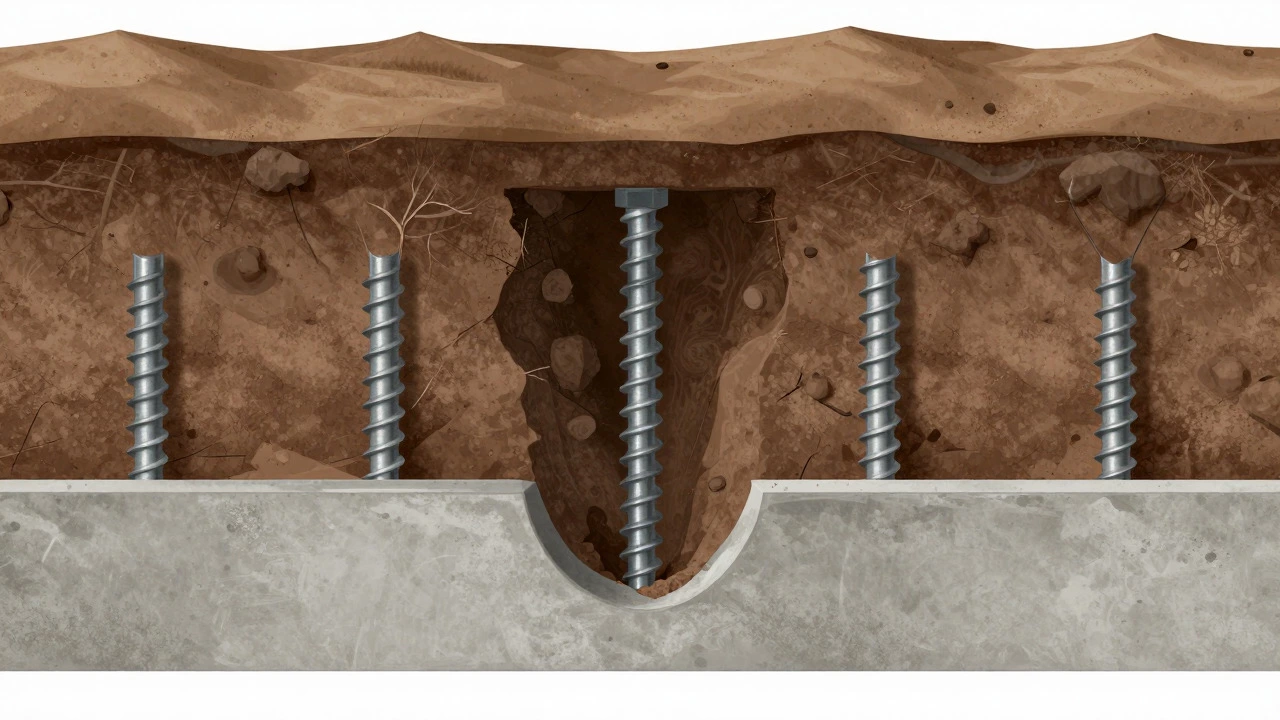
Steel shafts screwed into bedrock. Permanent structural stabilization.
Lifetime SolutionEstimated Cost Range
HELIICAL PIERS ESTIMATE
Breakdown:
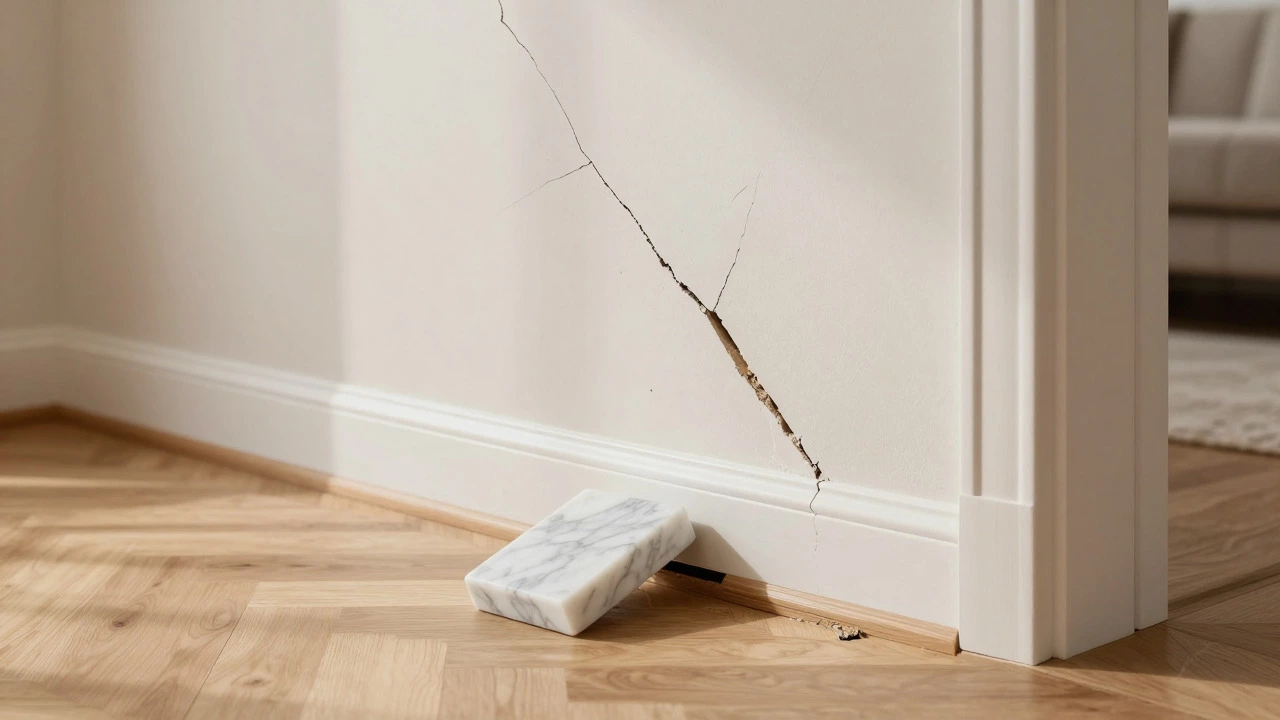
Imagine standing in your living room and noticing a crack that wasn't there last year. It’s not just a hairline fracture in the plaster; it runs through the drywall, stops at the doorframe, and seems to be getting wider every week. You feel a slight tilt when you walk across the floor. Panic sets in. Is your house sinking? Do you need to sell immediately? Or is there a fix?
The short answer is yes, foundation repair really works. But it is not magic. It is engineering. When done correctly by professionals who understand soil mechanics and structural load, these repairs can stabilize a home for decades. When done poorly-or when the wrong method is chosen-they are a waste of money that leaves you with the same problems, only more expensive.
Understanding Why Foundations Fail
To know if a repair will work, you first have to know what broke. A foundation isn't just concrete sitting on dirt. It is a complex interaction between the weight of your home and the ground beneath it. In places like Wellington, New Zealand, or many parts of the United States, the soil plays the villain role most often.
Clay soils are notorious for this. They expand when wet and shrink when dry. This cycle of swelling and shrinking creates voids under your foundation. As the soil shrinks away from the concrete, the foundation loses support and settles. This settlement causes cracks, sticking doors, and uneven floors. Other causes include poor drainage, tree roots sucking moisture from the soil, or even construction errors where the footings weren't dug deep enough to reach stable bedrock.
If the cause is ongoing-like a leaking pipe washing away soil under your basement wall-repairing the structure without fixing the water issue is pointless. The repair will fail because the root cause remains active. That is why the first step in any successful foundation project is a thorough inspection to identify the source of the movement.
Common Methods and How They Actually Work
There is no single "fix" for all foundations. Contractors use different tools depending on the type of foundation (slab vs. crawl space vs. basement) and the severity of the damage. Here are the most common methods and what they actually do.
| Method | Best For | How It Works | Lifespan Expectancy |
|---|---|---|---|
| Slab Jacking | Minor settling of concrete slabs (driveways, patios, interior floors) | Drilling holes and pumping grout or foam underneath to lift the slab back into place. | 5-10 years (can settle again) |
| Helical Piers | Structural stabilization of houses with significant settlement | Screwing steel shafts deep into the ground until they hit load-bearing soil or bedrock. | Lifetime (if installed correctly) |
| Push Piers | Heavy structures requiring deep support | Hydraulically pushing steel pipes into the ground using the weight of the house itself. | Lifetime |
| Wall Anchors | Bowing or leaning basement walls | Anchoring the inside of the wall to a plate outside the house to counteract soil pressure. | Lifetime |
Slab jacking is often misunderstood as a permanent fix for homes. It is great for driveways and sidewalks. For a house, however, it is usually temporary. It lifts the concrete, but it doesn't add new support. If the soil continues to shift, the slab will sink again. Think of it as putting a bandage on a broken bone without setting it.
Helical piers and push piers are different. These systems transfer the weight of your home from the unstable surface soil down to deeper, stable layers of earth or bedrock. Once the house is supported by these steel columns, the movement stops. This is considered a permanent structural solution. The key here is depth. If the piers aren't driven deep enough to reach competent soil, they won't hold.
Signs That Repair Is Necessary (and Urgent)
You don't need to wait for your house to collapse to call a pro. Early intervention saves money. Small cracks can become major structural failures if ignored. Look for these specific warning signs:
- Diagonal Cracks: Cracks in drywall that start at the corners of windows or doors and run diagonally up or down. Horizontal cracks in basement walls are even more concerning, indicating bowing.
- Sticking Doors and Windows: If your doors suddenly stick or won't latch, the frame has likely shifted out of square. This is a classic sign of foundation movement.
- Uneven Floors: Place a marble or a ball on your floor. If it rolls consistently in one direction, your floor is sloping. A slope of more than 1 inch over 10 feet is a red flag.
- Gaps Around Windows: If you see daylight around the edges of your window frames, the structure has moved away from the glass.
- Separation of Chimney: If your chimney is pulling away from the rest of the house, it means different parts of the foundation are settling at different rates.
If you notice two or more of these signs, get an inspection. Don't ignore them hoping they'll go away. Soil movement doesn't stop on its own.
How to Choose a Reliable Contractor
The biggest risk in foundation repair isn't the technology; it's the contractor. The industry has a reputation for high-pressure sales tactics. Some companies will tell you your house is about to fall down to scare you into signing a $50,000 contract on the spot. Avoid these operators.
Here is how to vet a contractor properly:
- Get Multiple Inspections: Never rely on just one opinion. Hire a third-party structural engineer, not just a repair company. An engineer costs a few hundred dollars but provides an unbiased report on what needs to be done. The repair company sells the fix; the engineer diagnoses the problem.
- Check Licenses and Insurance: Ensure they are licensed in your state or region. Ask for proof of liability insurance and worker's compensation. If a worker gets hurt on your property, you could be liable.
- Look for Warranties: Reputable companies offer lifetime transferable warranties on their materials and labor. This protects your investment if you sell the home later. Read the fine print. Does the warranty cover the cost of re-lifting if it settles again?
- Ask About Drainage Solutions: A good contractor will address water management. If they propose repairing the foundation without fixing gutters, grading, or French drains, walk away. Water is the enemy of foundations.
Cost Considerations and ROI
Foundation repair is rarely cheap. Prices vary wildly based on location, accessibility, and the method used. In New Zealand and similar markets, minor slab jacking might cost a few thousand dollars, while installing helical piers for a whole house can range from $15,000 to $50,000 or more.
Is it worth it? Absolutely. A home with known foundation issues is very hard to sell. Many lenders will refuse to finance a house with structural defects. By repairing the foundation, you restore the marketability of your home. More importantly, you protect the safety of your family. The return on investment isn't just financial; it's peace of mind. Plus, stabilizing the foundation prevents further damage to expensive finishes like tile, hardwood floors, and cabinetry.
Maintenance Tips to Prevent Future Issues
Once your foundation is repaired, you want to keep it that way. Prevention is cheaper than cure. Follow these simple maintenance steps:
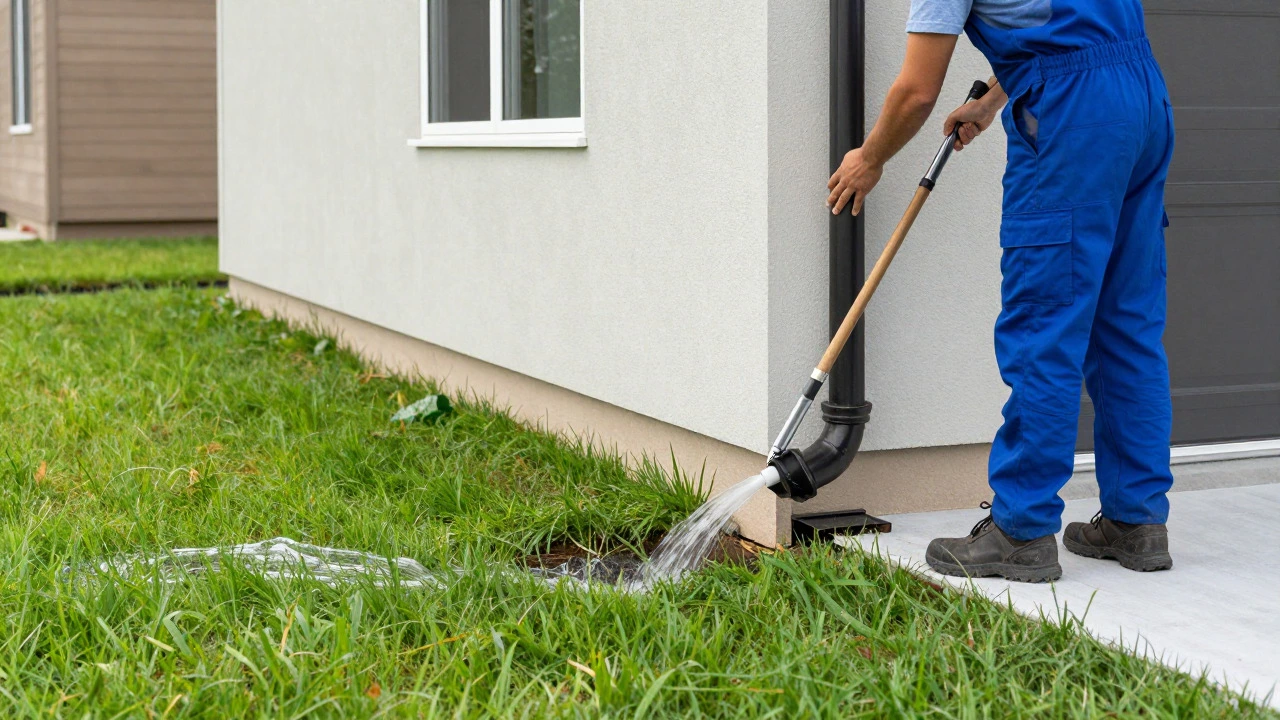
- Manage Water: Keep gutters clean and ensure downspouts direct water at least 6 feet away from your foundation. Extend them if necessary.
- Improve Grading: The ground around your house should slope away from the foundation. If water pools near your walls during rain, regrade the soil.
- Plant Trees Wisely: Large trees with extensive root systems should be planted at a safe distance from your home. Roots seek water and can dry out the soil under your foundation.
- Maintain Consistent Moisture: In dry climates, consider installing a soaker hose system around the perimeter of your home during droughts to prevent soil shrinkage.
- Monitor Cracks: Put a piece of tape over small cracks. If the tape breaks, the crack is widening, and you should call an inspector.
Conclusion: Trust the Process, Not the Hype
Does foundation repair work? Yes. But it requires the right diagnosis, the right method, and the right contractor. It is not a quick fix, and it is not always pretty. It involves digging, drilling, and heavy machinery. But the result is a stable, safe home that stands firm against the shifting earth beneath it.
Don't let fear drive your decisions. Get an independent engineer's report. Compare quotes. Ask questions. Your foundation is the backbone of your home. Treat it with respect, and it will support you for generations.
How long does foundation repair take?
The timeline depends on the complexity of the job. Slab jaking can be done in a day. Installing helical piers for a whole house might take 3 to 7 days. Weather conditions and accessibility can also affect the schedule. Always ask your contractor for a detailed timeline before starting.
Will foundation repair increase my home's value?
Yes, significantly. A home with a documented, repaired foundation is much easier to sell than one with known issues. While you may not recoup 100% of the repair cost in resale value, you avoid the steep discounts buyers demand for structural defects. It essentially restores your home to normal market value.
Can I live in my house during foundation repair?
In most cases, yes. Foundation repair is noisy and dusty, especially when drilling or driving piers, but it is generally safe to stay. However, you may need to clear out areas where equipment will be set up. If the repair involves significant interior demolition or waterproofing, you might prefer to stay elsewhere for a few days.
What is the difference between push piers and helical piers?
Both are used to stabilize foundations, but they work differently. Push piers are hydraulically forced into the ground using the weight of the house. Helical piers are screwed into the ground like a giant screw. Helical piers are often preferred in areas with loose soil or where vibration needs to be minimized, as they don't require the heavy hydraulic force of push piers.
Is foundation repair covered by homeowner's insurance?
Usually, no. Most standard homeowner's insurance policies exclude foundation damage caused by settling, soil expansion, or wear and tear. Coverage is typically only available if the damage was caused by a sudden, accidental event, like a fire or a vehicle impact. Check your specific policy details, but expect to pay out-of-pocket for most foundation repairs.
How do I know if a crack in my foundation is serious?
Hairline cracks (less than 1/8 inch) are common and often cosmetic. Cracks wider than 1/4 inch, horizontal cracks, or stair-step cracks in brick or block walls are more concerning. If the crack is growing, accompanied by sticking doors, or allows water intrusion, it is serious and requires professional evaluation.
Can I DIY foundation repair?
For minor cosmetic cracks, you can inject epoxy or polyurethane foam yourself. However, for structural issues involving lifting or stabilizing the foundation, DIY is dangerous and ineffective. You need specialized equipment and engineering knowledge to ensure the load is transferred correctly. Incorrect DIY attempts can worsen the problem.
Author
Damon Blackwood
I'm a seasoned consultant in the services industry, focusing primarily on project management and operational efficiency. I have a passion for writing about construction trends, exploring innovative techniques, and the impact of technology on traditional building practices. My work involves collaborating with construction firms to optimize their operations, ensuring they meet the industry's evolving demands. Through my writing, I aim to educate and inspire professionals in the construction field, sharing valuable insights and practical advice to enhance their projects.